July 2026

No vendor fluff. No recycled threat reports. Real guidance on vulnerability scanning, malware, and attack surface management — written by practitioners.

o

Obaida Al-Sulaiman

Information Security Manager · CISSP · CEH · OSCP

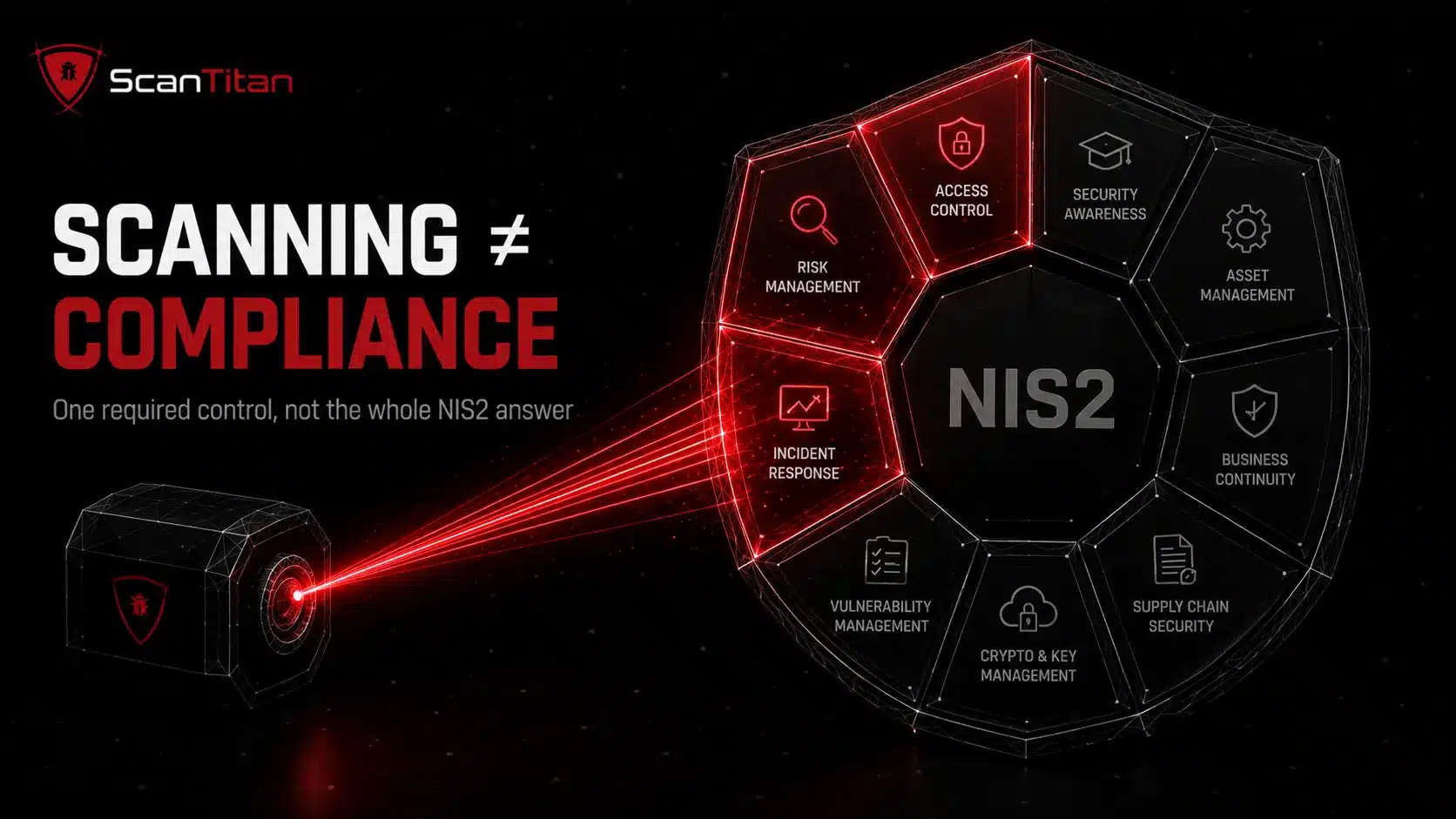
Can vulnerability scanning ensure NIS2 compliance? No, and any vendor promising otherwise is selling a false sense of safety. Vulnerability scanning is a required technical control under the NIS2 Directive (EU 2022/2555), but it satisfies only one of the ten risk-management measures in Article 21. Real compliance also demands board governance, 24-hour incident reporting, supply-chain […]
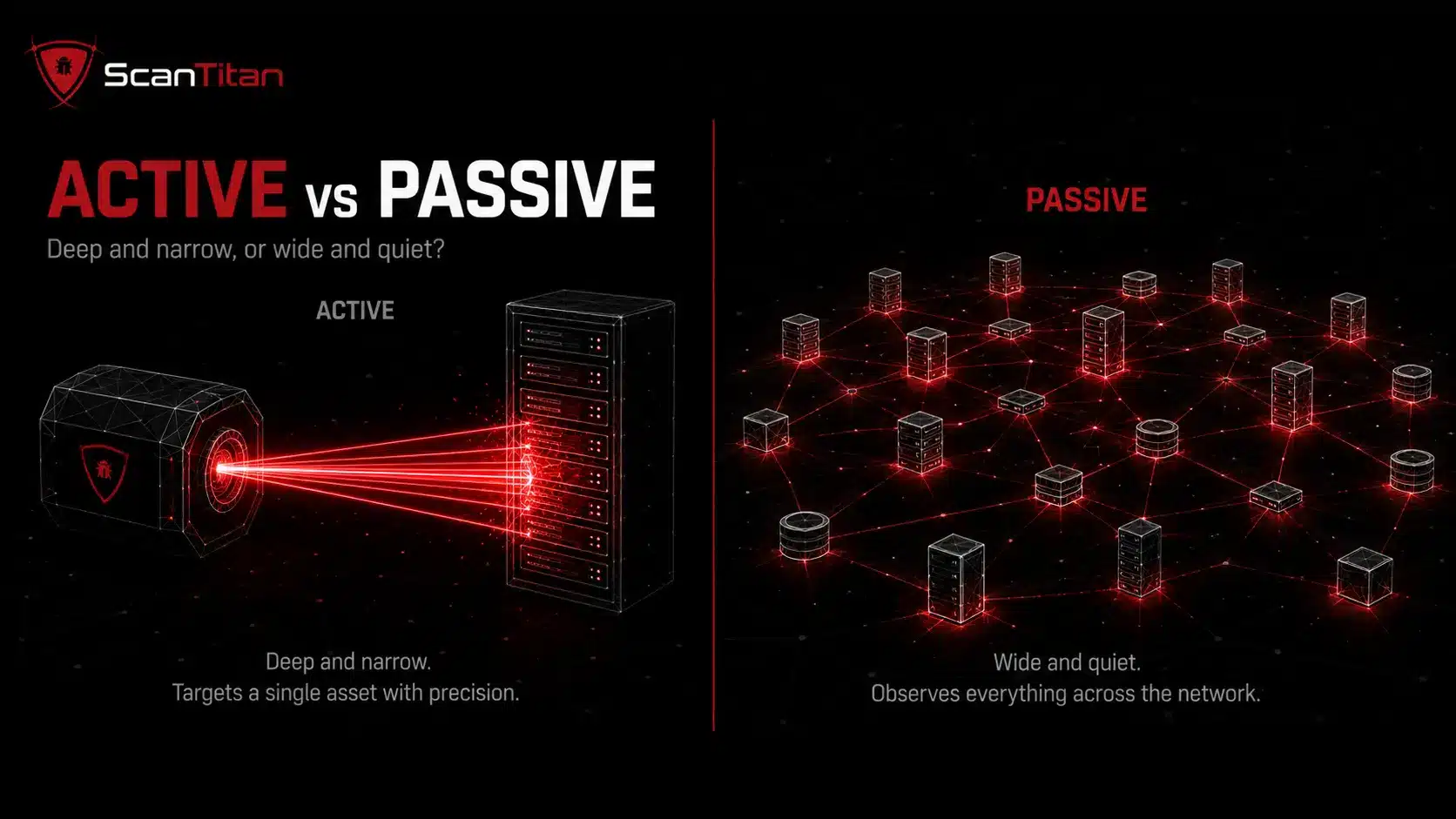
Active vs passive vulnerability scanning comes down to how the scanner looks for weaknesses. Active scanning sends probes and test traffic to your systems and reads the responses, going deep on specific assets. Passive scanning watches existing network traffic quietly, covering everything but only what the traffic reveals. One is a foot wide and a […]
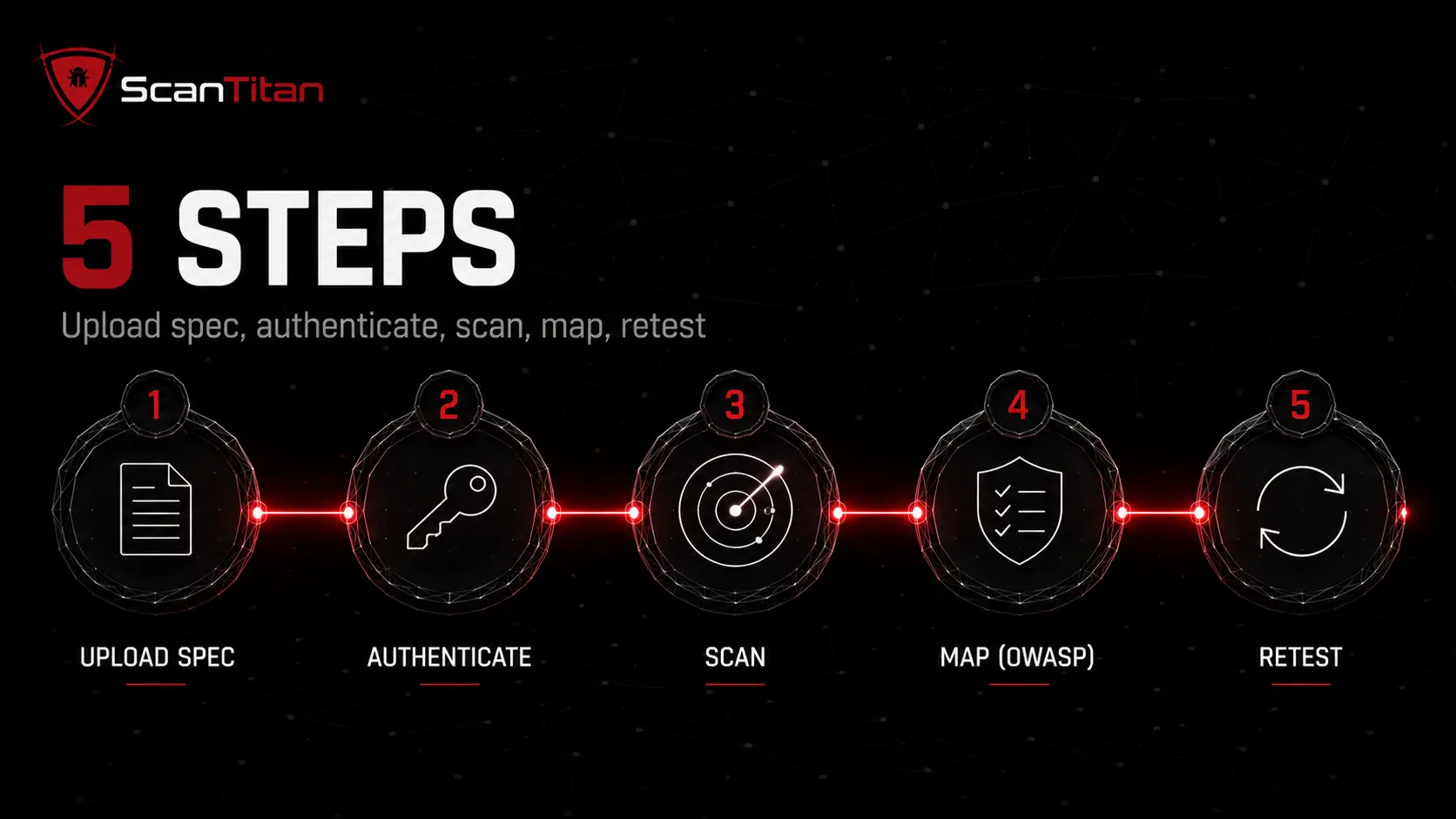
To scan an API for vulnerabilities, you discover every endpoint, feed the scanner an OpenAPI or Swagger definition, authenticate it with the right API key, OAuth, or JWT token, run active and passive tests, then map each finding to the OWASP API Security Top 10 and retest after the fix. APIs cannot be crawled like […]
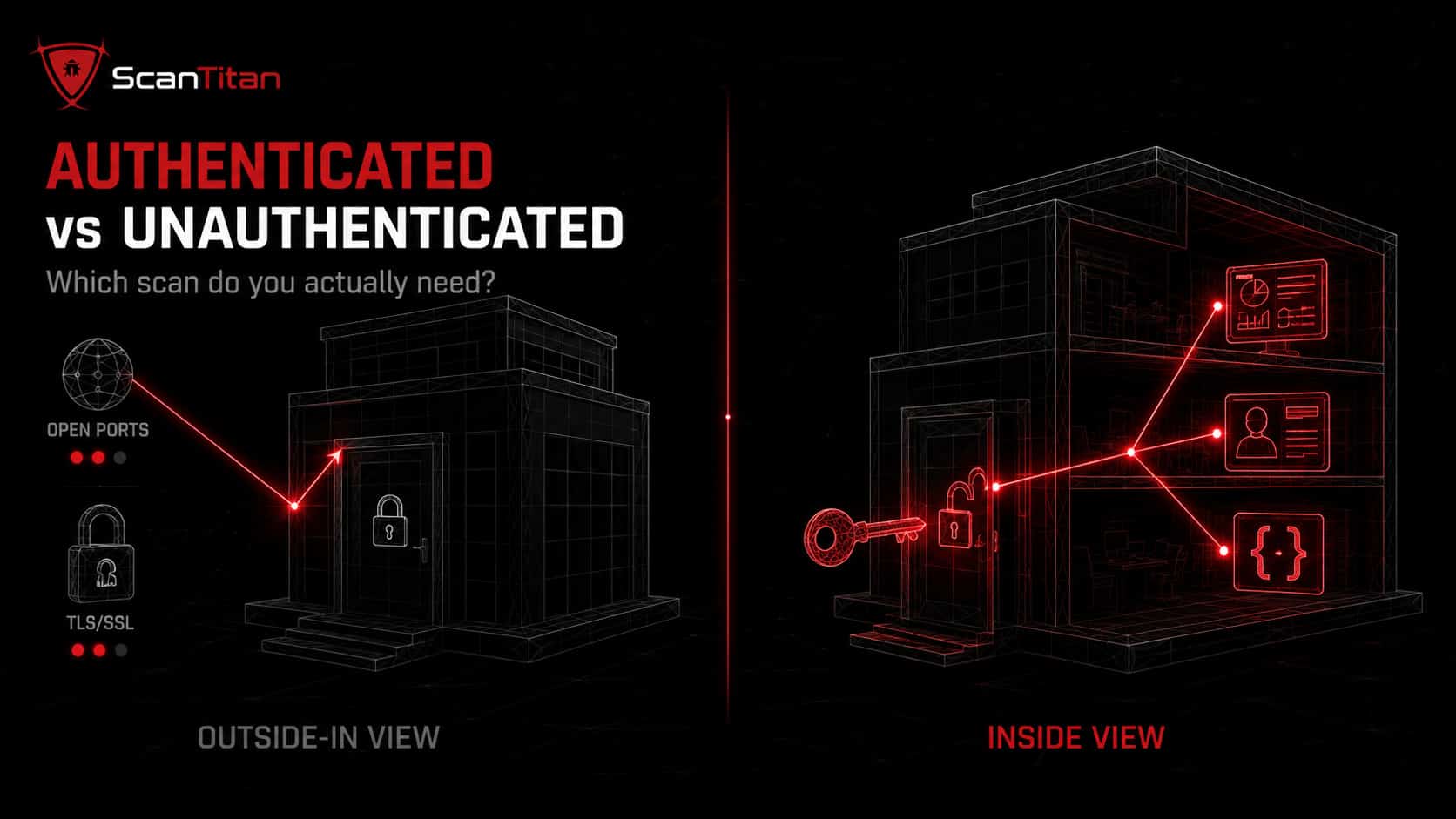
The difference between an authenticated scan and an unauthenticated scan comes down to one thing: whether the scanner logs in. An unauthenticated scan probes your system from the outside like an anonymous attacker; an authenticated scan uses valid credentials to inspect what sits behind the login. Authenticated scanning finds far more, but unauthenticated scanning shows […]
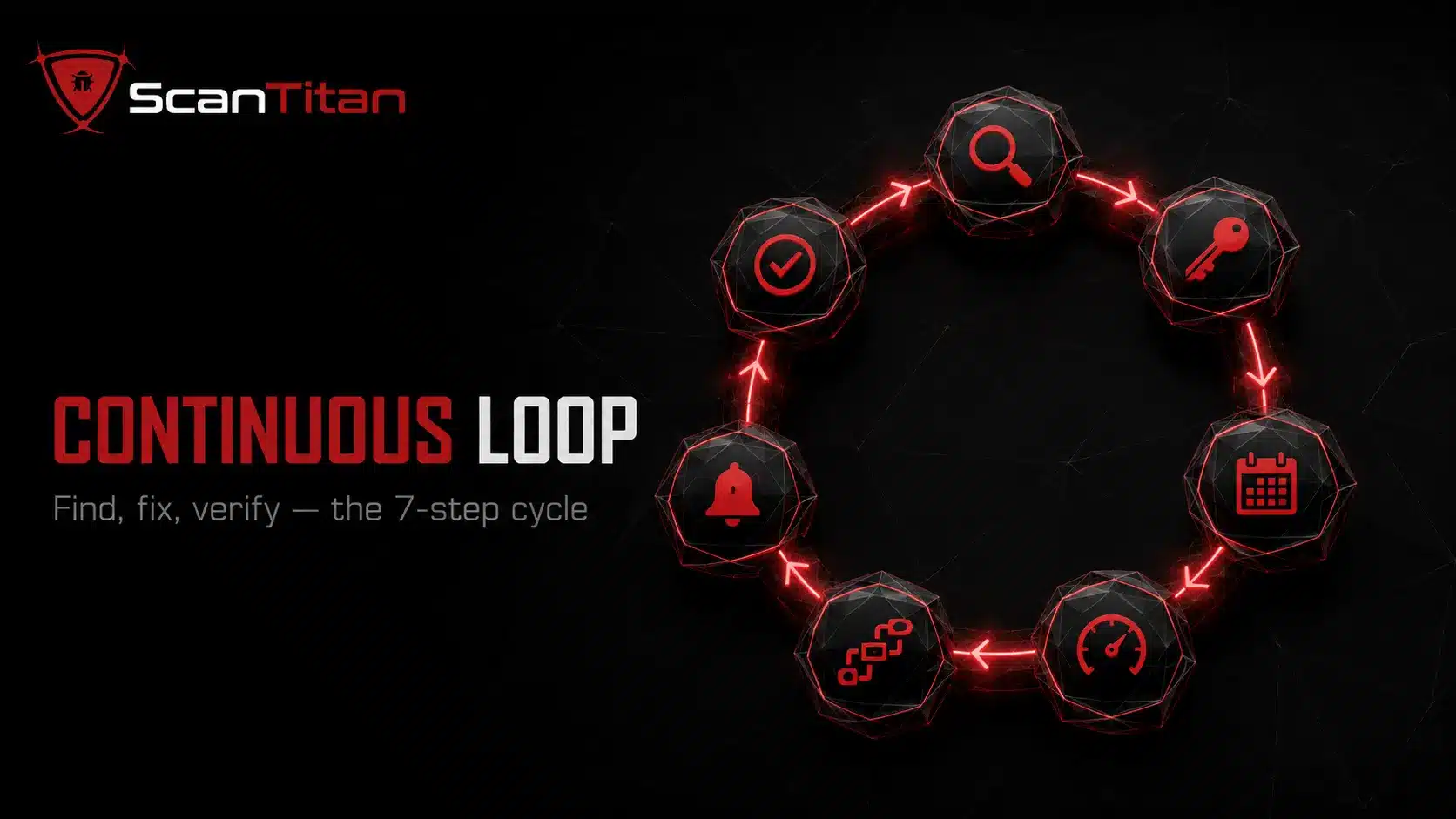
Continuous vulnerability scanning means your systems get checked for security weaknesses automatically and often, not once a quarter but every day and immediately after anything changes. To set up continuous vulnerability scanning, you discover and tag every asset, choose authenticated or unauthenticated scans, schedule them by risk, prioritize findings with CVSS and real exploit data, […]
A vulnerability assessment in cyber security is a systematic process that finds, ranks, and reports the security weaknesses across your websites, networks, and systems before an attacker exploits them. Think of it as a scheduled inspection of every door and window in your digital environment. This guide explains what a vulnerability assessment is, why it […]
Checking a website for vulnerabilities manually means testing it by hand, the way an attacker would, instead of relying only on an automated scanner. You probe inputs, read HTTP responses, inspect headers, and confirm each finding with real evidence. This guide walks you through How to Check Vulnerability of a Website Manually in seven repeatable […]
Knowing the types of website security vulnerabilities is the difference between fixing a flaw on your schedule and cleaning up a breach on the attacker’s. Most successful attacks do not use exotic zero-days; they exploit the same handful of well-documented weaknesses that appear on site after site. This guide breaks down the 12 most common […]
Choosing between vulnerability scanning vs penetration testing trips up a lot of teams, and picking the wrong one either wastes budget or leaves real holes open. A vulnerability scan is an automated, broad sweep that flags known weaknesses across your whole environment. A penetration test is a human-led, deep attack that proves which of those […]
Vulnerabilities in cyber security are weaknesses in software, hardware, configuration, or human process that an attacker can exploit to gain unauthorized access, steal data, or disrupt operations, and the problem keeps growing: the National Vulnerability Database logged more than 40,000 new CVEs in 2024, and Verizon’s Data Breach Investigations Report found that attackers exploiting vulnerabilities […]