Practical security insights for teams without a SOC
No vendor fluff. No recycled threat reports. Real guidance on vulnerability scanning, malware, and attack surface management — written by practitioners.
The Japanese keyword hack is a form of SEO spam hack in which attackers inject thousands of auto-generated Japanese pages into a compromised website. It works by cloaking: Google and search visitors see the spam, while you see your normal site. Owners usually find out from Japanese results in search or a sudden jump in […]
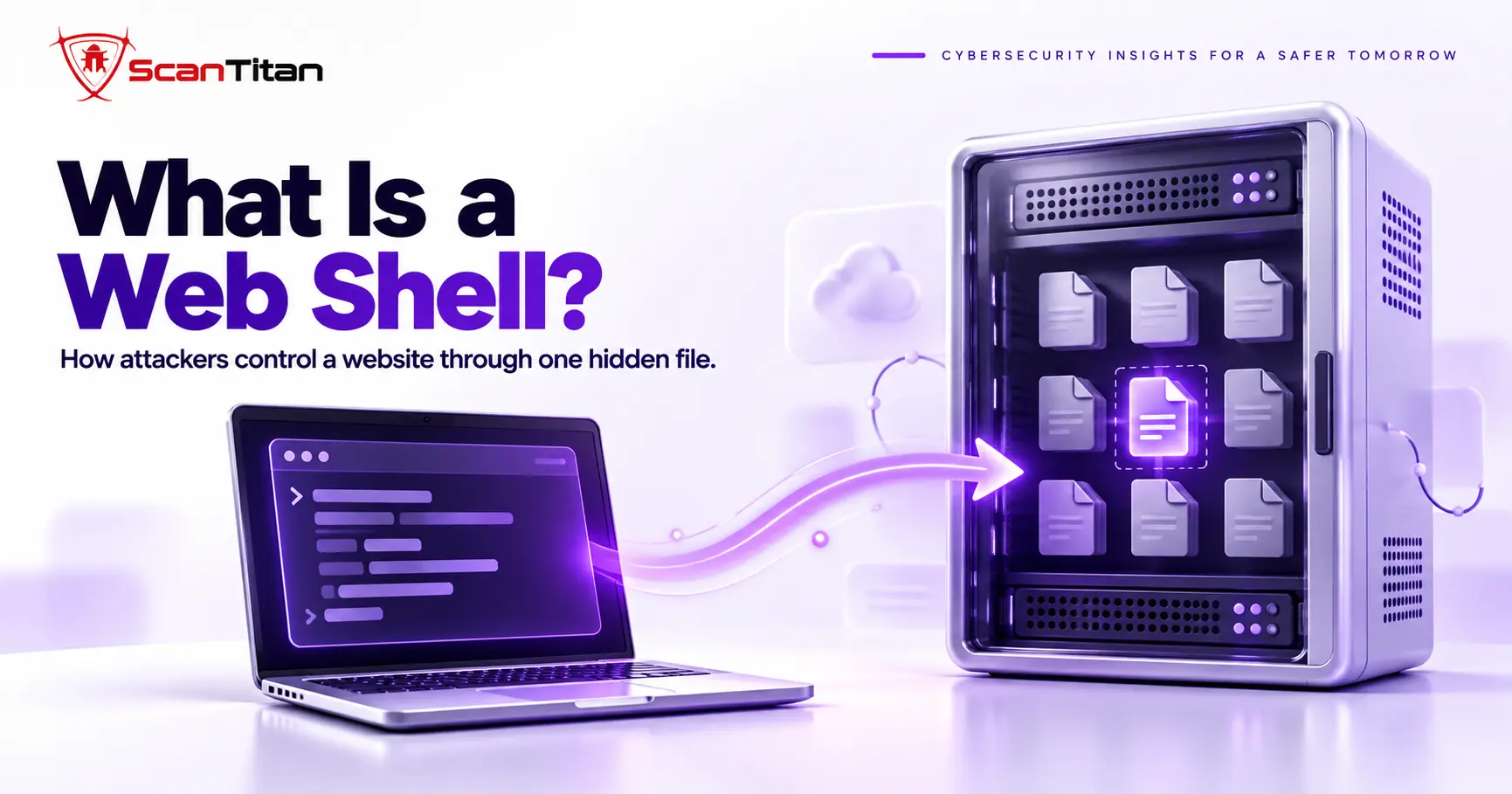
A web shell is a server-side script that an attacker can use to maintain remote access to a compromised web server. Depending on its capabilities and the privileges of the web server process, it may allow file access, command execution, database access, malware deployment or other administrative actions. Administration scripts that resemble web shells can […]
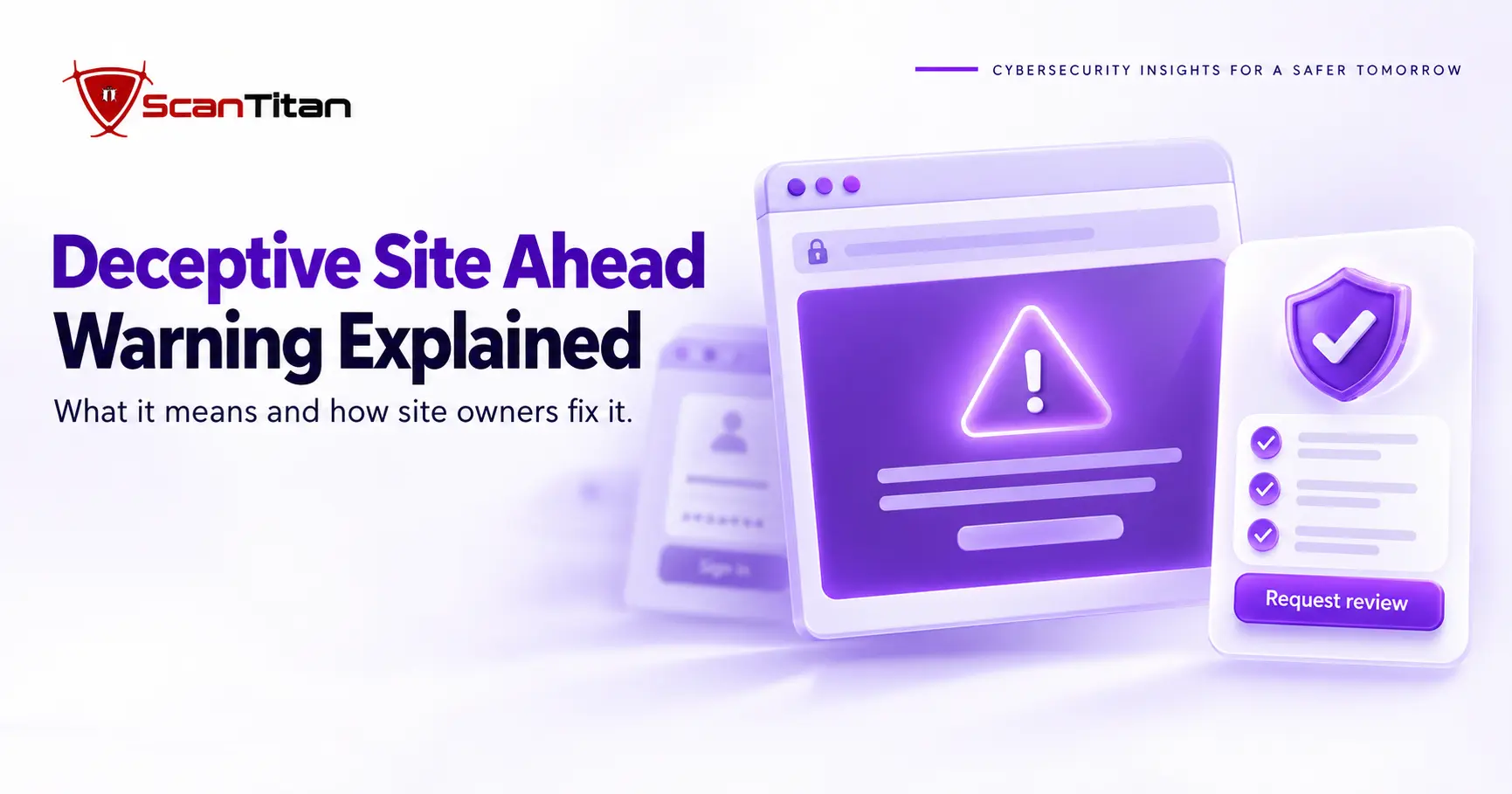
The Deceptive Site Ahead warning is a red Chrome screen that appears when Google Safe Browsing detects behavior associated with phishing or social engineering on a page. For visitors, it means leave. For site owners, it means Google detected harmful or deceptive behavior, and the cause may be hacked content, an injected script, a compromised […]
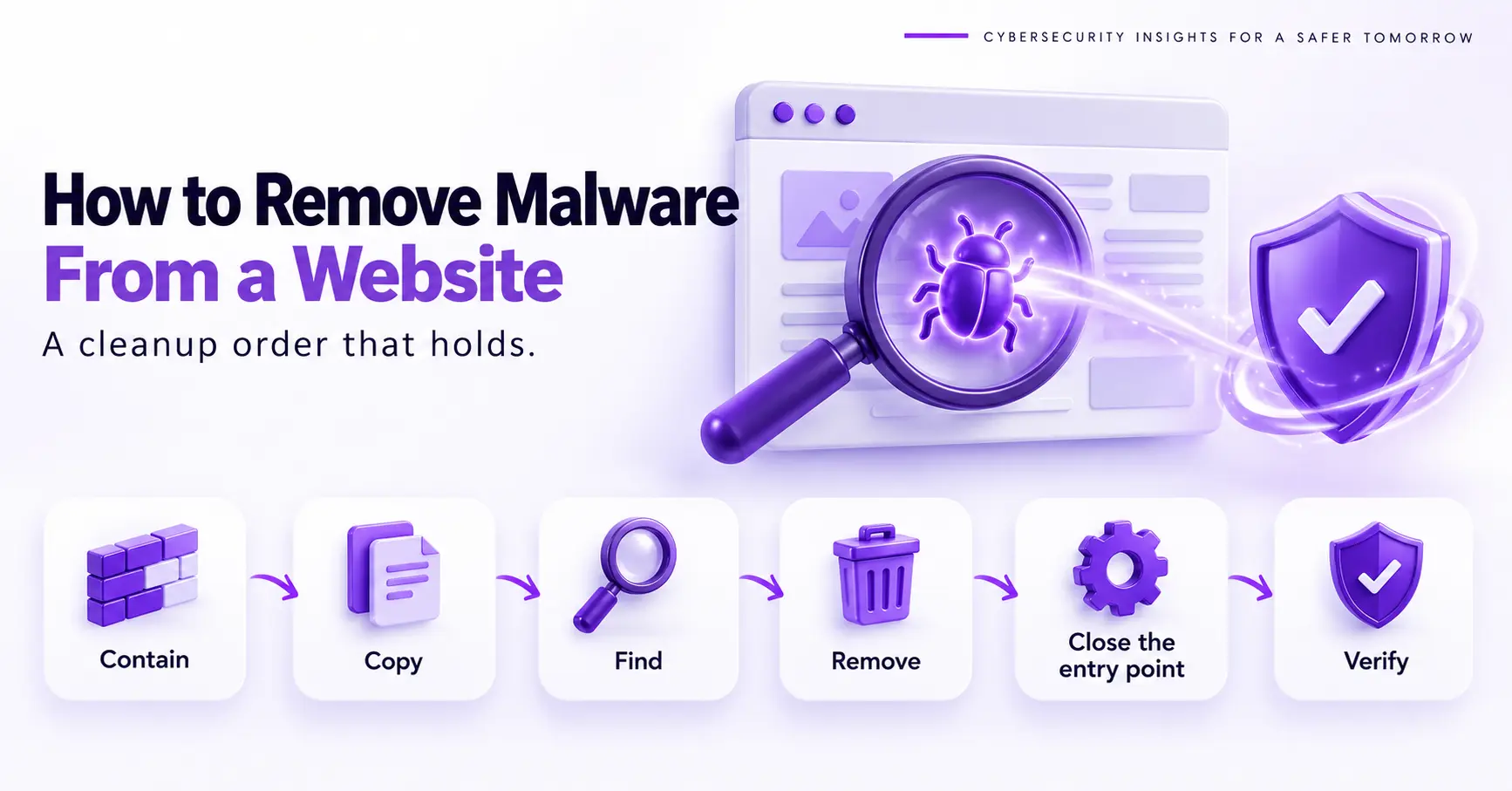
A website malware cleanup is the ordered process you follow to remove malware from website files and databases without leaving a way back in. It runs in six steps: contain the site, copy it, find every infected spot, remove it, close the entry point and verify. Most cleanups fail in the middle steps, because an […]
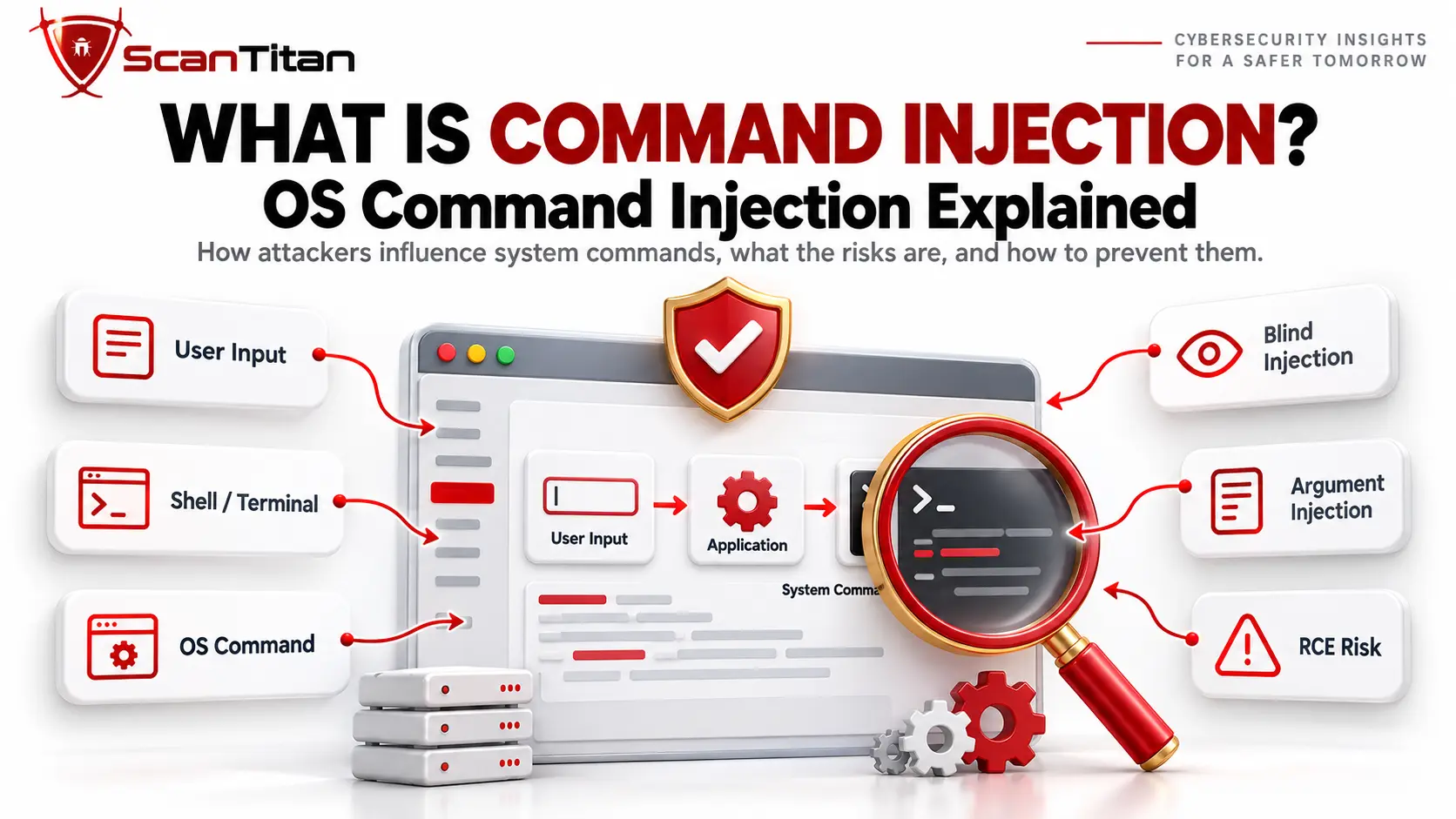
Command injection, usually referring to OS command injection, is a security vulnerability in which attacker-controlled input changes an operating-system command executed by an application, allowing unintended command behavior or additional commands to run with the application’s privileges, The core trust boundary is straightforward: the attacker influences data, the application turns that data into part of […]
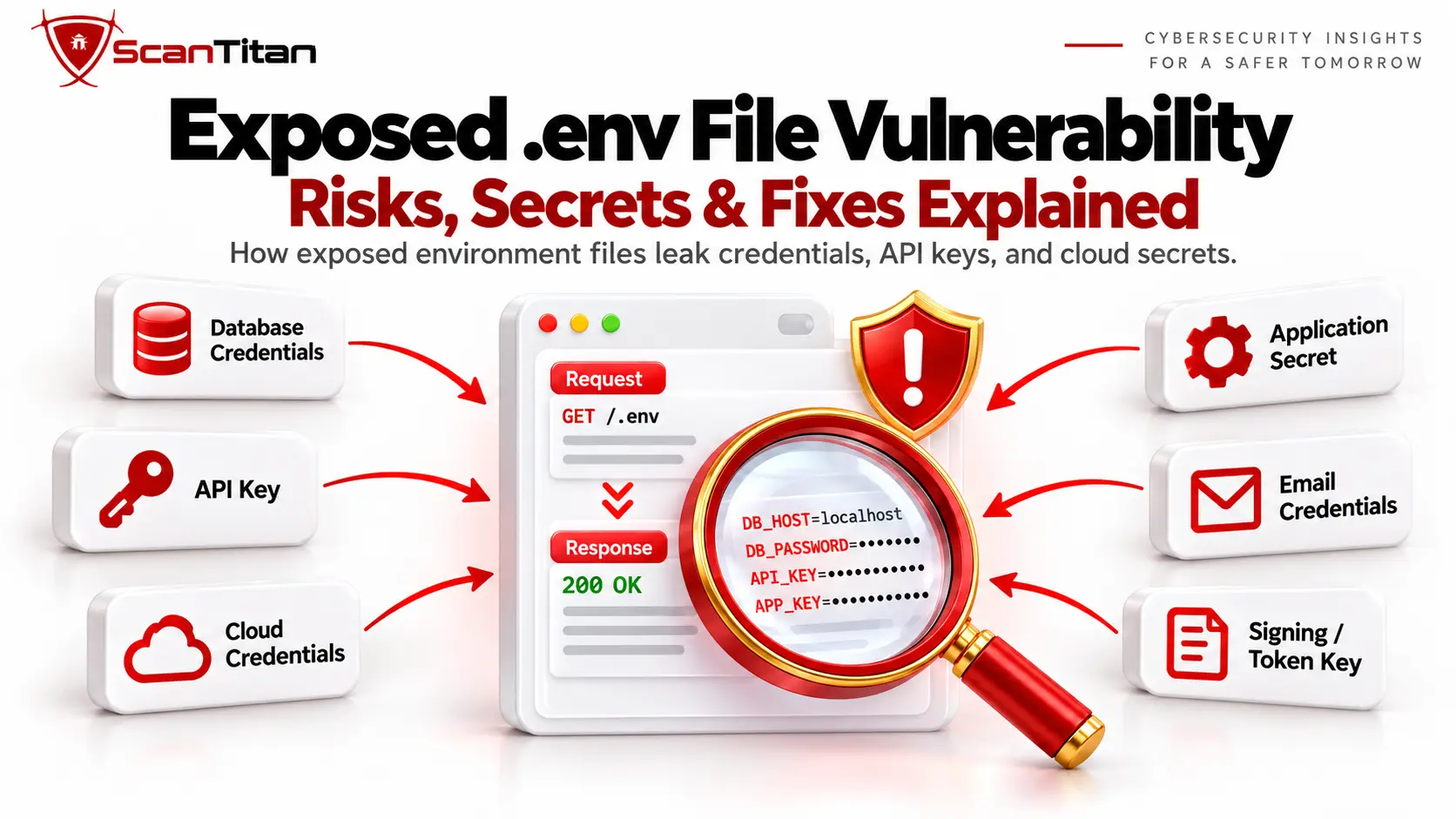
An exposed .env file vulnerability occurs when a web server allows unauthorized users to retrieve an environment configuration file. A publicly accessible .env file can reveal database credentials, API keys, application secrets, cloud credentials, mail passwords, signing keys, and other configuration values that were intended to remain server-side.The severity depends on what the file contains […]
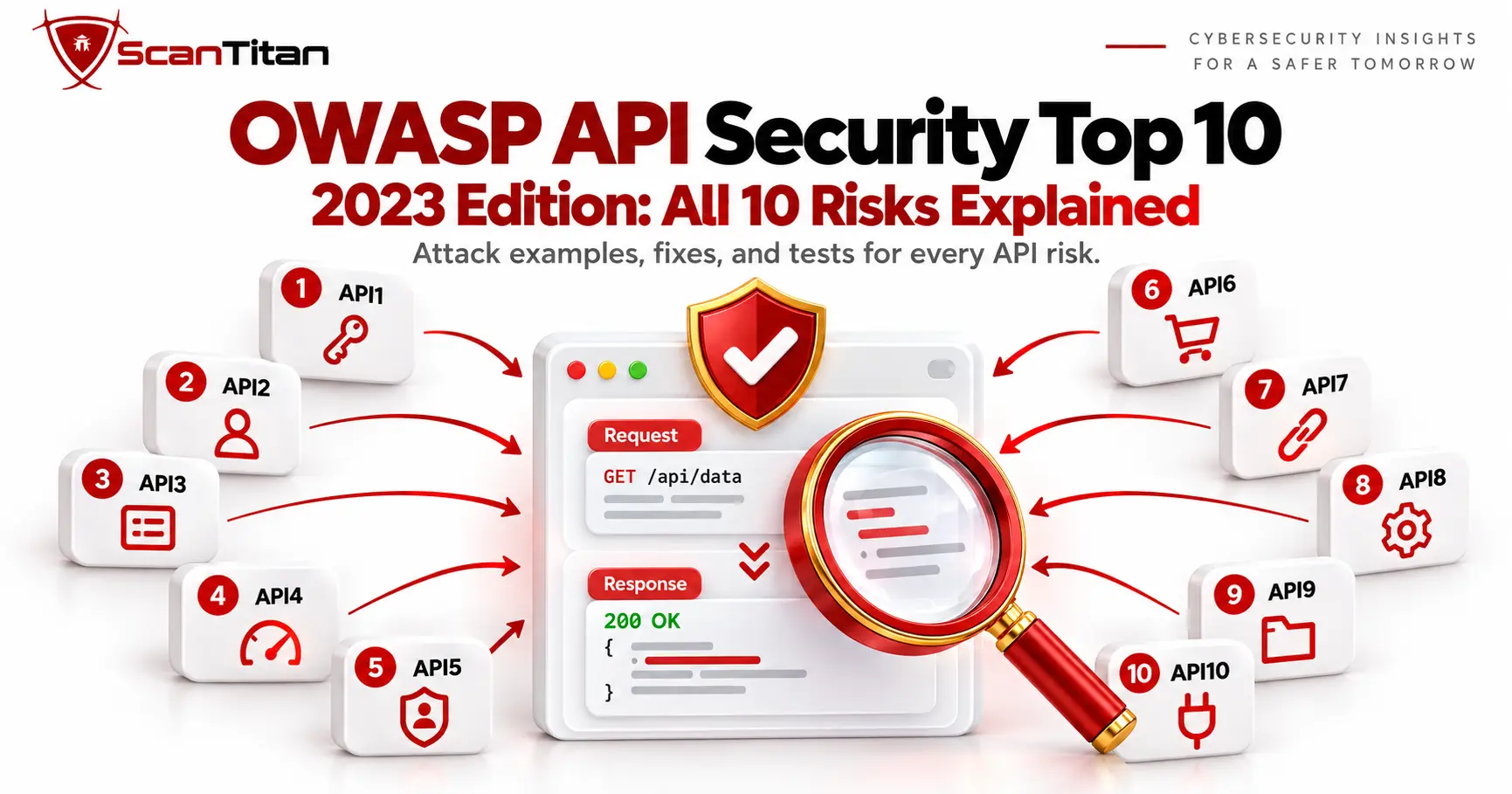
The OWASP API Top 10 is a ranked list of the ten most critical API security risks, and the 2023 edition is still the current version. It covers broken authorization, broken authentication, resource abuse, server-side request forgery, misconfiguration, and unsafe use of third-party APIs. This guide explains all ten risks with an attack example, a […]
The best vulnerability scanning tools in 2026 depend on what you need to scan. ScanTitan, Intruder, and HostedScan serve small teams that want cloud scanning without a security department, Tenable Nessus, Qualys VMDR, and Rapid7 InsightVM cover servers and networks, and Invicti, Burp Suite DAST, and Detectify test running web applications. This guide compares ten […]
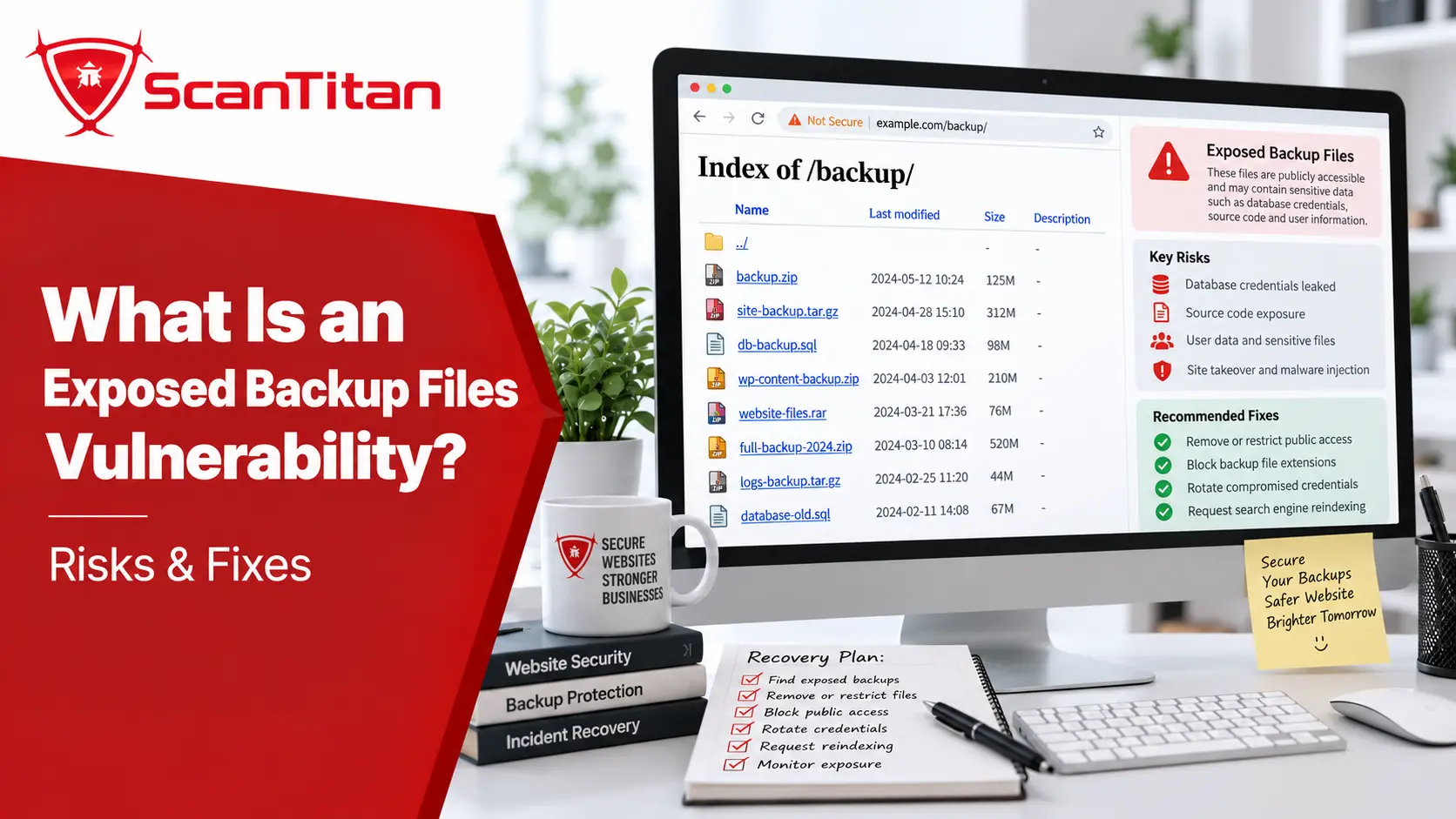
An exposed backup files vulnerability occurs when a backup, database dump, old source-code copy, deployment archive, or editor-generated file is publicly accessible from a web server. Files such as config.php.bak, database.sql, site-backup.zip, or index.php~ can reveal source code, credentials, private data, and internal application details.The impact depends on what the backup contains. An obsolete static […]
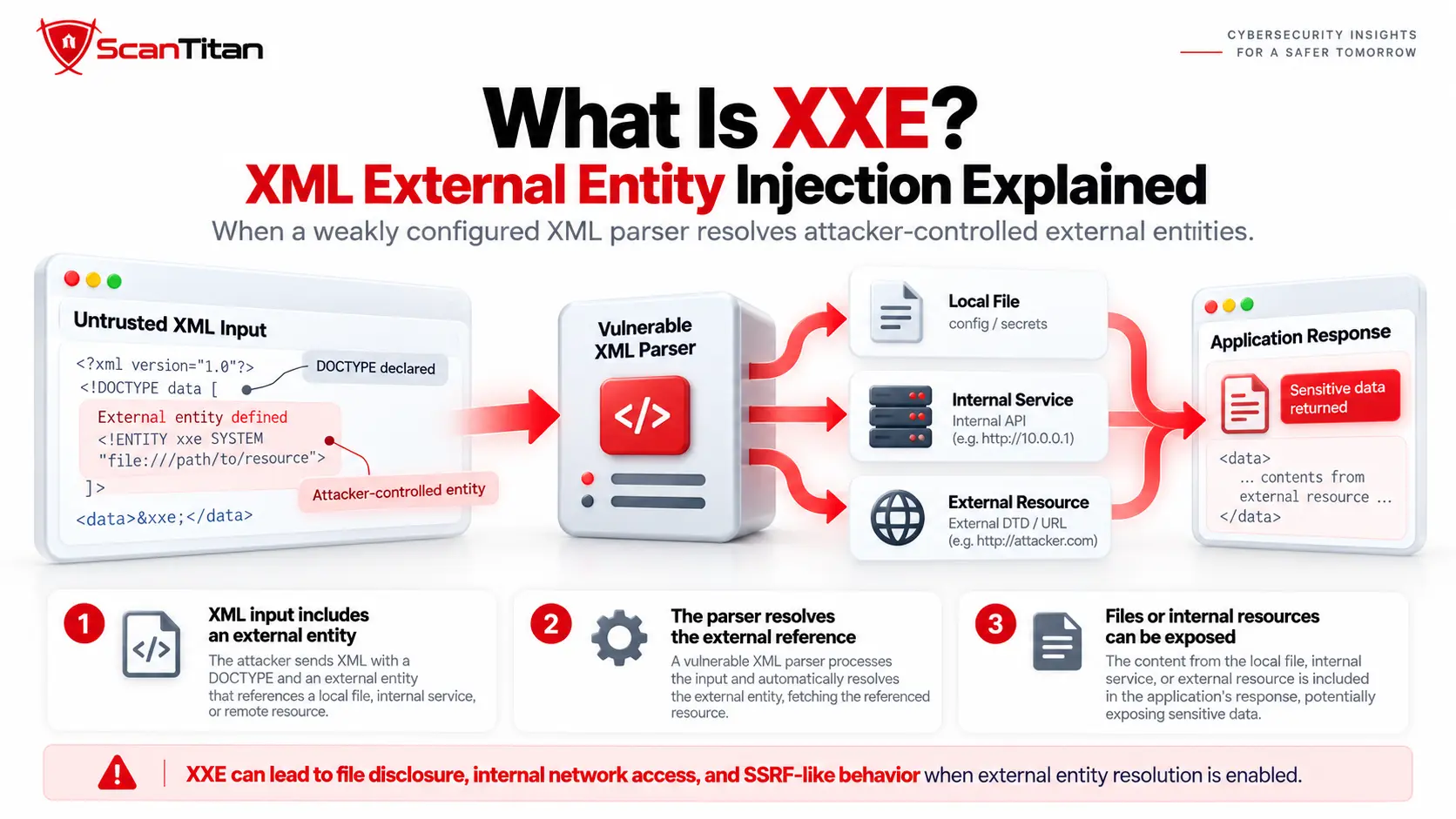
XML External Entity (XXE) Injection is a web security vulnerability in which an application processes attacker-controlled XML with a parser that is allowed to resolve external entities or other external XML resources. That unsafe parser behavior can expose local files, trigger server-side requests to internal or external systems, or create other unintended resource access. The […]
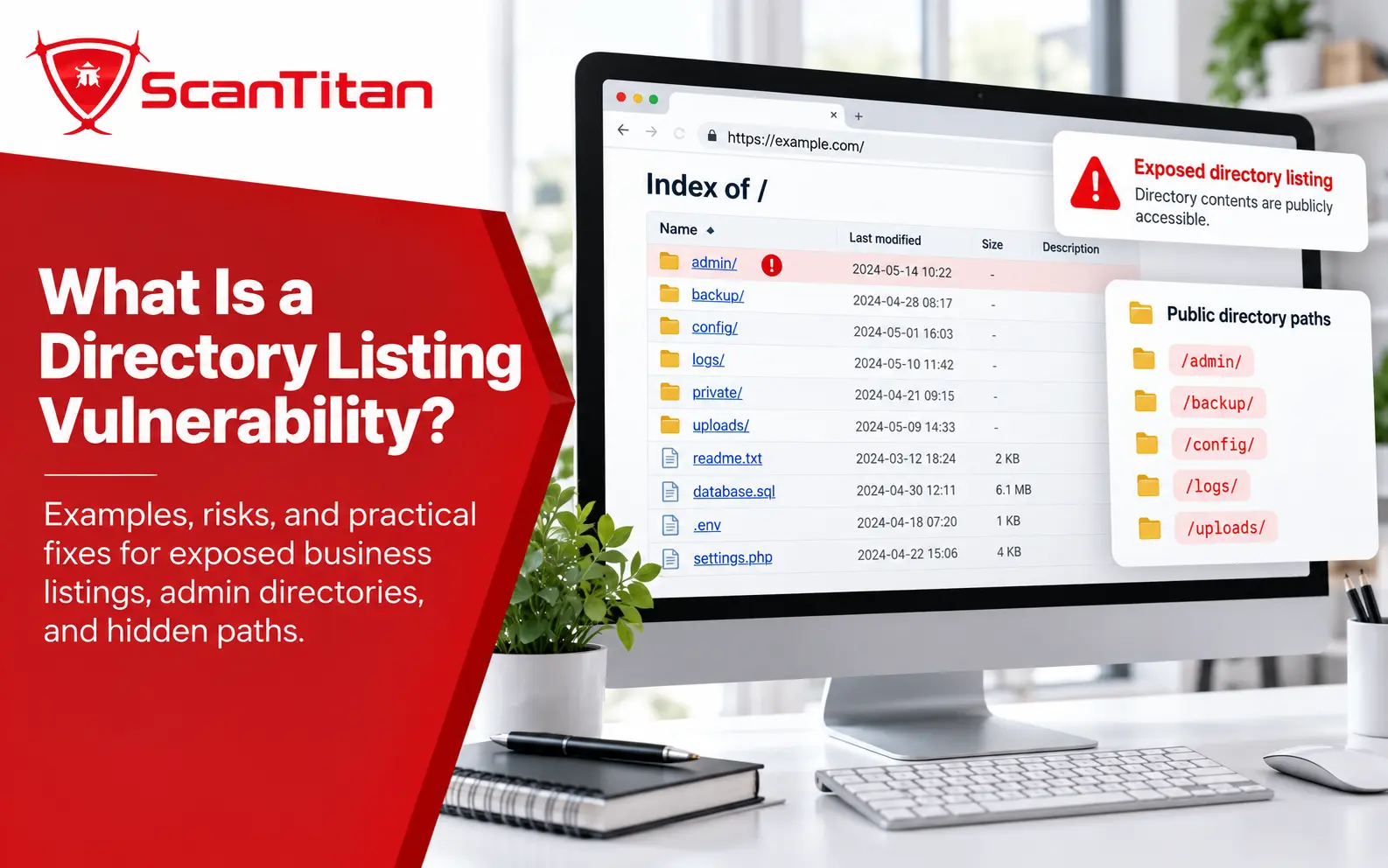
A directory listing vulnerability occurs when a web server exposes a browsable index of files and subdirectories that were not intended to be discovered this way. Instead of returning an index page or denying access, the server generates a list that can reveal filenames, backup archives, configuration files, logs, source code, database exports, or internal […]
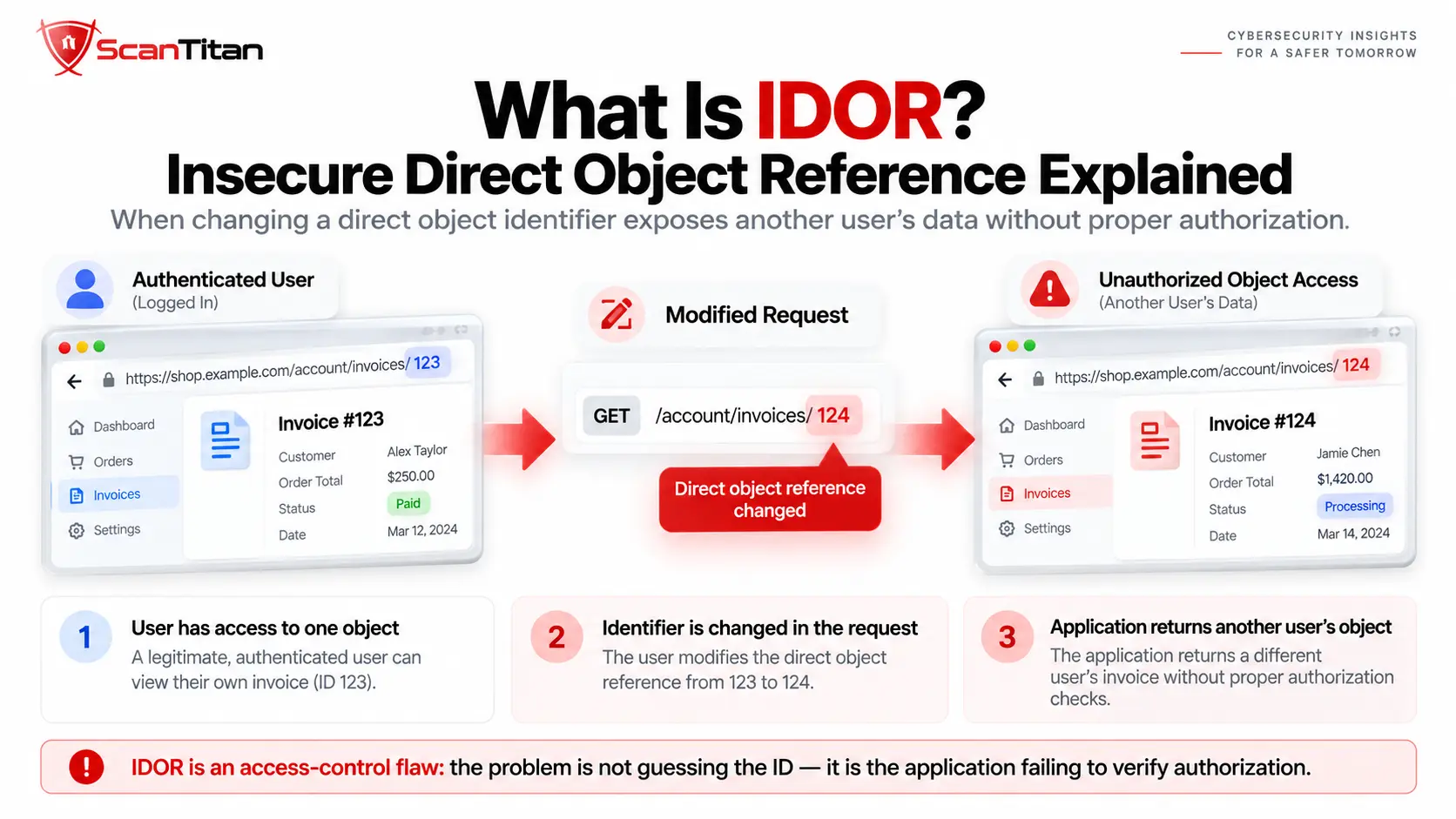
Insecure Direct Object Reference (IDOR) is an access control vulnerability in which an application uses a user-controllable reference to retrieve, change, delete, or otherwise act on an object without verifying that the requester is authorized to perform that action on that specific object.The central mistake is confusing authentication with authorization. Authentication answers “Who are you?” […]
An open ports security risk assessment is the process of finding every internet-facing port, identifying the service behind it, and scoring how likely an attacker is to exploit it. Not every open port is dangerous. Port 443 running patched HTTPS is fine. Port 3389 exposing Remote Desktop Protocol to the whole internet is not. This […]
The port 445 vulnerability is the security risk of exposing Server Message Block (SMB) traffic, which runs over TCP port 445, to an untrusted network. Attackers target port 445 for wormable remote code execution, ransomware, and lateral movement, and it drove the 2017 WannaCry outbreak through the EternalBlue exploit. This guide covers the key CVEs, […]
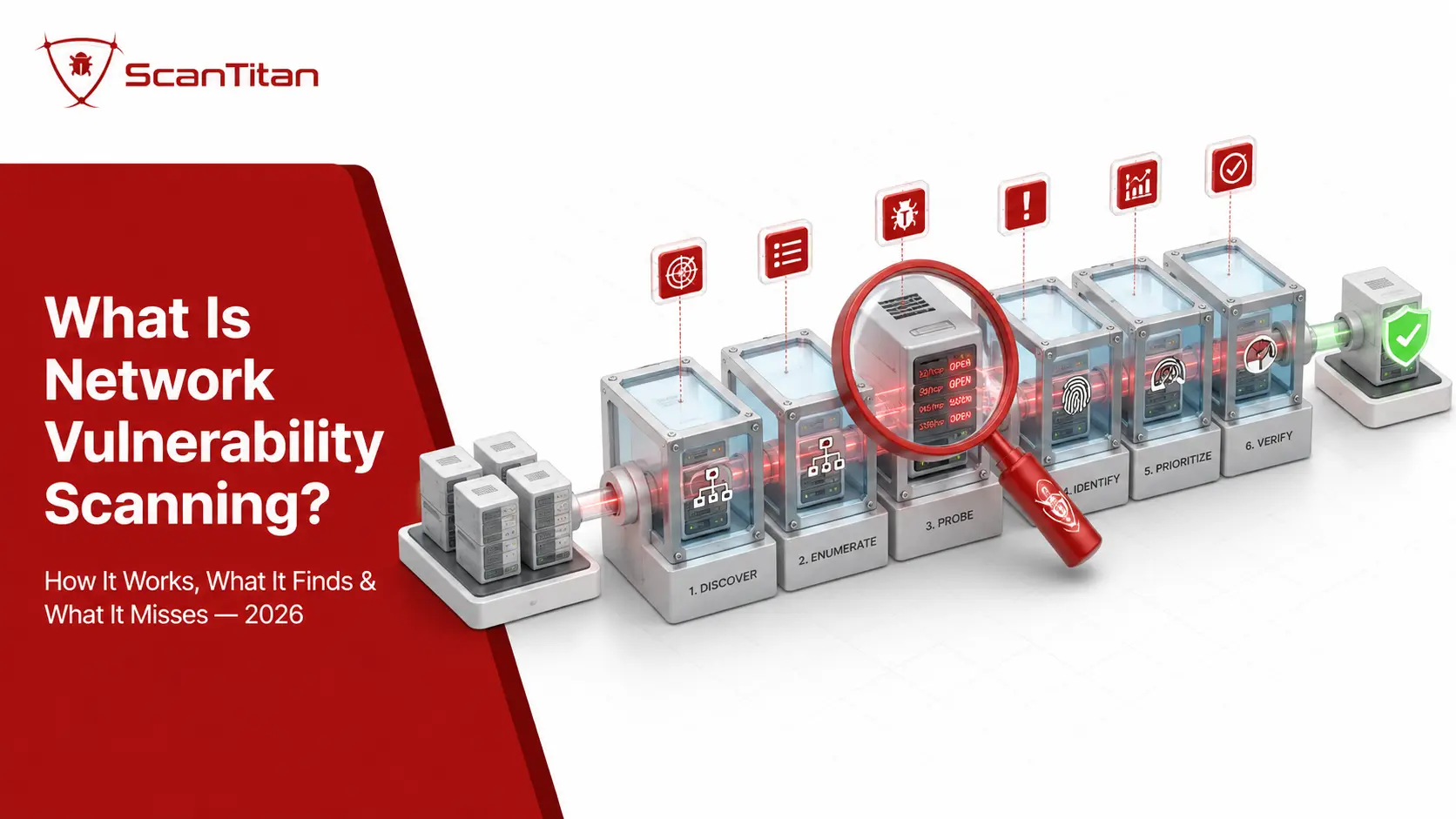
Network vulnerability scanning is the automated process of probing every host on a network, identifying the service behind each open port, and matching what it finds against a database of known vulnerabilities. It is the cheapest reliable way to see your infrastructure the way an attacker sees it. It is also widely oversold. A scan […]
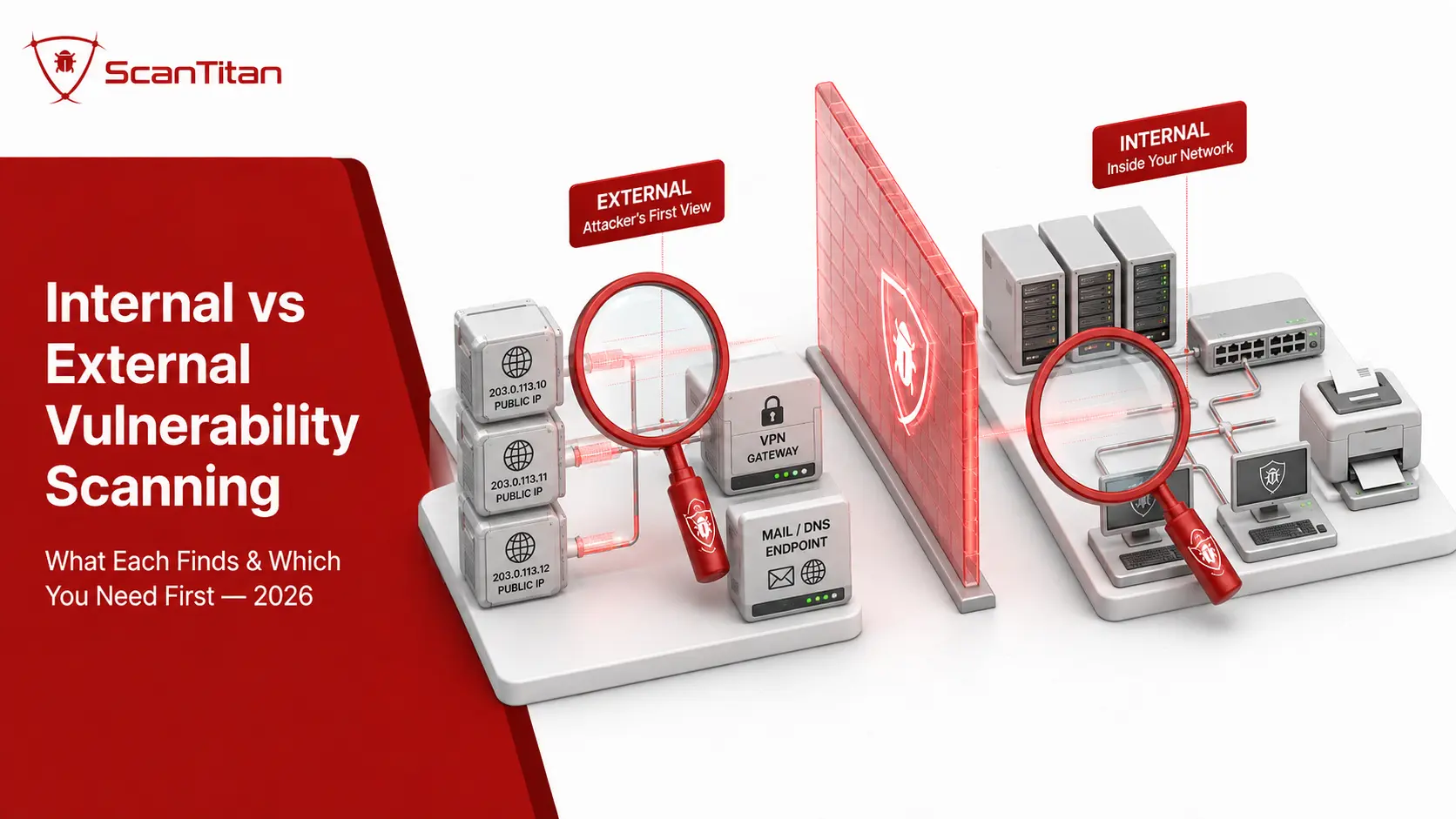
Internal vs external vulnerability scanning is primarily a difference in vantage point. An external scan tests internet-facing systems from outside your network, while an internal scan tests systems reachable from inside it. External scanning answers “what can an attacker reach before gaining access?” Internal scanning answers “what weaknesses become reachable after someone is inside?” Most […]
If your WordPress site has been hacked, the fastest way to fix it is to work in order rather than panic: contain the site, find and remove the malware, close the vulnerability that let the attacker in, then harden against a repeat. This guide walks through how to fix a hacked WordPress site step by […]
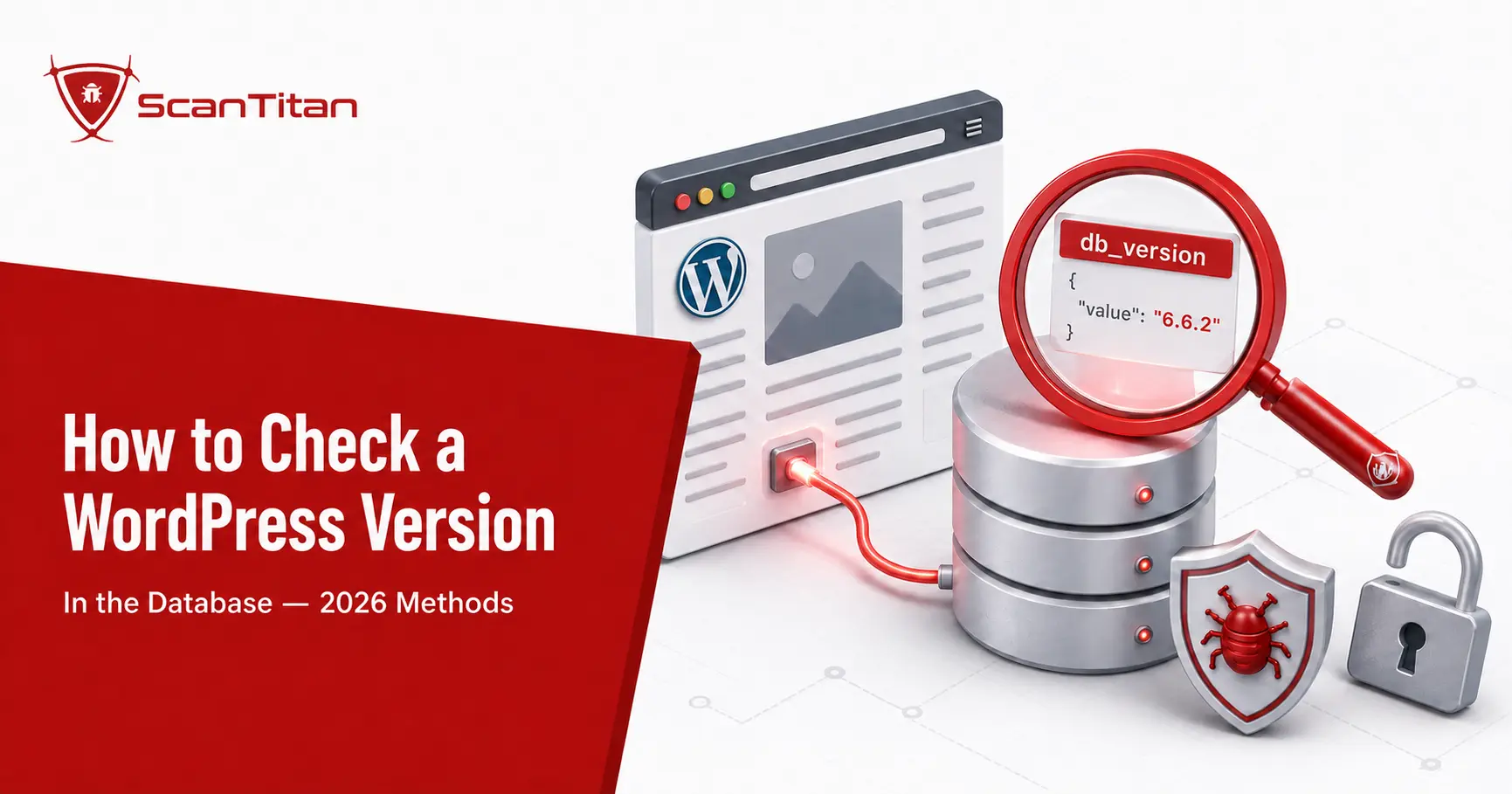
Learning how to check a wordpress version in database is useful when you are locked out of the dashboard, but it comes with a catch most guides get wrong: the version is not stored as a plain row. What the database holds is the db_version schema number and a cached core-update record whose version_checked field […]
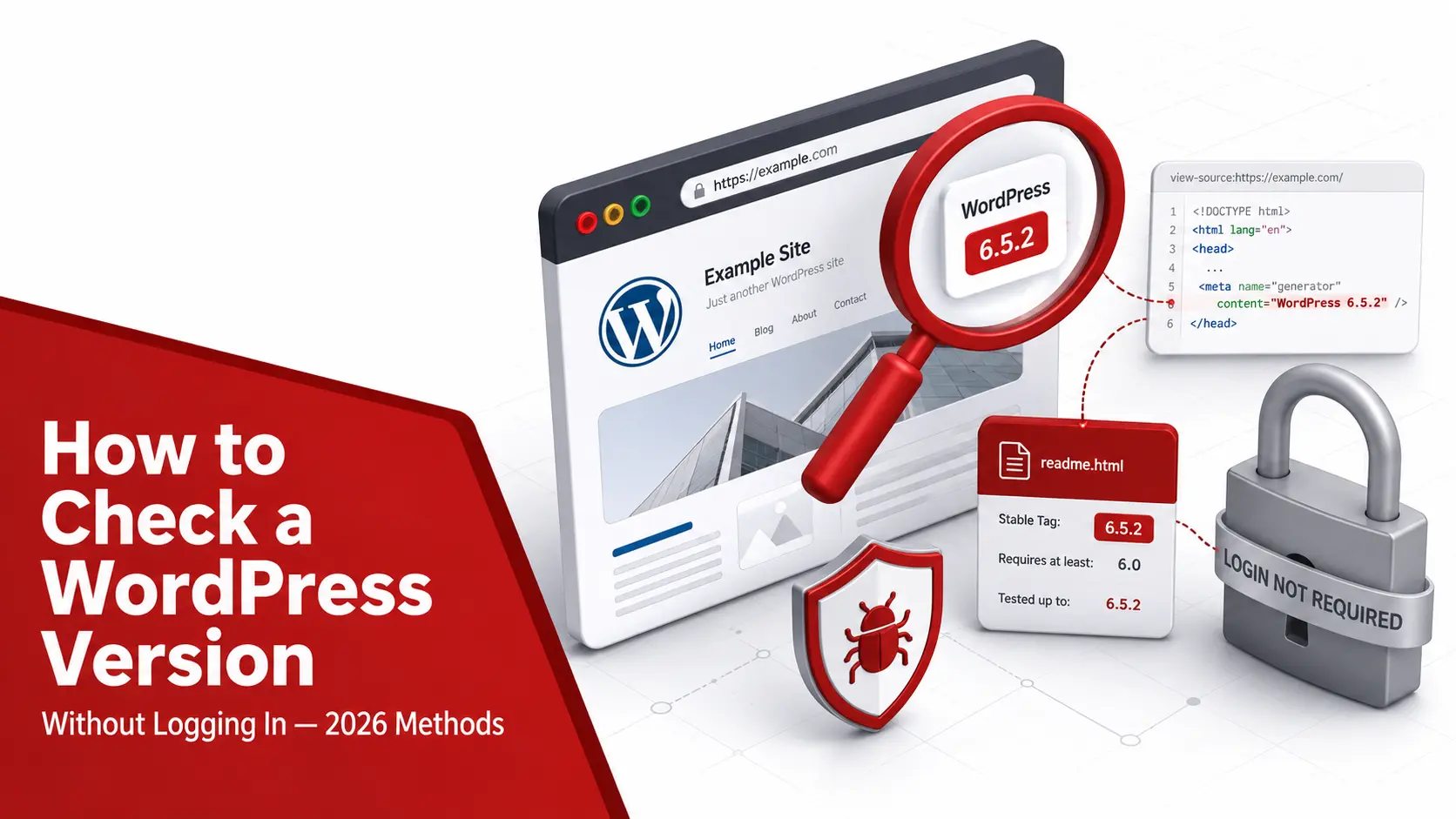
Learning how to check WordPress version without login often takes only a couple of minutes because default or lightly hardened WordPress sites may expose version clues in the page source, RSS feeds, asset URLs, and public files. Knowing the version can help with security auditing because automated tools use the same public clues for reconnaissance. […]
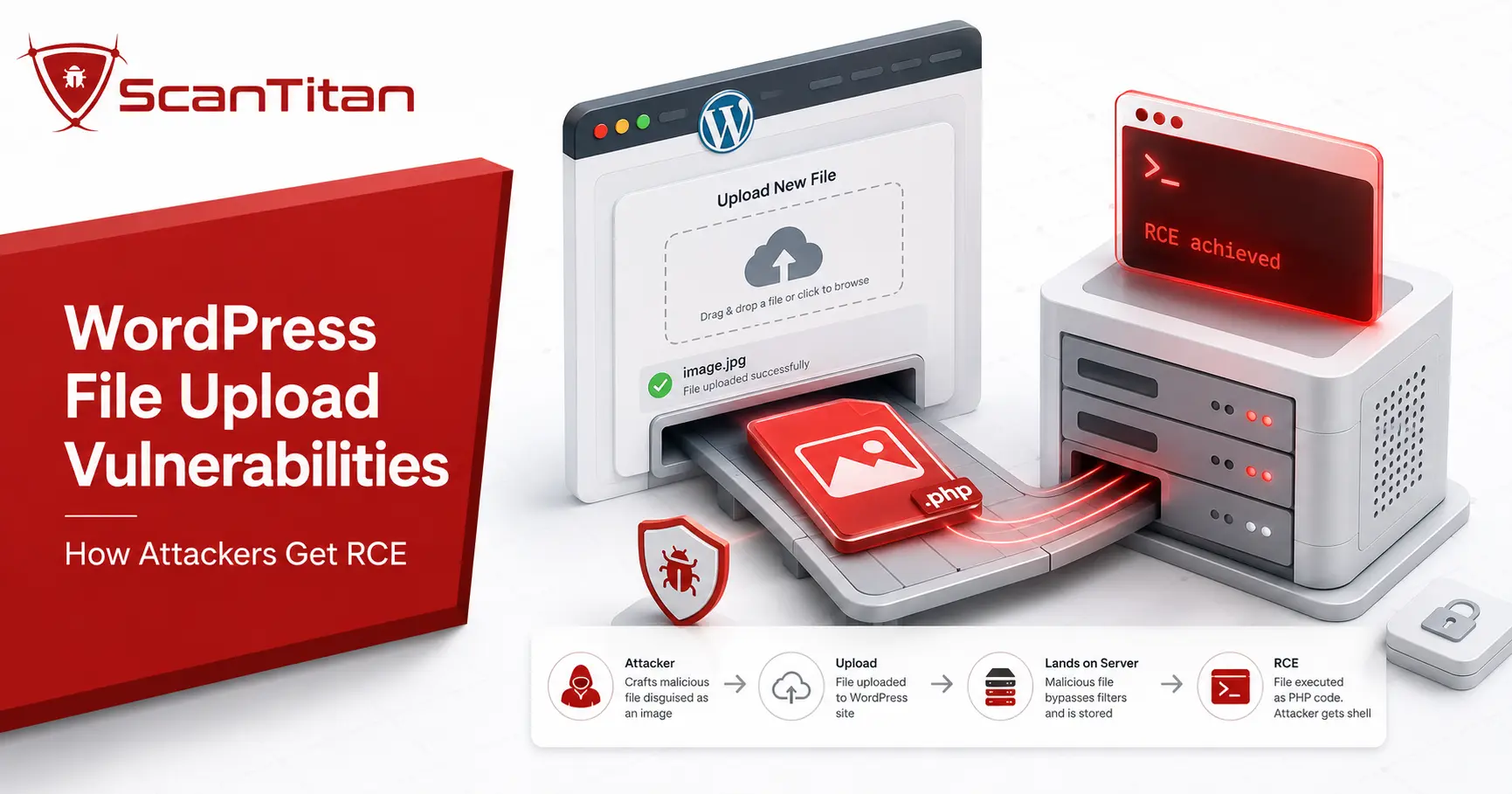
A WordPress file upload vulnerability is one of the most dangerous flaws a site can have, because it can lead straight to remote code execution when an attacker can place an executable file in a web-accessible location where the server will run it. These flaws live almost entirely in plugins and themes that accept uploads […]
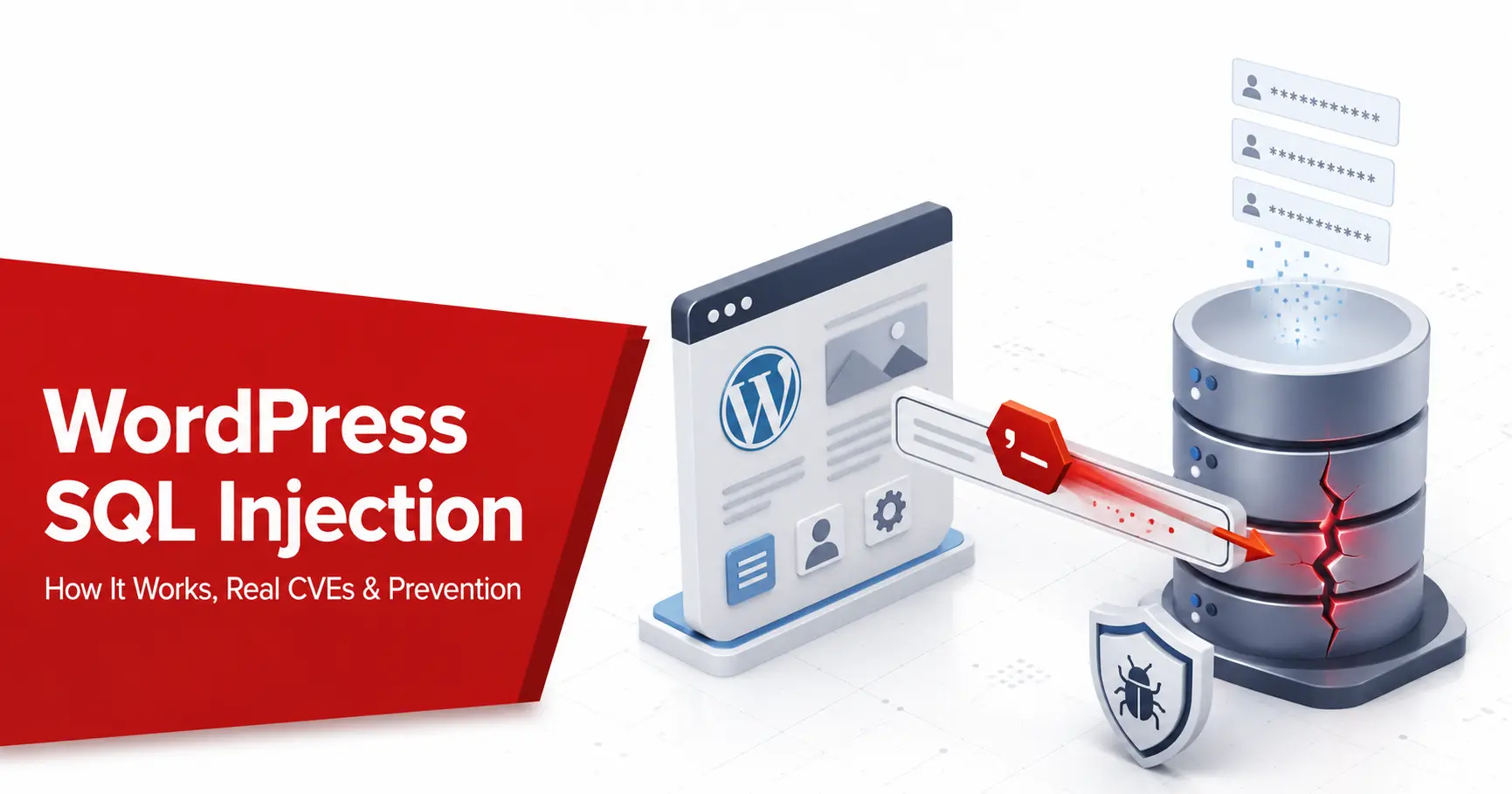
WordPress SQL injection is one of the most damaging ways a WordPress site gets breached, because it reaches the database where everything lives: your users, passwords, settings, and content. The WordPress core is well protected against it, and most real cases trace back to insecure plugin or theme code rather than WordPress itself. This guide […]
WordPress plugin vulnerabilities are the single biggest reason WordPress sites get hacked, and the problem is growing, not shrinking. Plugins account for more than nine in ten WordPress security flaws, the core almost none, and some heavily exploited newly disclosed plugin bugs are now mass-exploited within hours. This guide covers what plugin vulnerabilities are, the […]
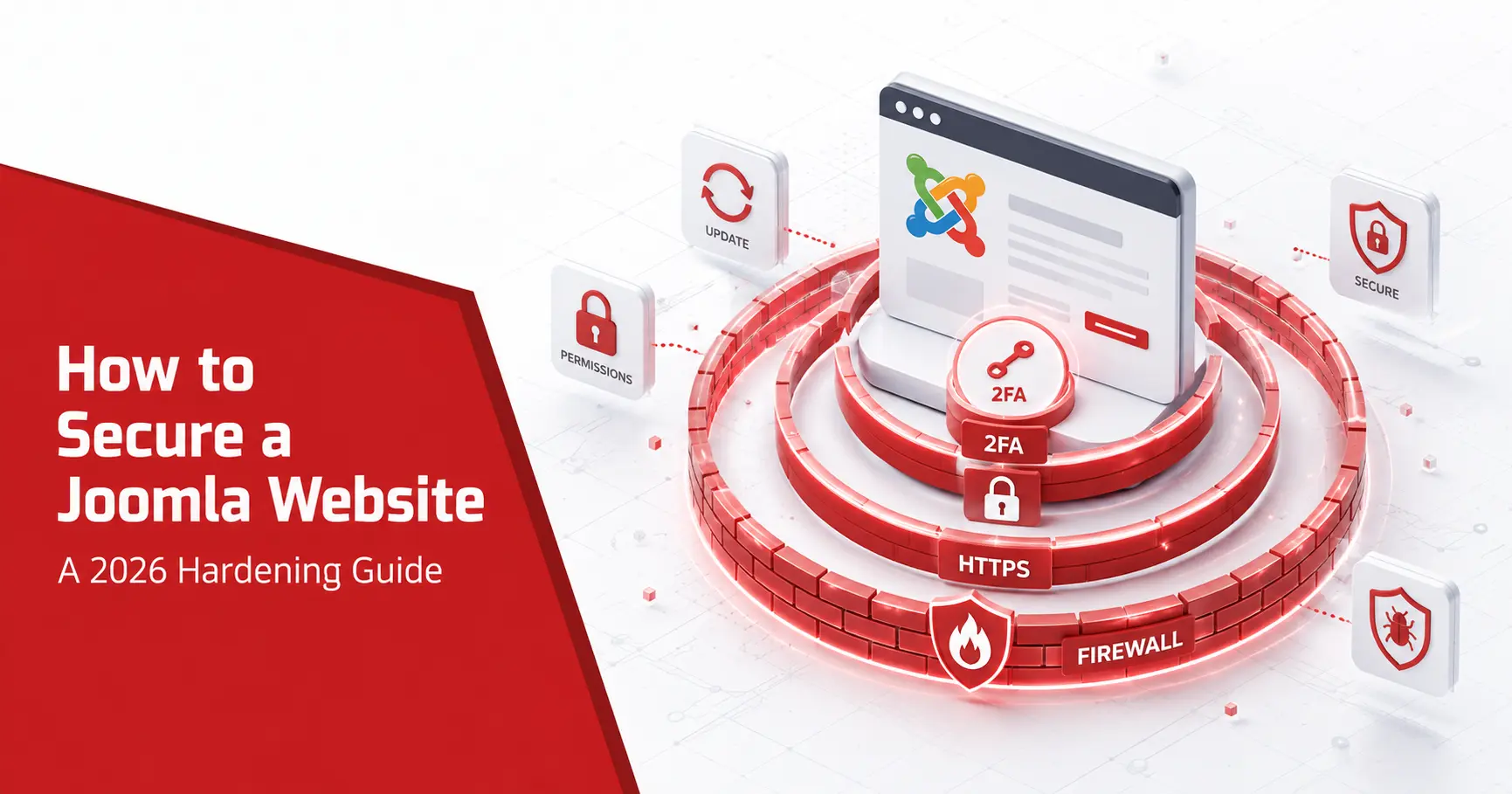
Learning how to secure Joomla website comes down to a short list of controls applied in the right order, not a hundred obscure tweaks. Patch first, lock down the login, apply least privilege, force HTTPS, harden the server, cut your extension count, and scan on a schedule. Most hacked Joomla sites fall to one skipped […]
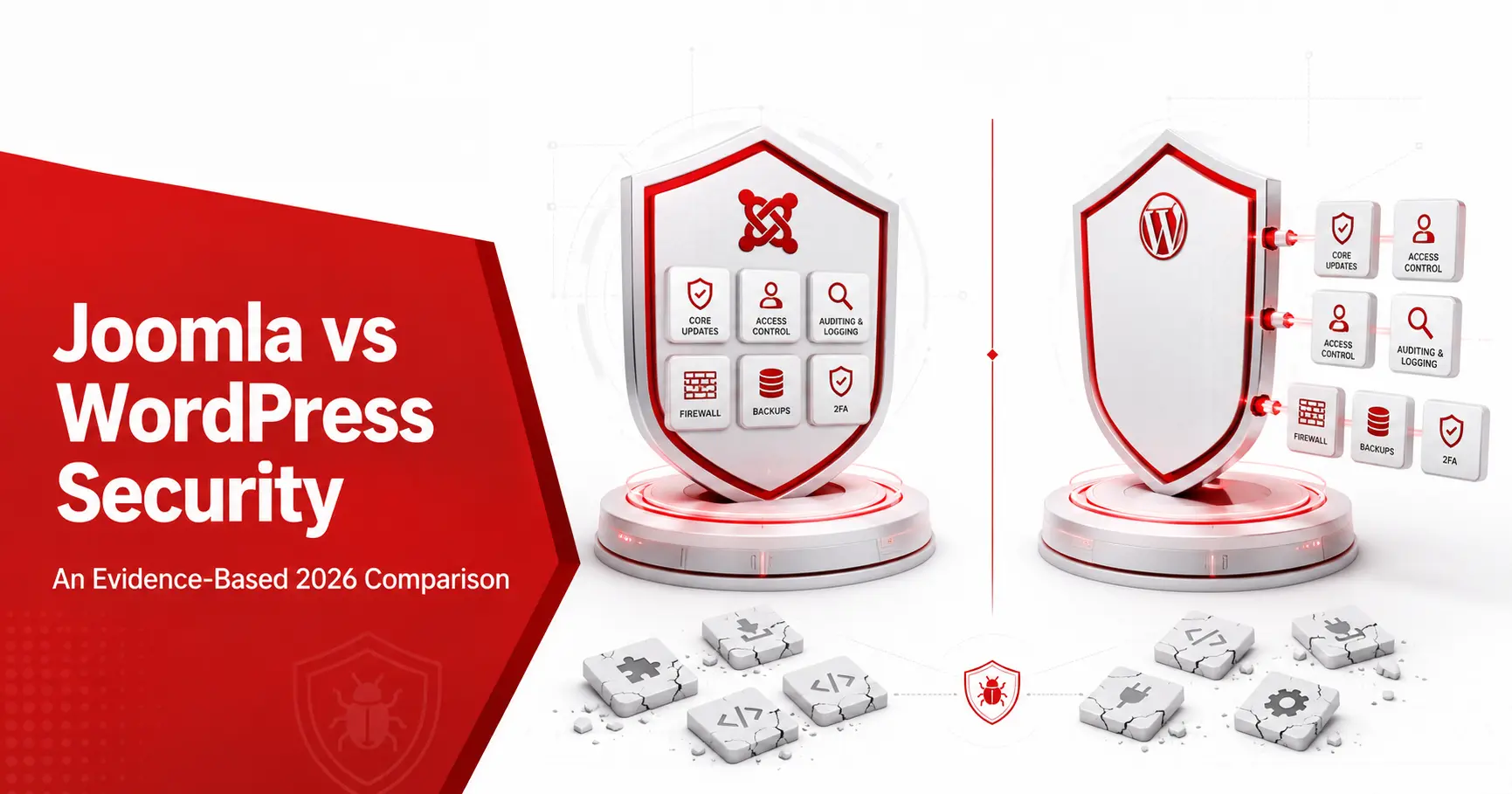
The Joomla vs WordPress security debate usually gets answered with loyalty, not evidence. The honest version is duller and more useful: both platforms ship a secure core, and both get breached through third-party code far more than through a core bug. Joomla bundles more security controls by default, while WordPress patches its core faster and […]
A web shell is a server-side script that an attacker can use to maintain remote access to a compromised web server. Depending on its capabilities and the privileges of the web server process, it may allow file access, command execution, database access, malware deployment or other administrative actions. Administration scripts that resemble web shells can […]
The Deceptive Site Ahead warning is a red Chrome screen that appears when Google Safe Browsing detects behavior associated with phishing or social engineering on a page. For visitors, it means leave. For site owners, it means Google detected harmful or deceptive behavior, and the cause may be hacked content, an injected script, a compromised […]
A website malware cleanup is the ordered process you follow to remove malware from website files and databases without leaving a way back in. It runs in six steps: contain the site, copy it, find every infected spot, remove it, close the entry point and verify. Most cleanups fail in the middle steps, because an […]
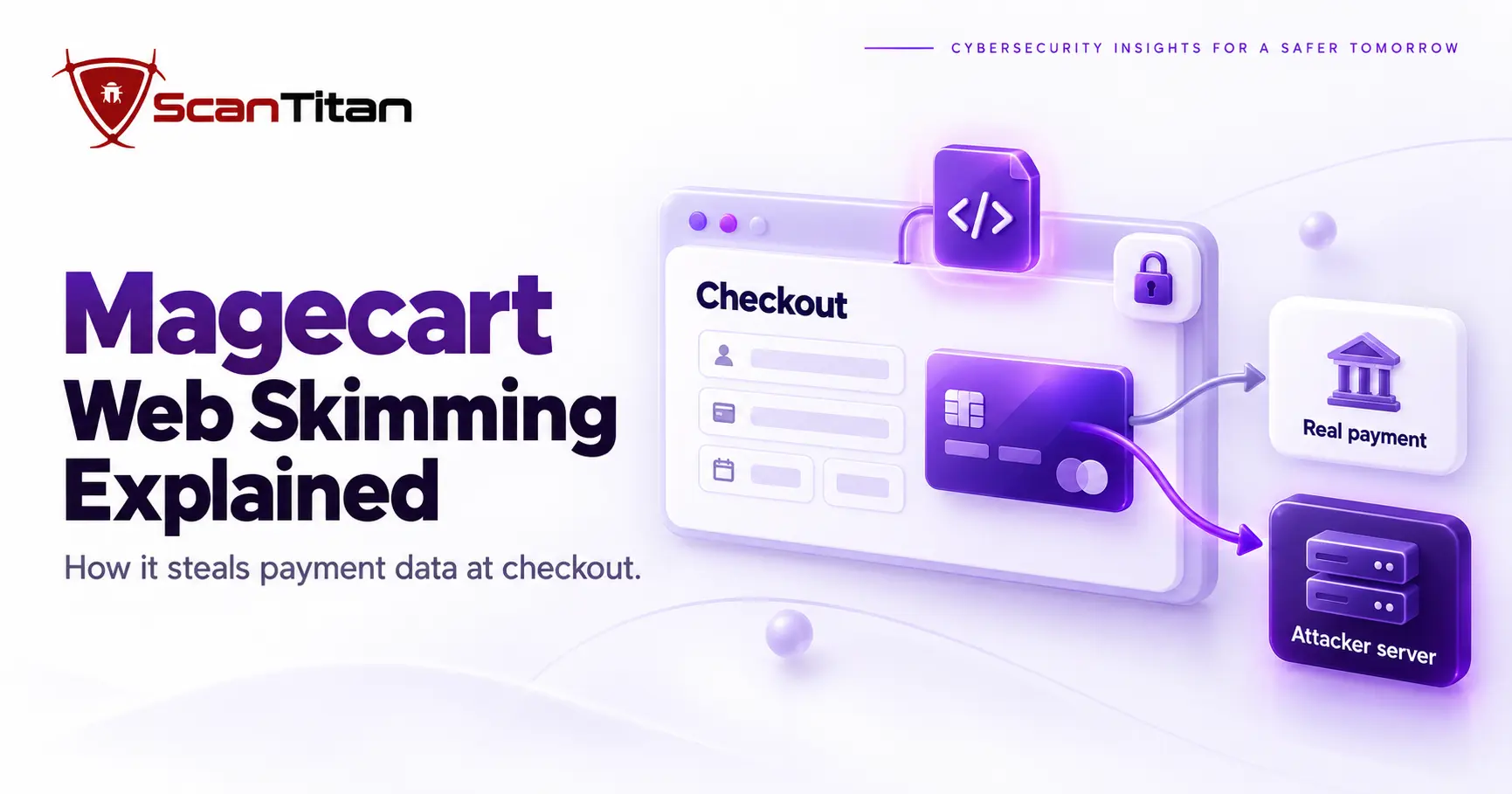
Magecart is the name for criminal groups that steal payment card data from online checkout pages, usually by planting JavaScript that copies card details while the real purchase goes through. The code may sit on your own site, in a third-party script or in a tag manager, so a store can leak cards without a […]
12+ years in information security. Specialises in web application security, vulnerability management, and external attack surface reduction for SMB and mid-market organisations.
New CVEs, practical guides, and scan methodology updates. One email per week. No sales pitch.
No spam. Unsubscribe any time. GDPR compliant.
Editorial standards: All ScanTitan blog content is reviewed by certified InfoSec professionals before publication. Technical claims are tested against live scan results or cited from primary sources (CVE database, OWASP, NIST NVD). We do not accept sponsored posts or paid placements.
Try a free scan
Run a free vulnerability scan on your domain. No account required.