Practical security insights for teams without a SOC
No vendor fluff. No recycled threat reports. Real guidance on vulnerability scanning, malware, and attack surface management — written by practitioners.
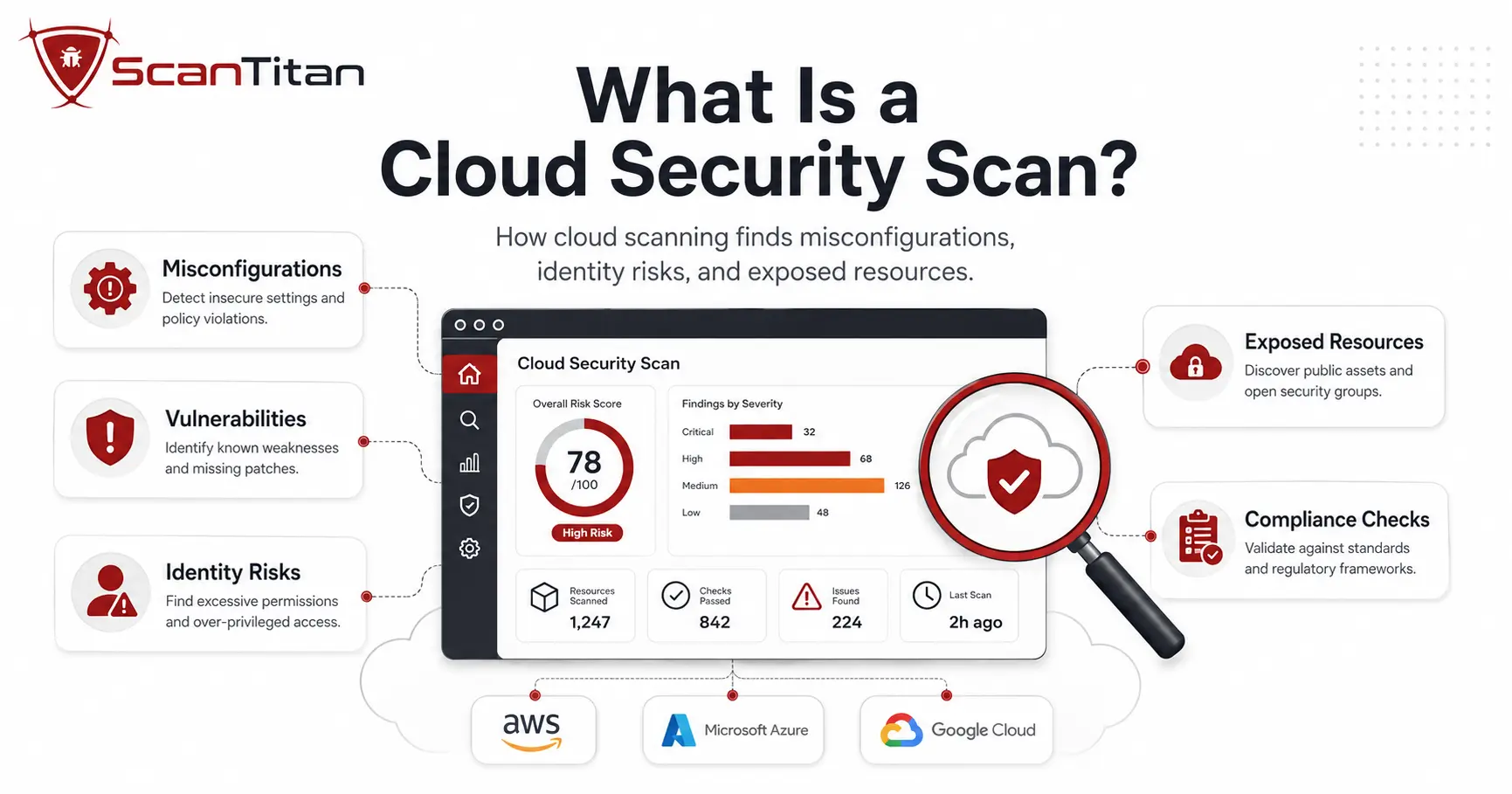
A cloud security scan is an automated assessment of cloud accounts, workloads, data, identities, and configuration settings that looks for vulnerabilities, insecure configurations, excessive permissions, exposed resources, and technical control
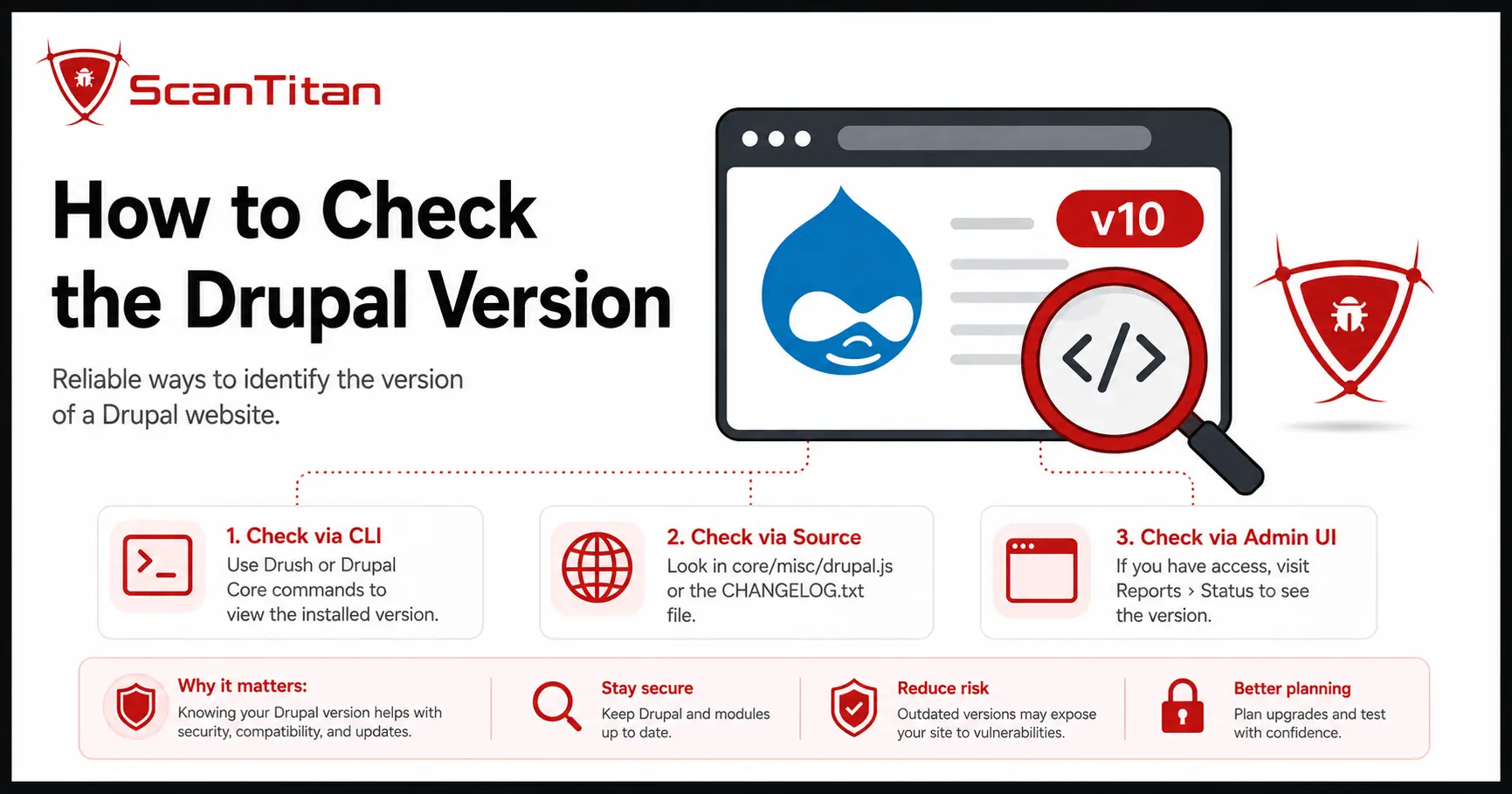
Knowing how to check the Drupal version of a website helps you answer a critical security question: does the site still receive security updates? An unsupported Drupal branch can continue
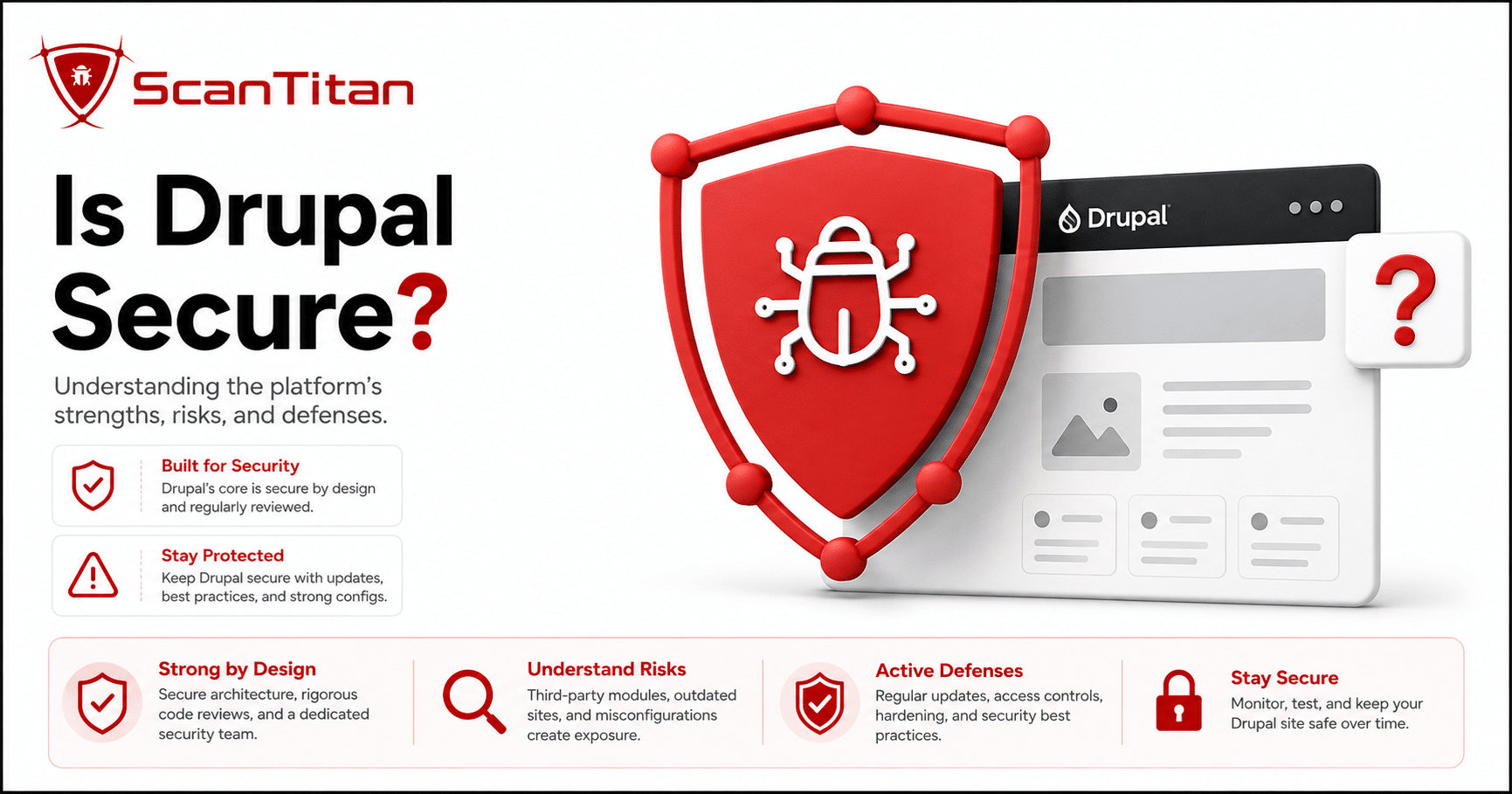
Is Drupal secure? Yes, when it runs on a supported branch, receives security updates promptly, and is configured and maintained correctly. Drupal provides a strong security foundation through a dedicated
A use-after-free vulnerability happens when a program keeps using a piece of memory after it has already handed that memory back to the system. The leftover reference, called a dangling
The most common WordPress vulnerabilities in 2026 still come mainly from plugins and themes, but the risk is more specific than “WordPress is insecure.” Patchstack recorded 11,334 new ecosystem vulnerabilities
Knowing how to check if a WordPress plugin is safe before you install it is the single most useful security habit a site owner can build, because plugins, not WordPress
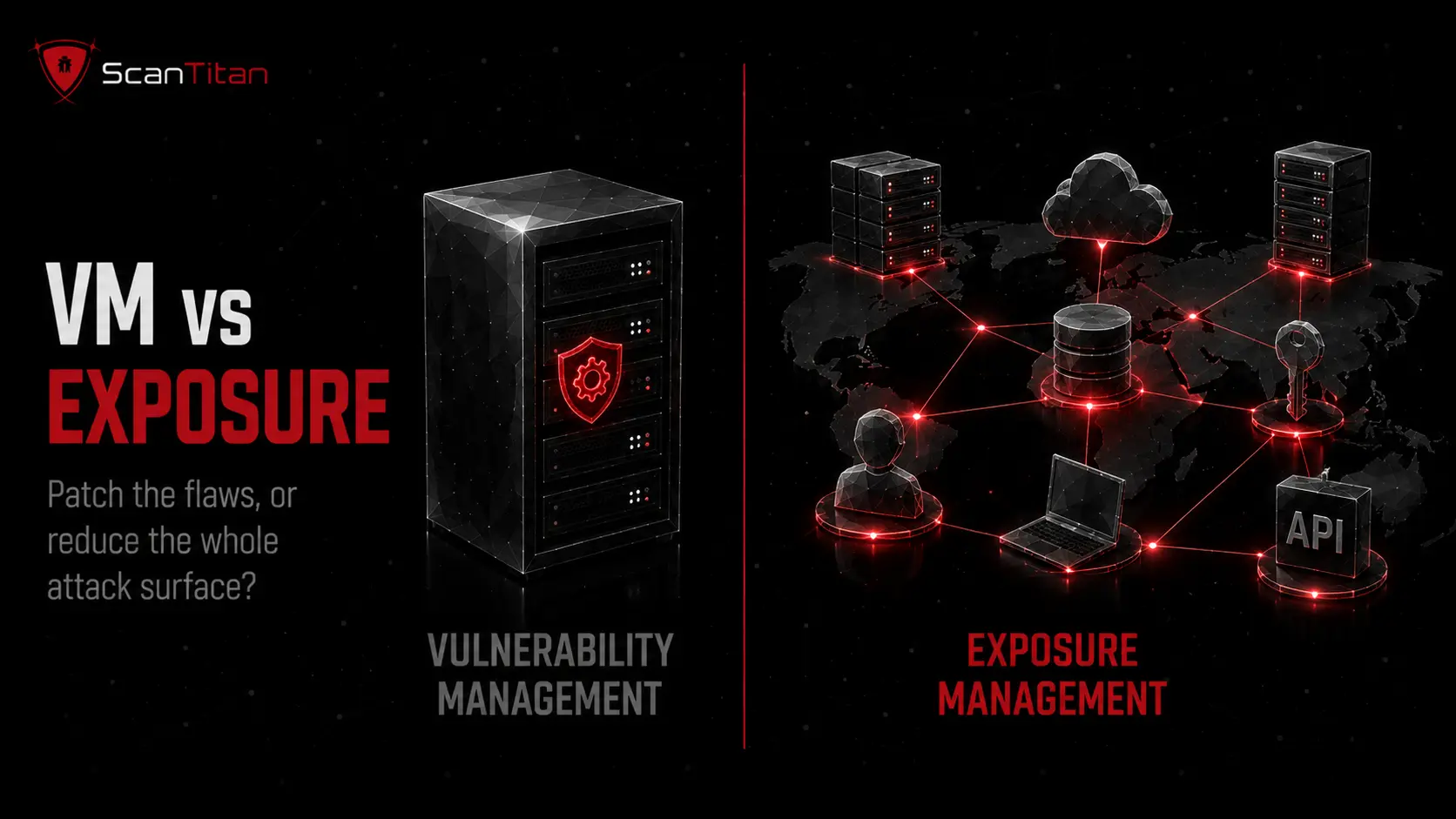
Vulnerability management vs exposure management comes down to one question: are you fixing individual software flaws, or reducing everything an attacker could actually use to get in? Vulnerability management hunts
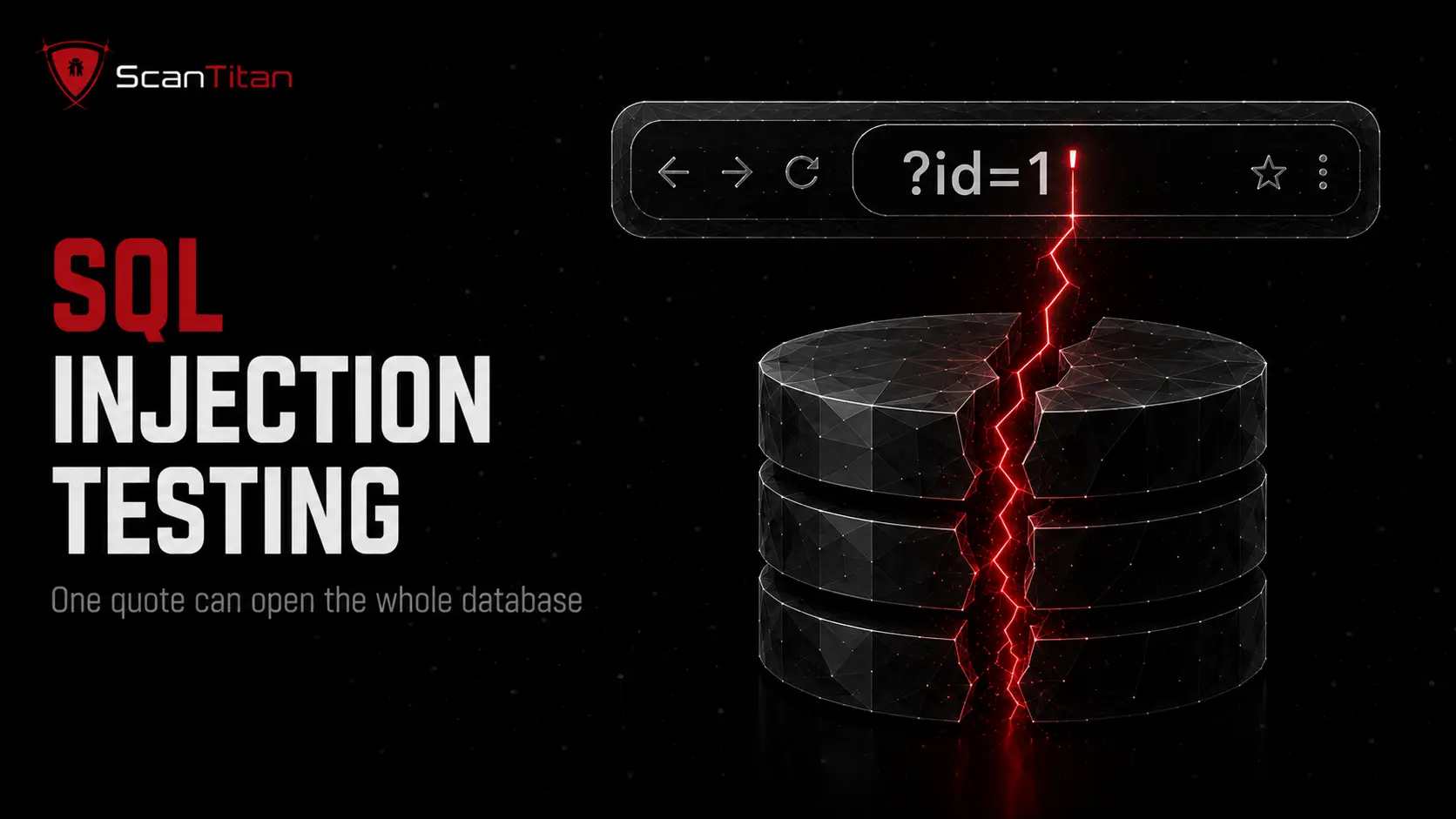
Learning how to test for SQL injection vulnerability by hand is the fastest way to understand one of the most damaging flaws on the web: a single unescaped quote in
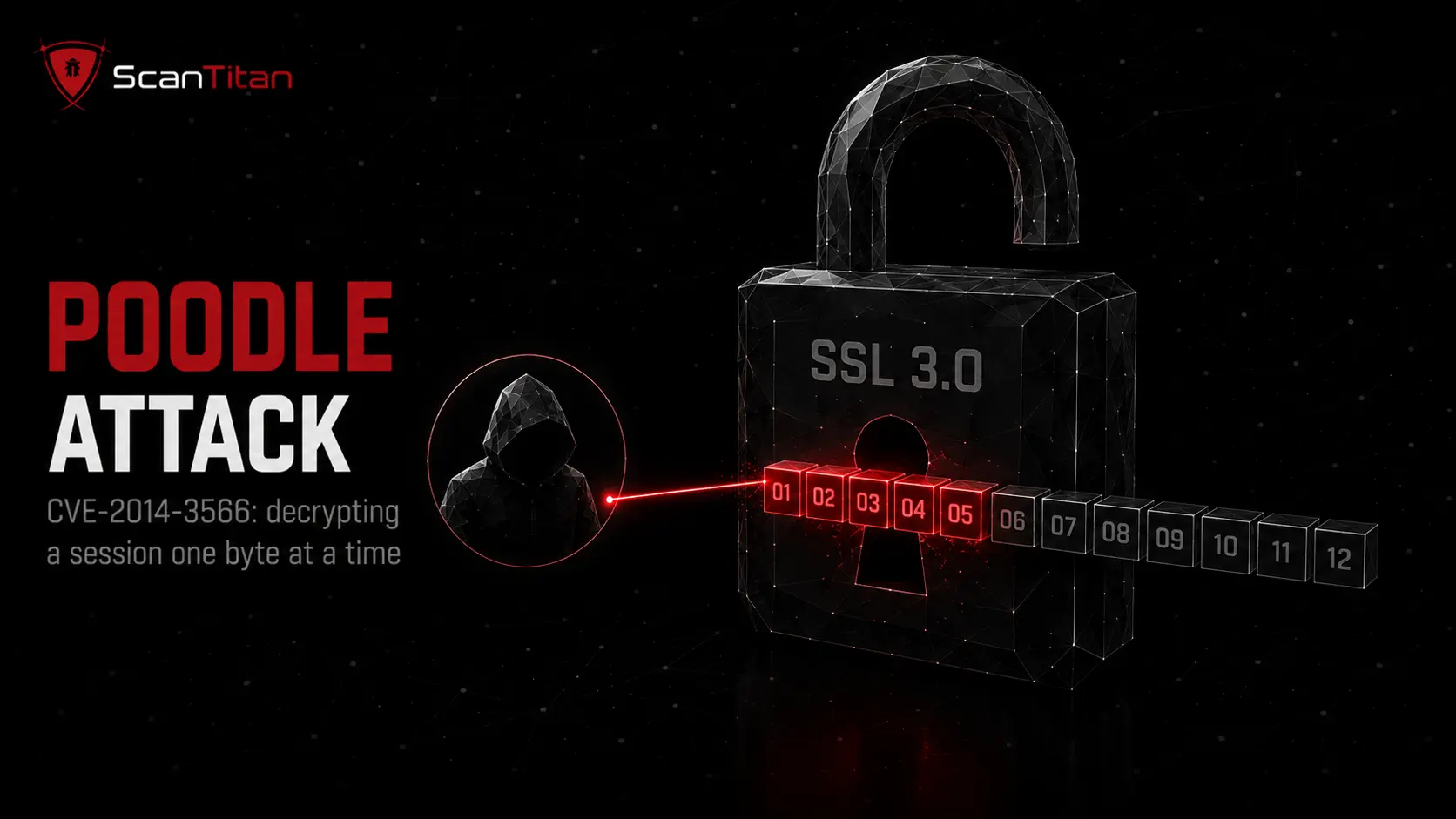
The POODLE vulnerability is a design flaw in SSL 3.0 that lets a man-in-the-middle attacker decrypt small pieces of an encrypted session, one byte at a time, until they recover
An SSL vulnerability is a weakness in Secure Sockets Layer (SSL) or Transport Layer Security (TLS) protocols, cryptographic software, certificates, or server configuration that can expose traffic that should be
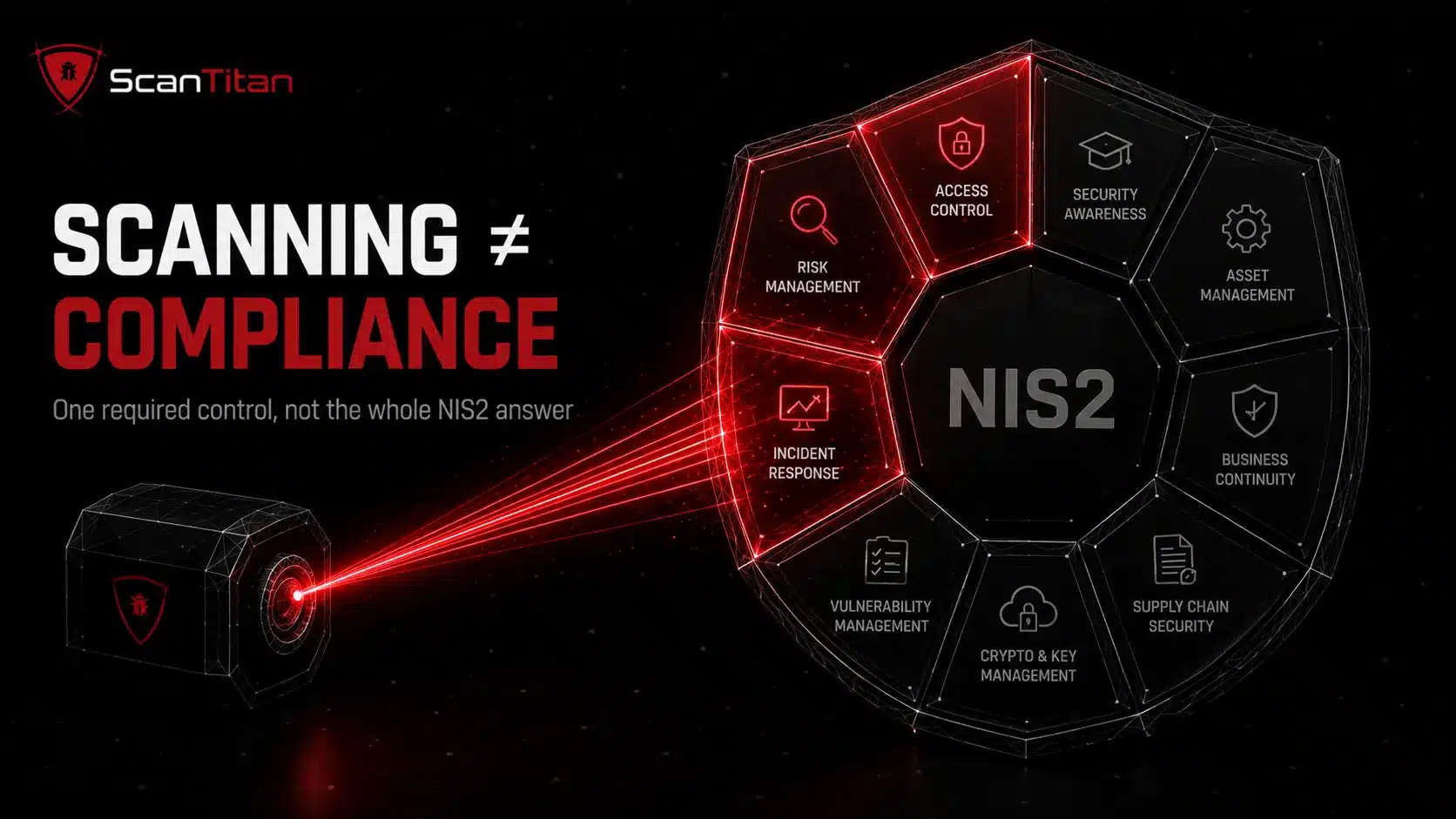
Can vulnerability scanning ensure NIS2 compliance? No, and any vendor promising otherwise is selling a false sense of safety. Vulnerability scanning is a required technical control under the NIS2 Directive
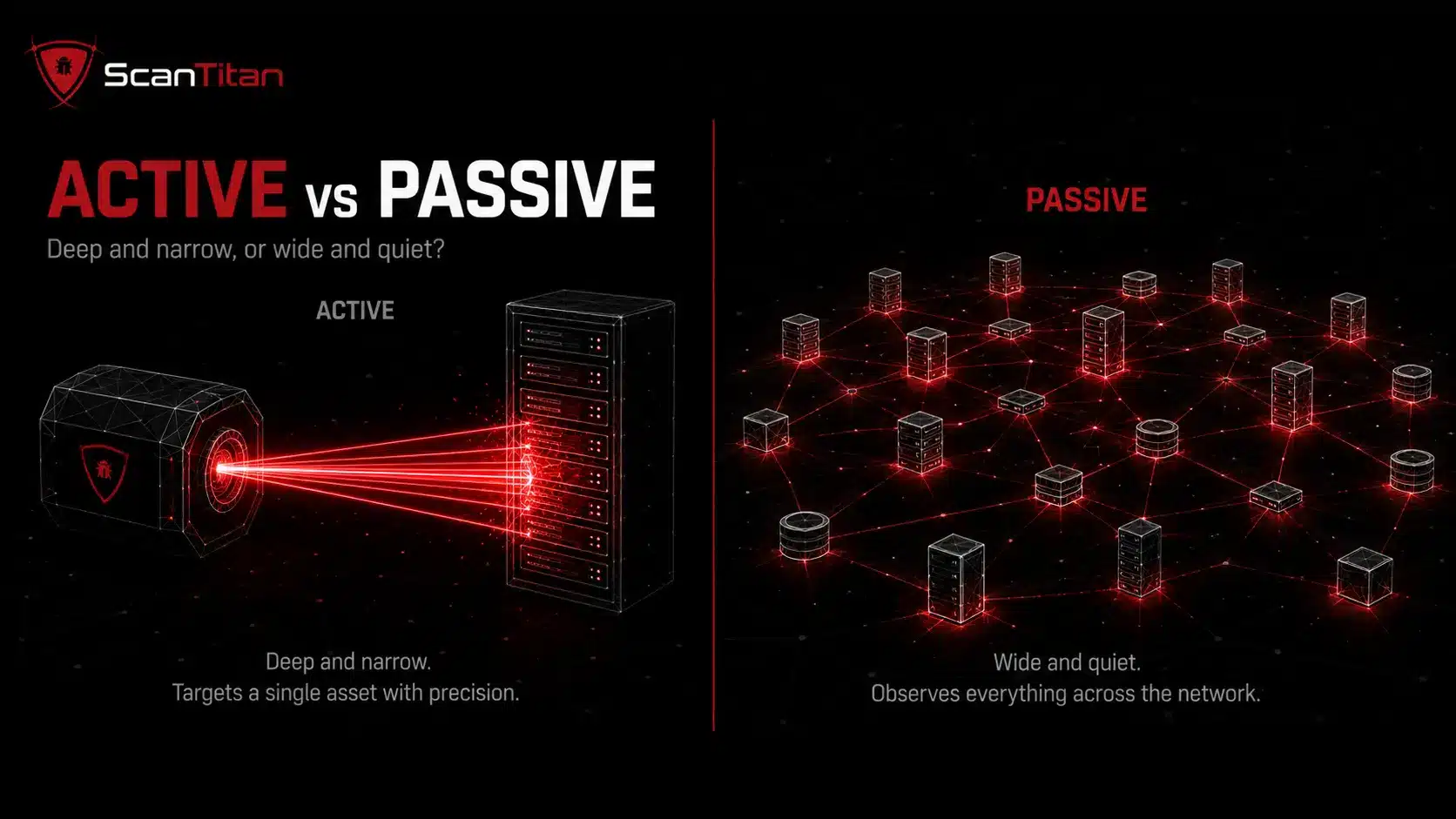
Active vs passive vulnerability scanning comes down to how the scanner looks for weaknesses. Active scanning sends probes and test traffic to your systems and reads the responses, going deep
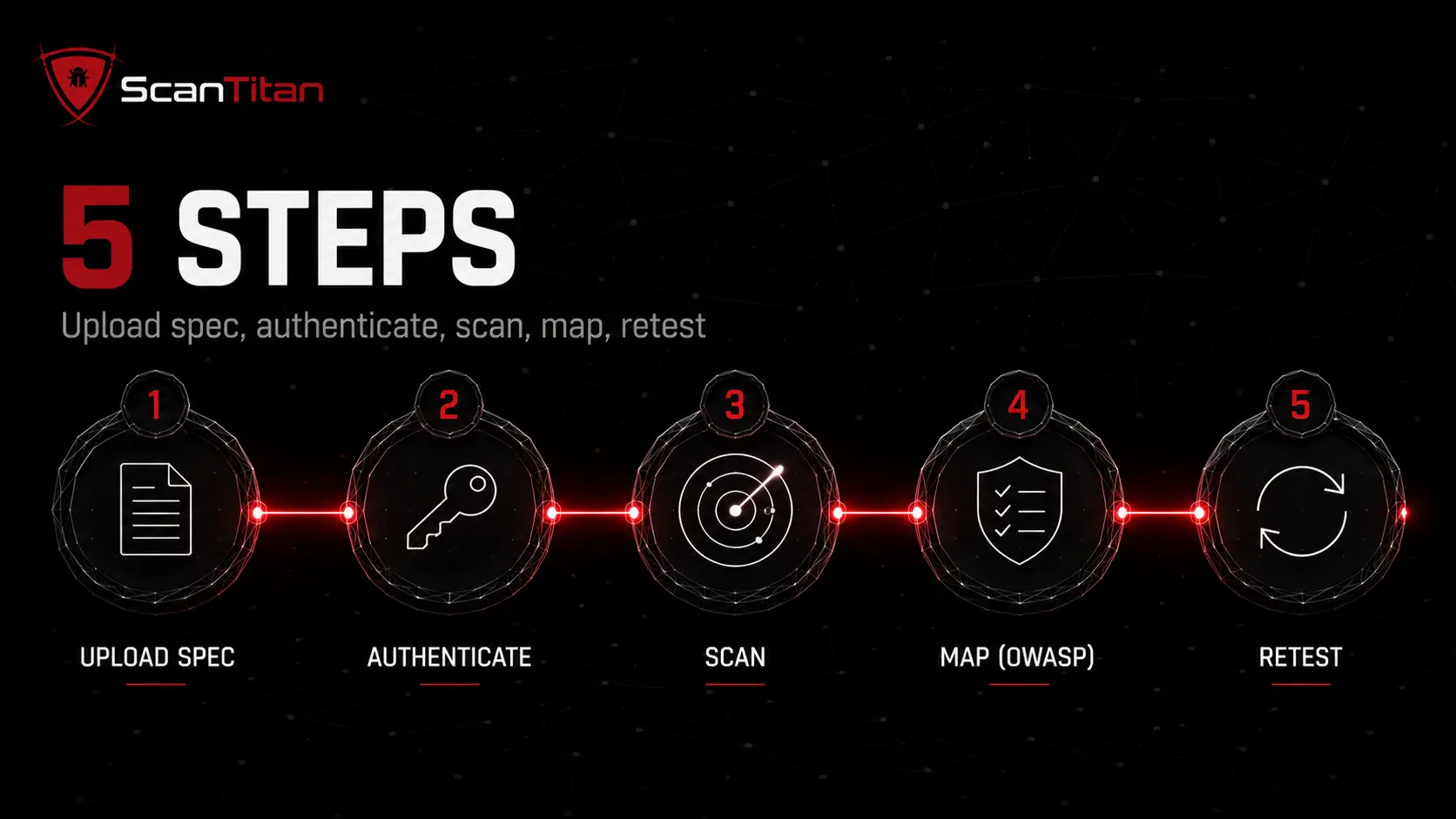
To scan an API for vulnerabilities, you discover every endpoint, feed the scanner an OpenAPI or Swagger definition, authenticate it with the right API key, OAuth, or JWT token, run
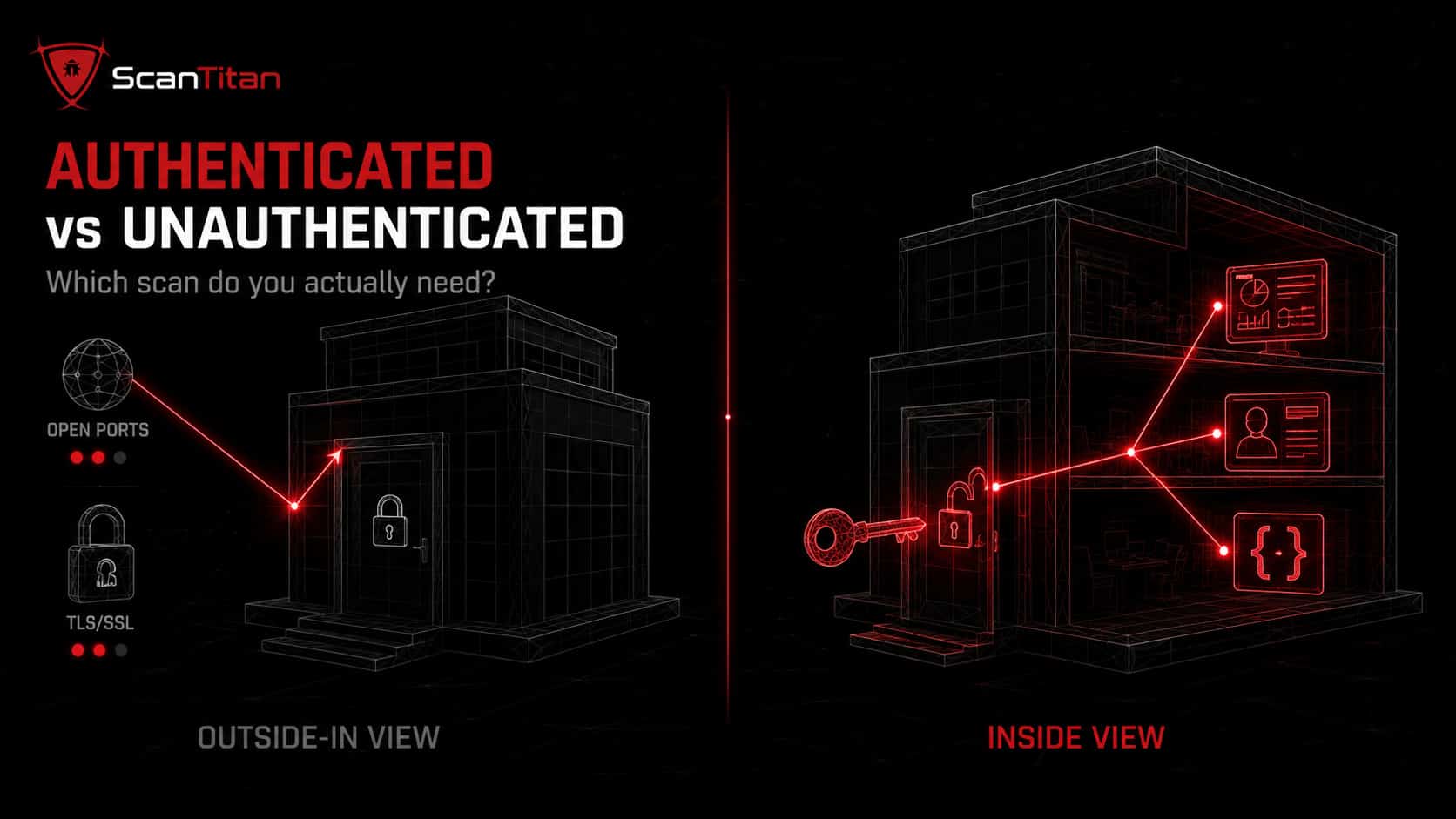
The difference between an authenticated scan and an unauthenticated scan comes down to one thing: whether the scanner logs in. An unauthenticated scan probes your system from the outside like
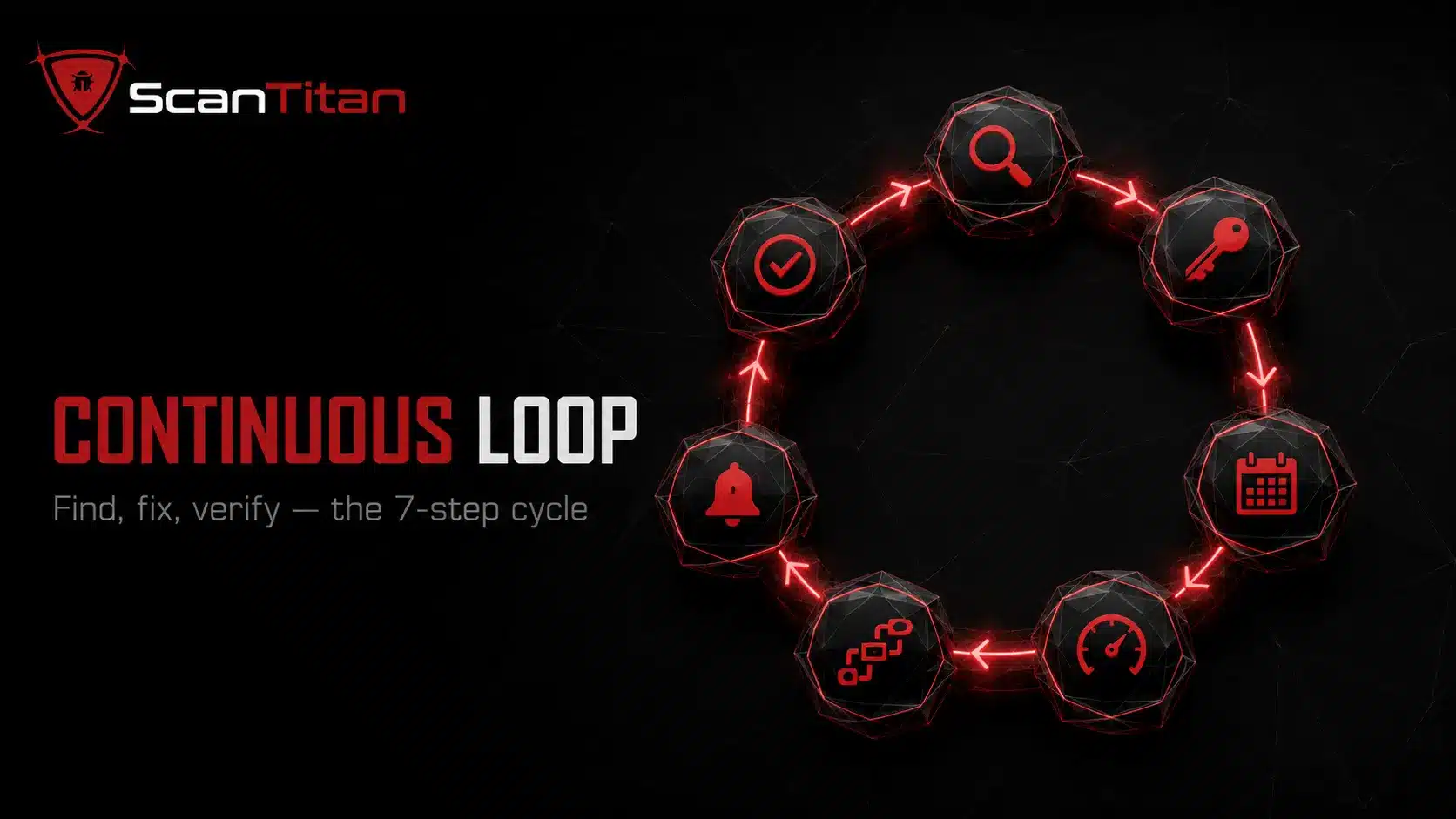
Continuous vulnerability scanning checks assets automatically on a recurring and event-driven basis so new weaknesses do not wait for the next quarterly review. If you want to know how to
A vulnerability assessment in cyber security is a systematic process that finds, ranks, and reports the security weaknesses across your websites, networks, and systems before an attacker exploits them. Think
Checking a website for vulnerabilities manually means testing it by hand, the way an attacker would, instead of relying only on an automated scanner. You probe inputs, read HTTP responses,
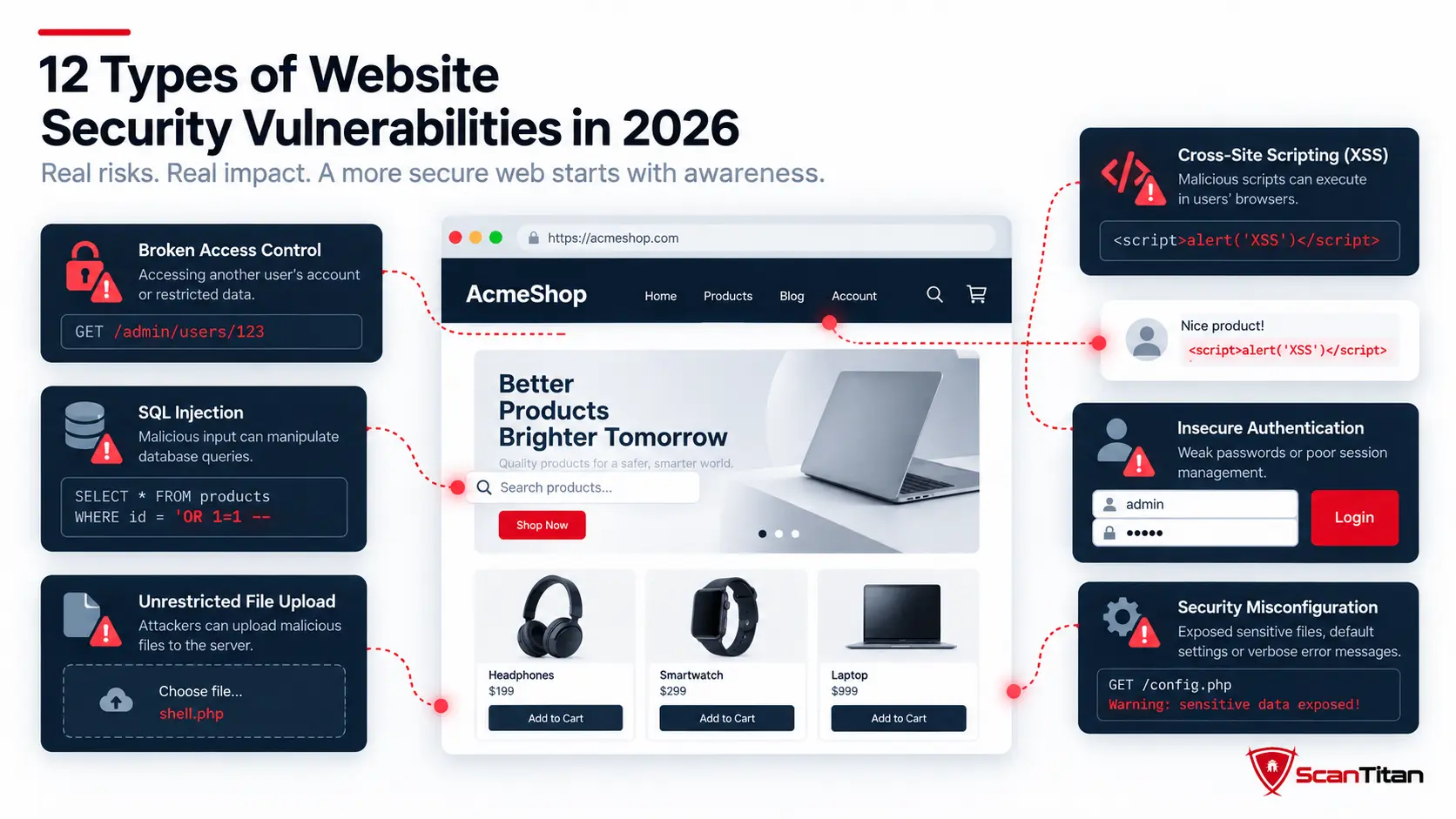
Types of website security vulnerabilities are easier to understand when you separate the broad cybersecurity taxonomy from the weaknesses that actually affect a public web application. That distinction matters in
Choosing between vulnerability scanning vs penetration testing trips up a lot of teams, and picking the wrong one either wastes budget or leaves real holes open. A vulnerability scan is
Vulnerabilities in cyber security are weaknesses in software, hardware, configuration, or human process that an attacker can exploit to gain unauthorized access, steal data, or disrupt operations, and the problem
This guide will tell you how to monitor your website availability and uptime by using ScanTitan free online website monitor. As the world evolves today, websites become an increasingly vital
This guide will tell you how to scan your website against malware which includes viruses, webshells, malicious javascript and others by using ScanTitan free website malware scanner. What is website
This guide will tell you how to find your website security vulnerabilities and weakness by using ScanTitan free online vulnerability scanner. What is website vulnerability? According to research, it has
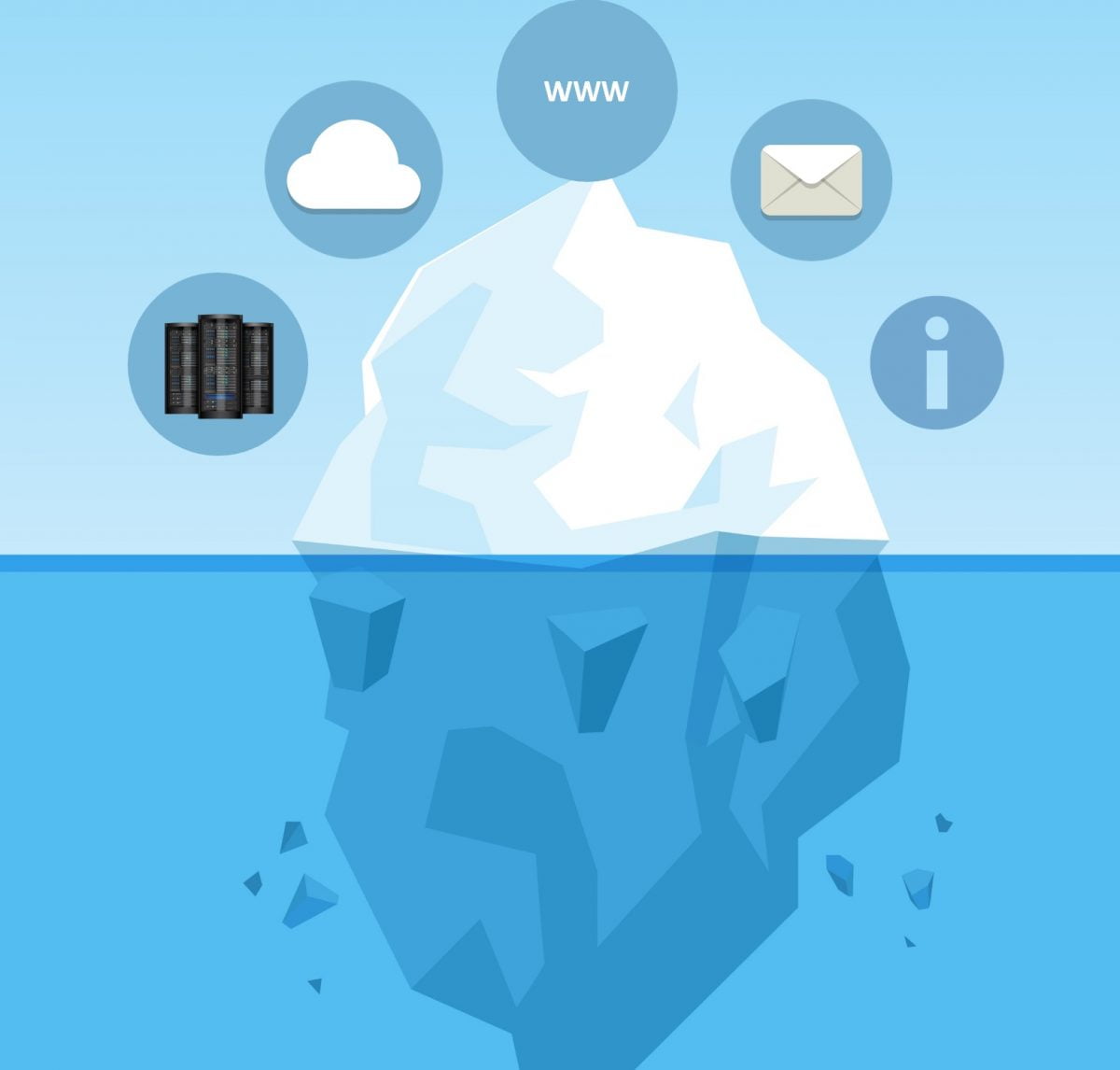
This guide will tell you how to reduce your website and online services attack surface by finding your security exposures using ScanTitan free online vulnerability scanner. What is website security
This guide will tell you how to know your network exposure and running services on your edge device like a firewall or router and how to monitor network exposure using
This article will guide you on how to monitor your cyber brand security using ScanTitan cyber brand monitoring to prevent digital image issues, traffic drops, and your customer trust loss.
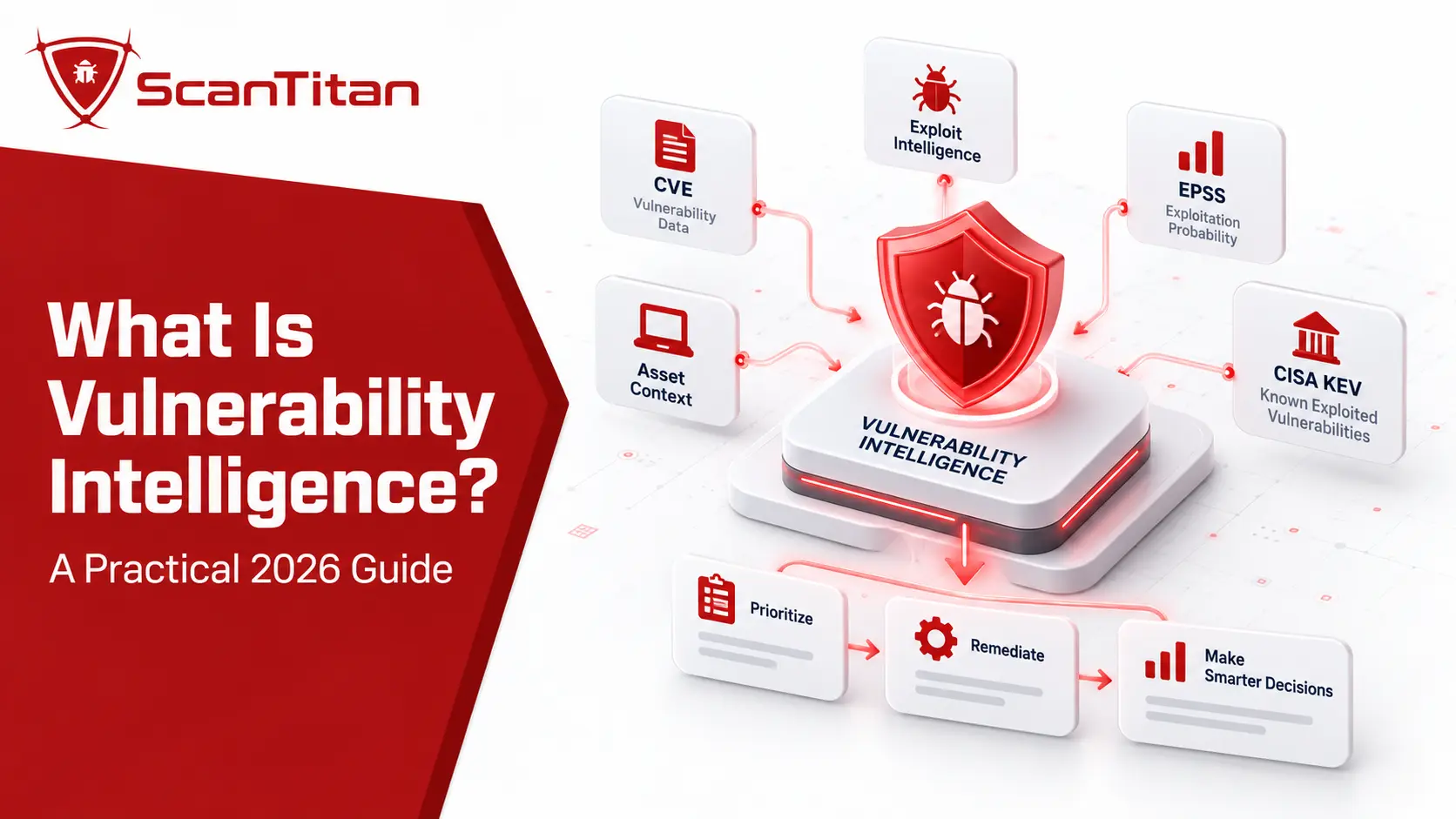
Vulnerability intelligence is the process of turning raw vulnerability data into decisions about what to fix first. It combines CVE records with exploit activity, technical severity, affected products, patch status,
This guide will tell you what is cyber threat intelligence and how it is important to identify relevant threats of your business using ScanTitan Threat Intelligence platform. What is Threat
This guide will tell you how to monitor your website availability and uptime by using ScanTitan free online website monitor. As the world evolves today, websites become an increasingly vital
This guide will tell you how to scan your website against malware which includes viruses, webshells, malicious javascript and others by using ScanTitan free website malware scanner. What is website
This guide will tell you how to find your website security vulnerabilities and weakness by using ScanTitan free online vulnerability scanner. What is website vulnerability? According to research, it has
This guide will tell you how to reduce your website and online services attack surface by finding your security exposures using ScanTitan free online vulnerability scanner. What is website security
This guide will tell you how to know your network exposure and running services on your edge device like a firewall or router and how to monitor network exposure using
This article will guide you on how to monitor your cyber brand security using ScanTitan cyber brand monitoring to prevent digital image issues, traffic drops, and your customer trust loss.
Vulnerability intelligence is the process of turning raw vulnerability data into decisions about what to fix first. It combines CVE records with exploit activity, technical severity, affected products, patch status,
This guide will tell you what is cyber threat intelligence and how it is important to identify relevant threats of your business using ScanTitan Threat Intelligence platform. What is Threat
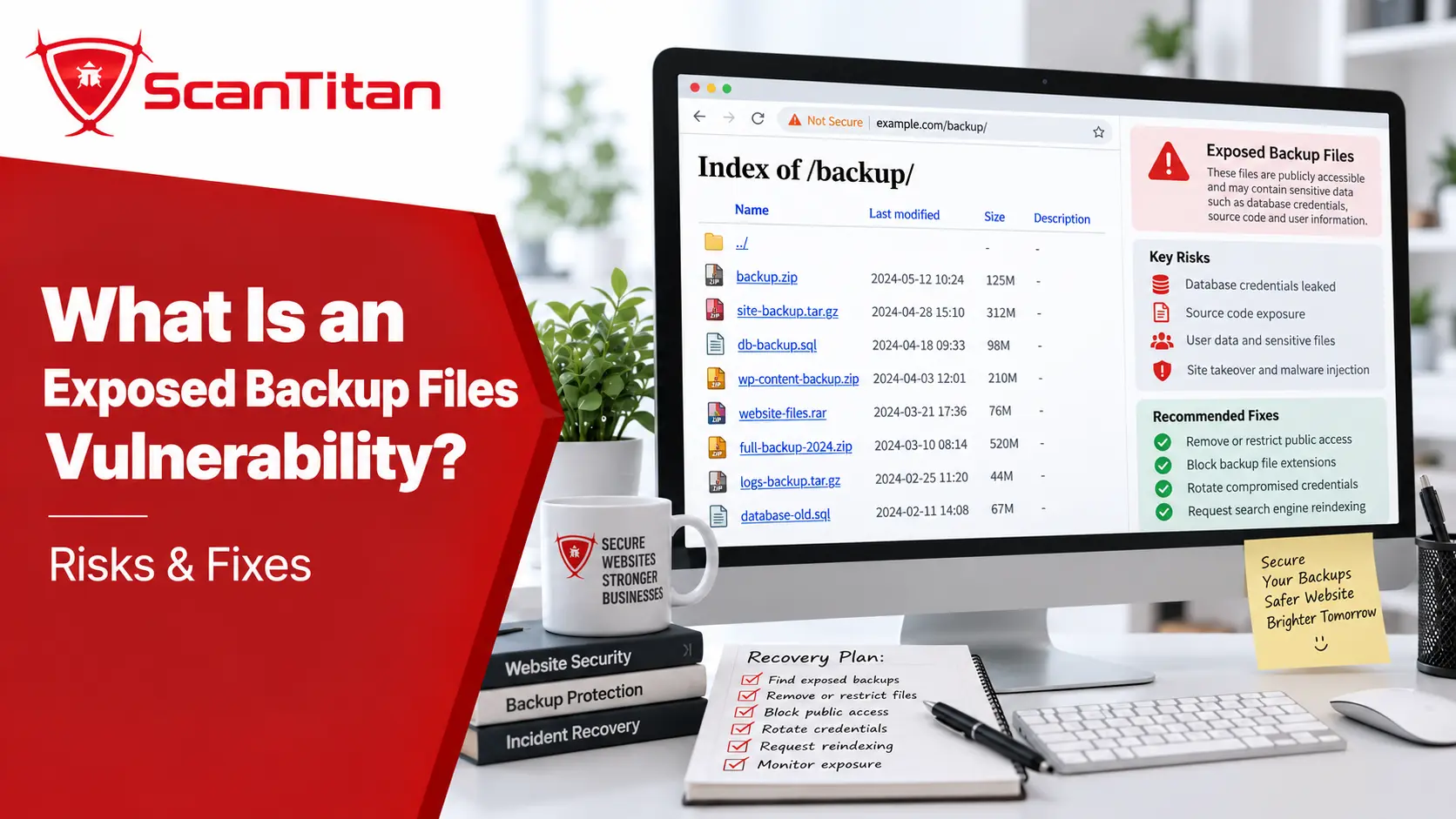
An exposed backup files vulnerability occurs when a backup, database dump, old source-code copy, deployment archive, or editor-generated file is publicly accessible from a web server. Files such as config.php.bak,
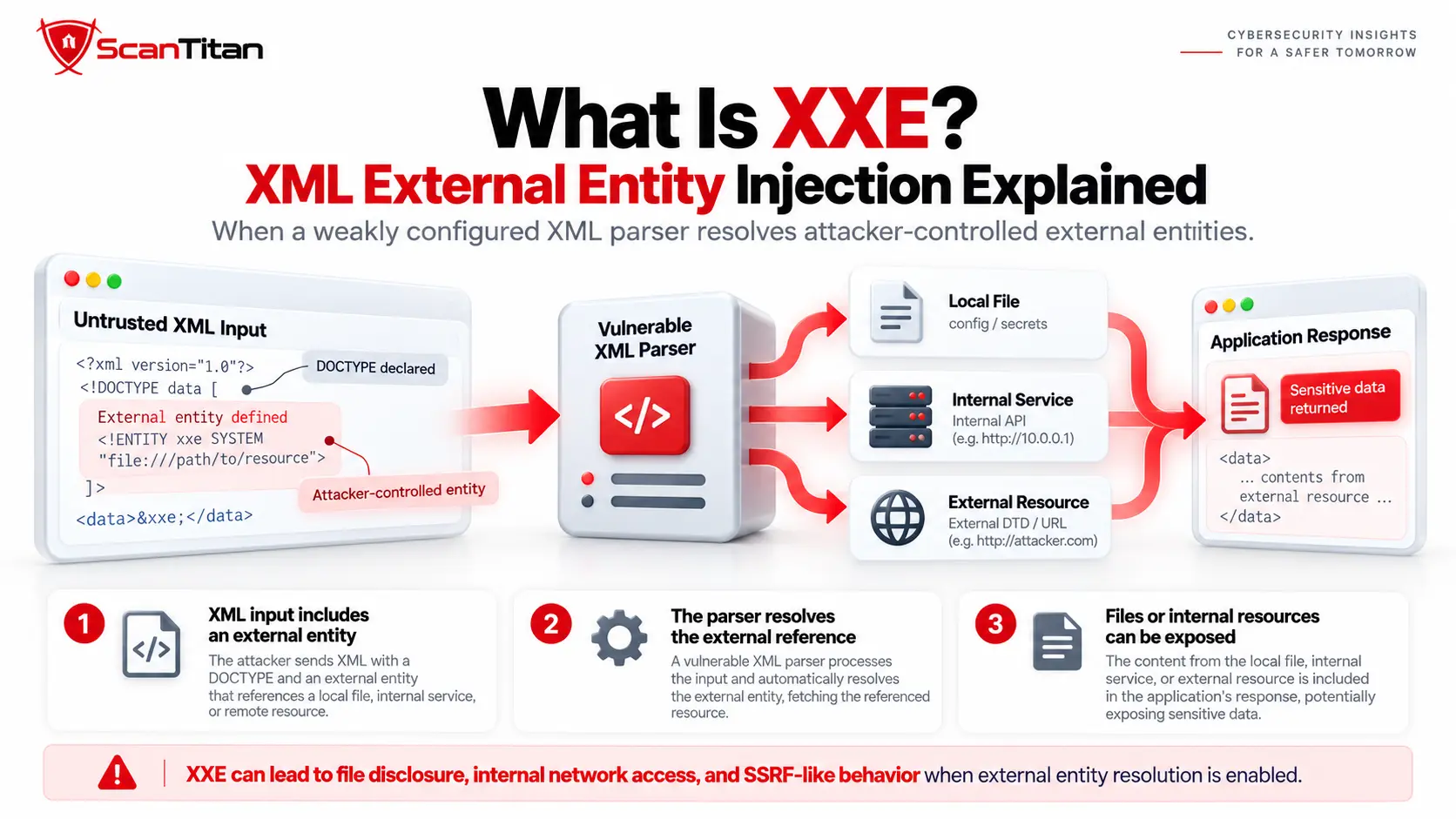
XML External Entity (XXE) Injection is a web security vulnerability in which an application processes attacker-controlled XML with a parser that is allowed to resolve external entities or other external
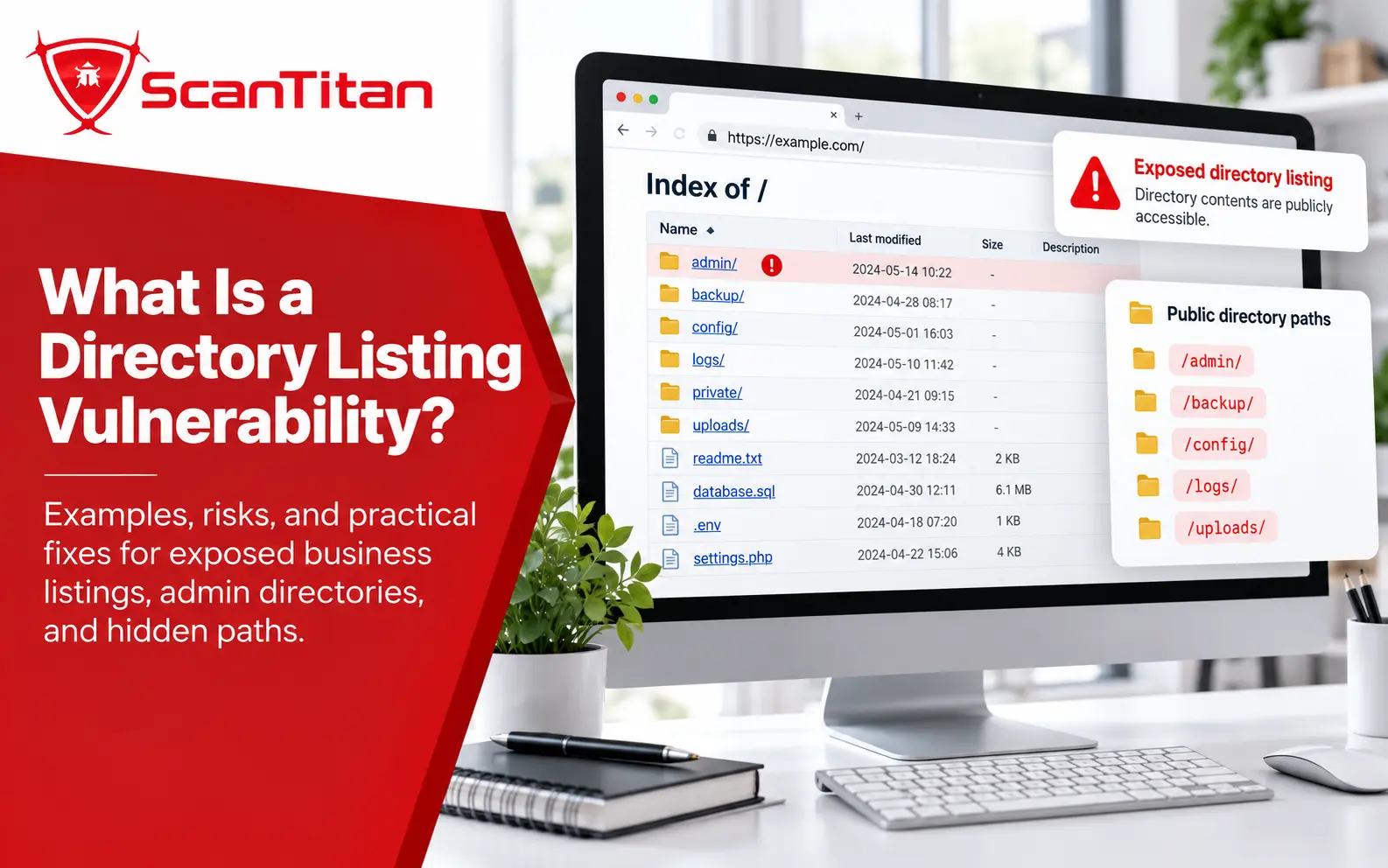
A directory listing vulnerability occurs when a web server exposes a browsable index of files and subdirectories that were not intended to be discovered this way. Instead of returning an
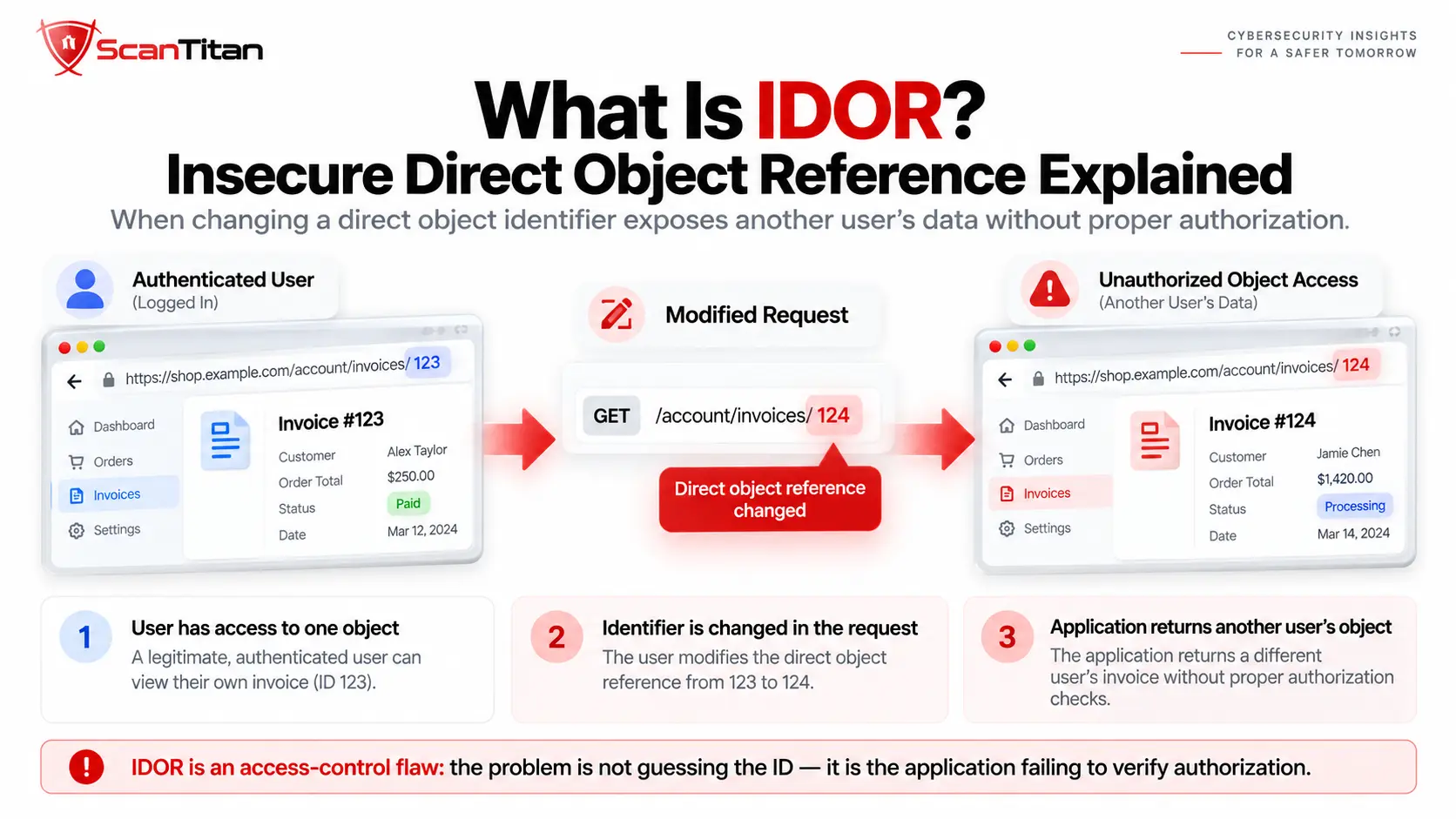
Insecure Direct Object Reference (IDOR) is an access control vulnerability in which an application uses a user-controllable reference to retrieve, change, delete, or otherwise act on an object without verifying
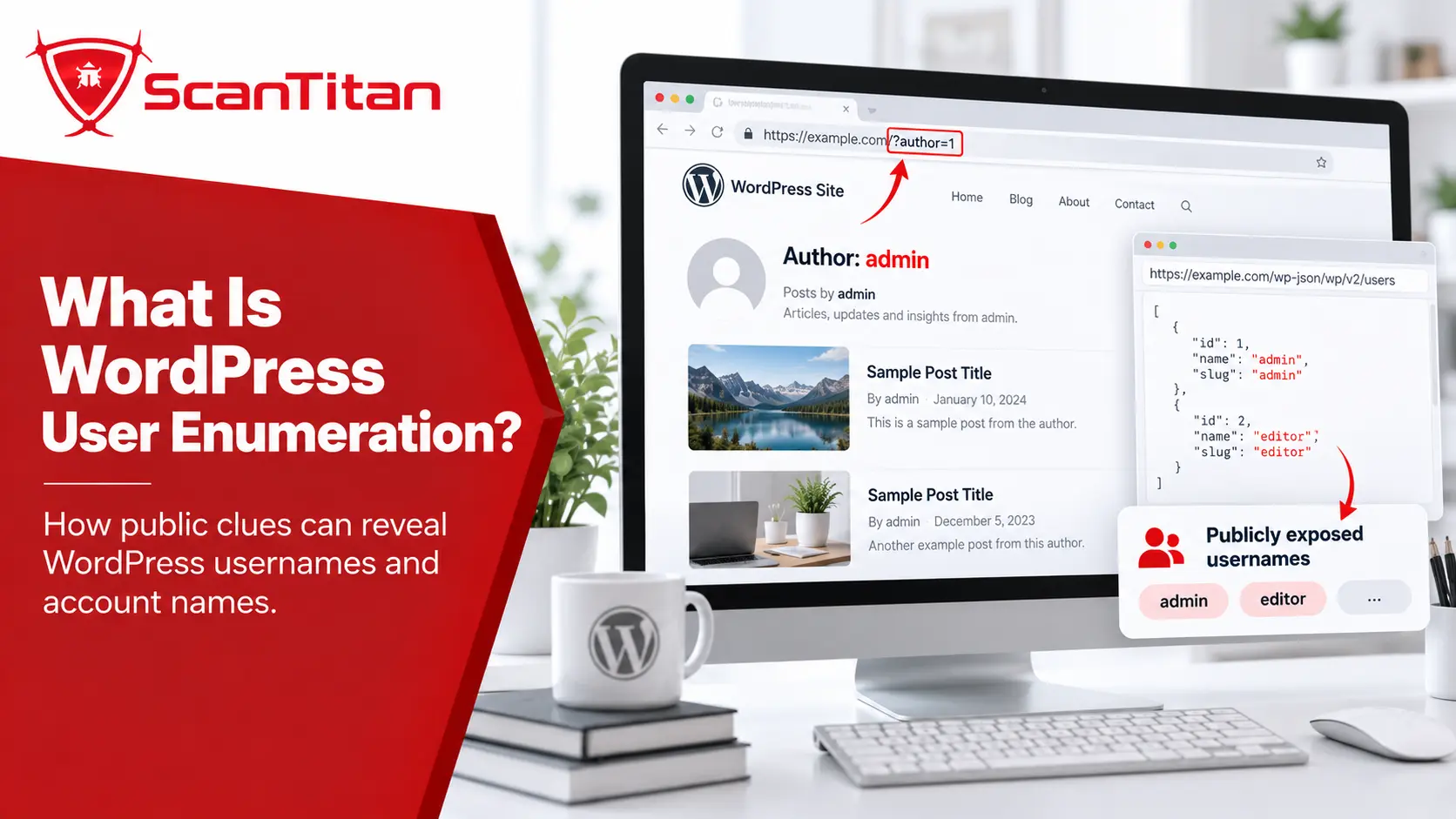
WordPress user enumeration is the process of discovering information that identifies valid WordPress accounts, such as user IDs, display names, author slugs, author URLs, or whether an account exists. WordPress
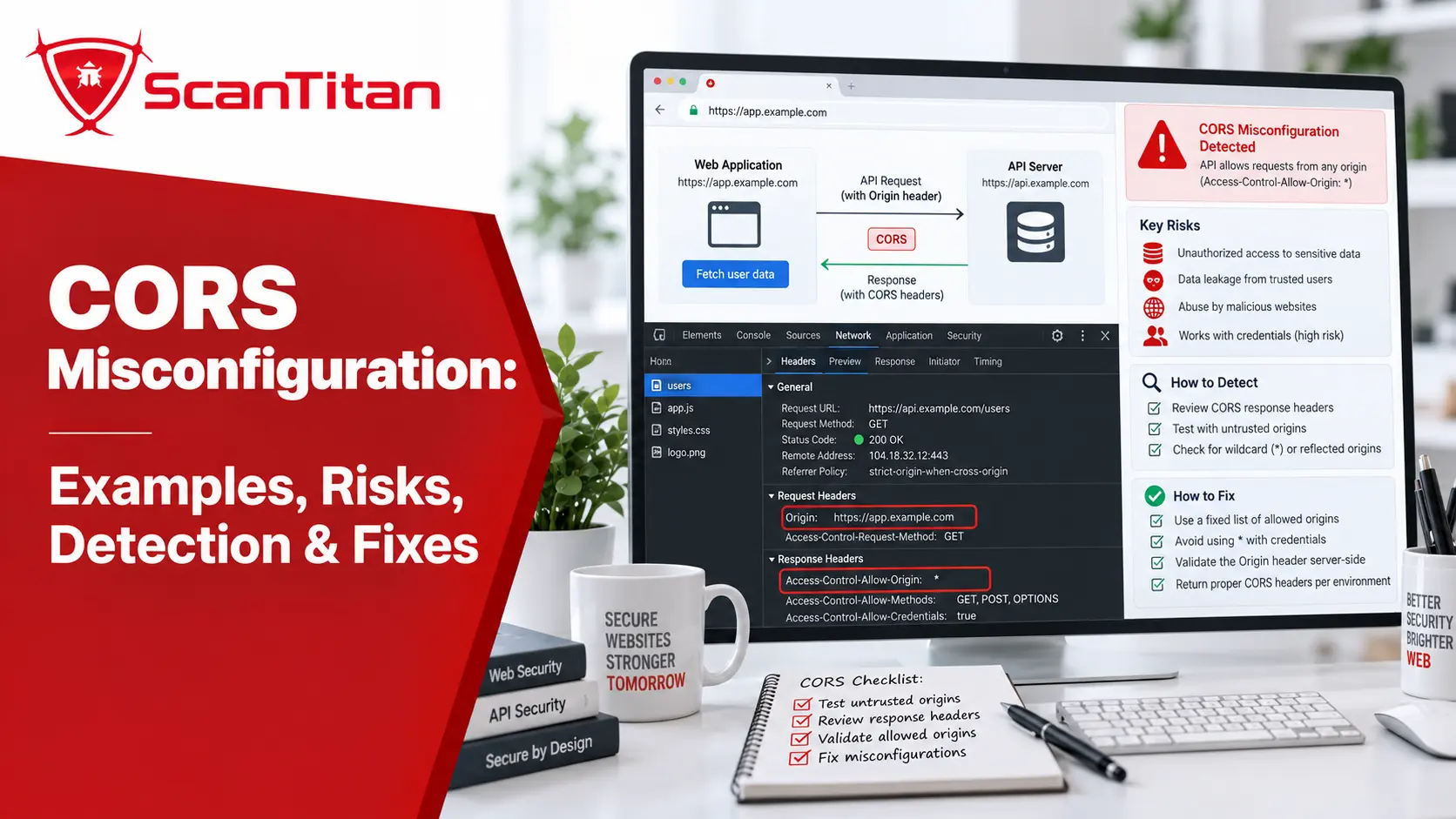
A CORS misconfiguration occurs when a web application allows an untrusted origin to read cross-origin responses that should only be available to trusted websites. Common causes include reflecting arbitrary Origin
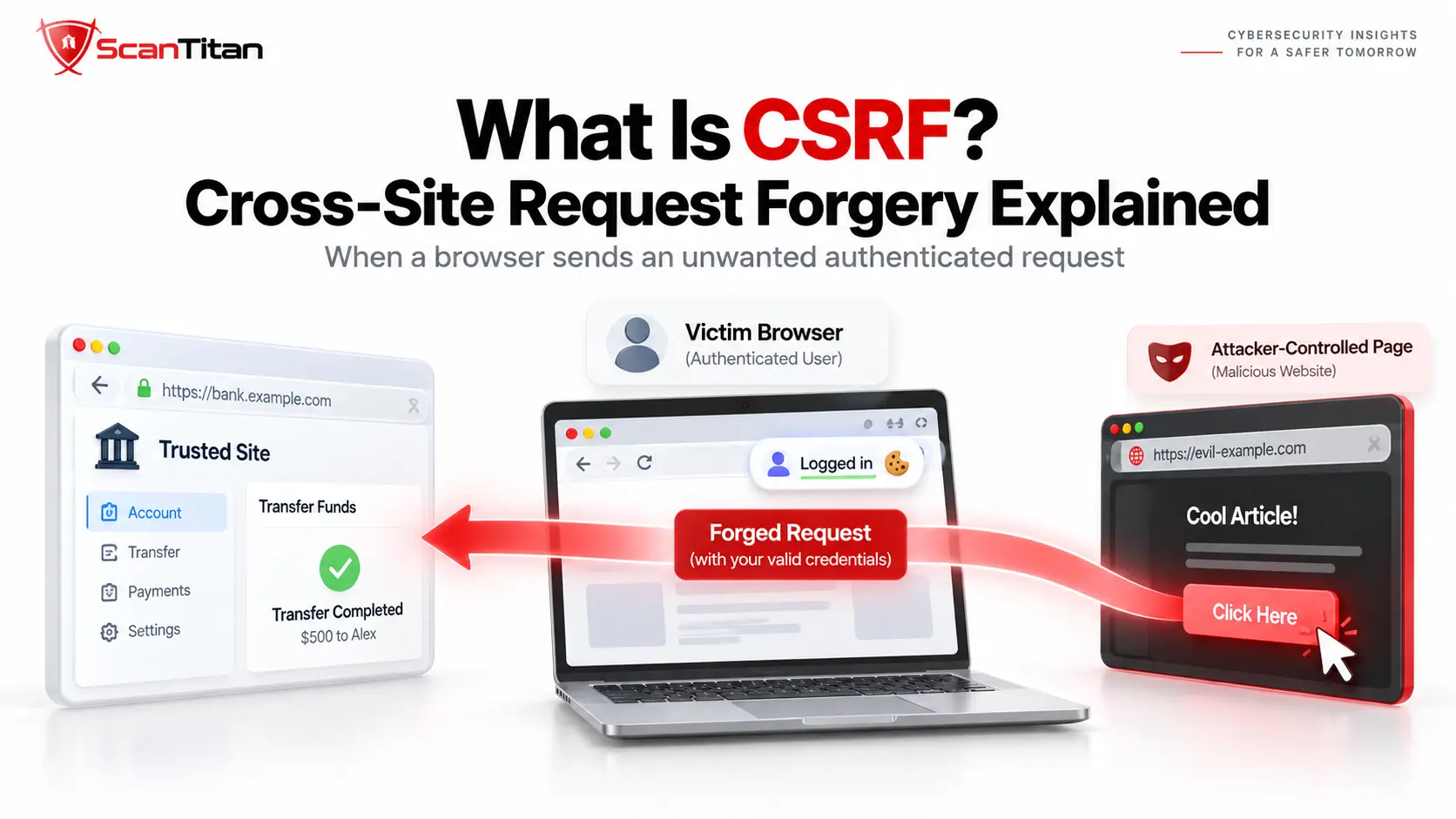
Cross-Site Request Forgery (CSRF) is a web security vulnerability in which an attacker causes a user’s browser to send an unintended request to an application that accepts the user’s automatically
A WordPress pharma hack is a post-compromise SEO spam infection that adds pharmaceutical keywords, links, pages, redirects, or hidden content to a WordPress website without the owner’s permission. It is
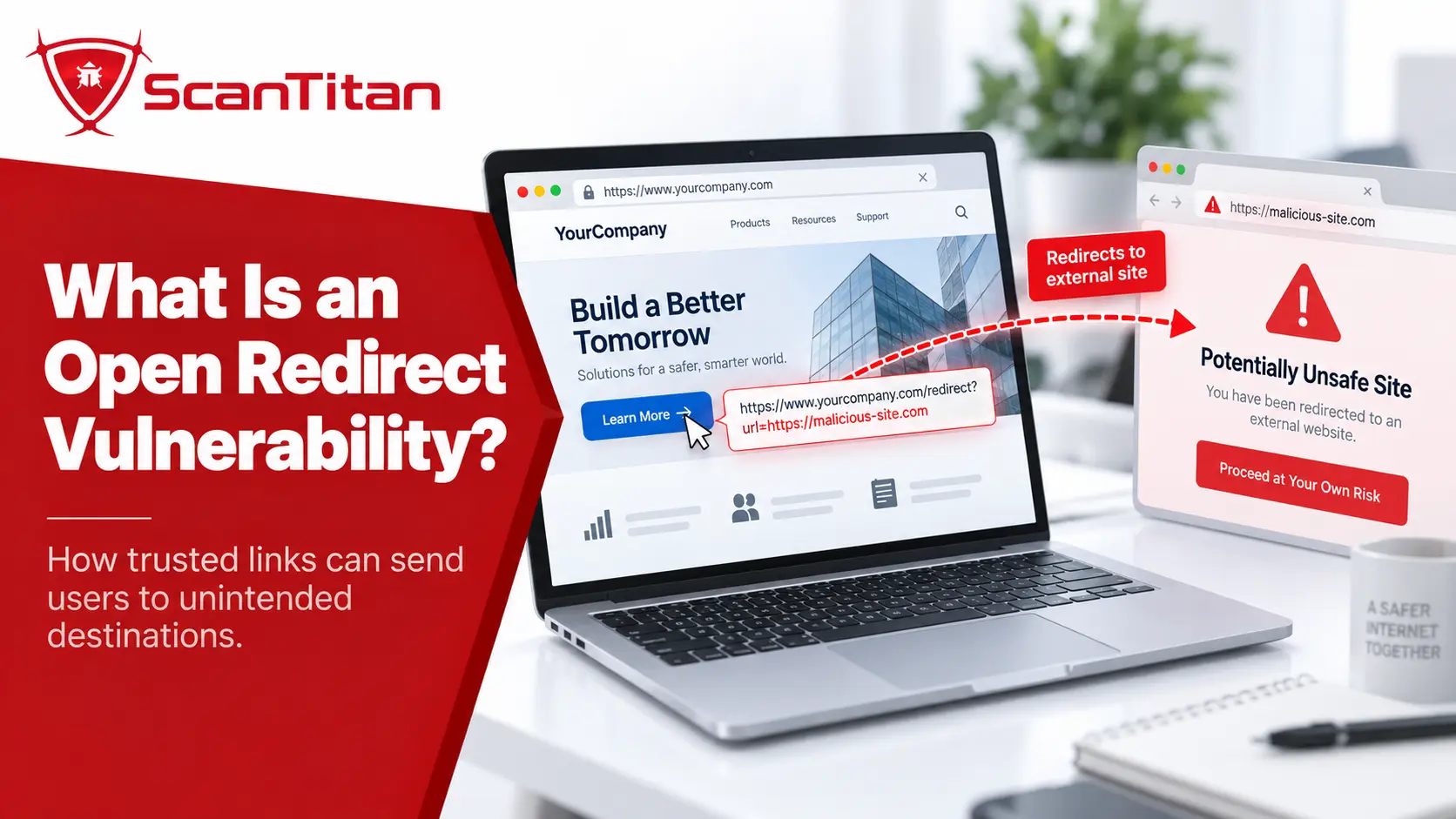
An open redirect vulnerability occurs when a web application lets attacker-controlled input determine where a user is redirected without sufficiently restricting the final destination. An attacker can then create a
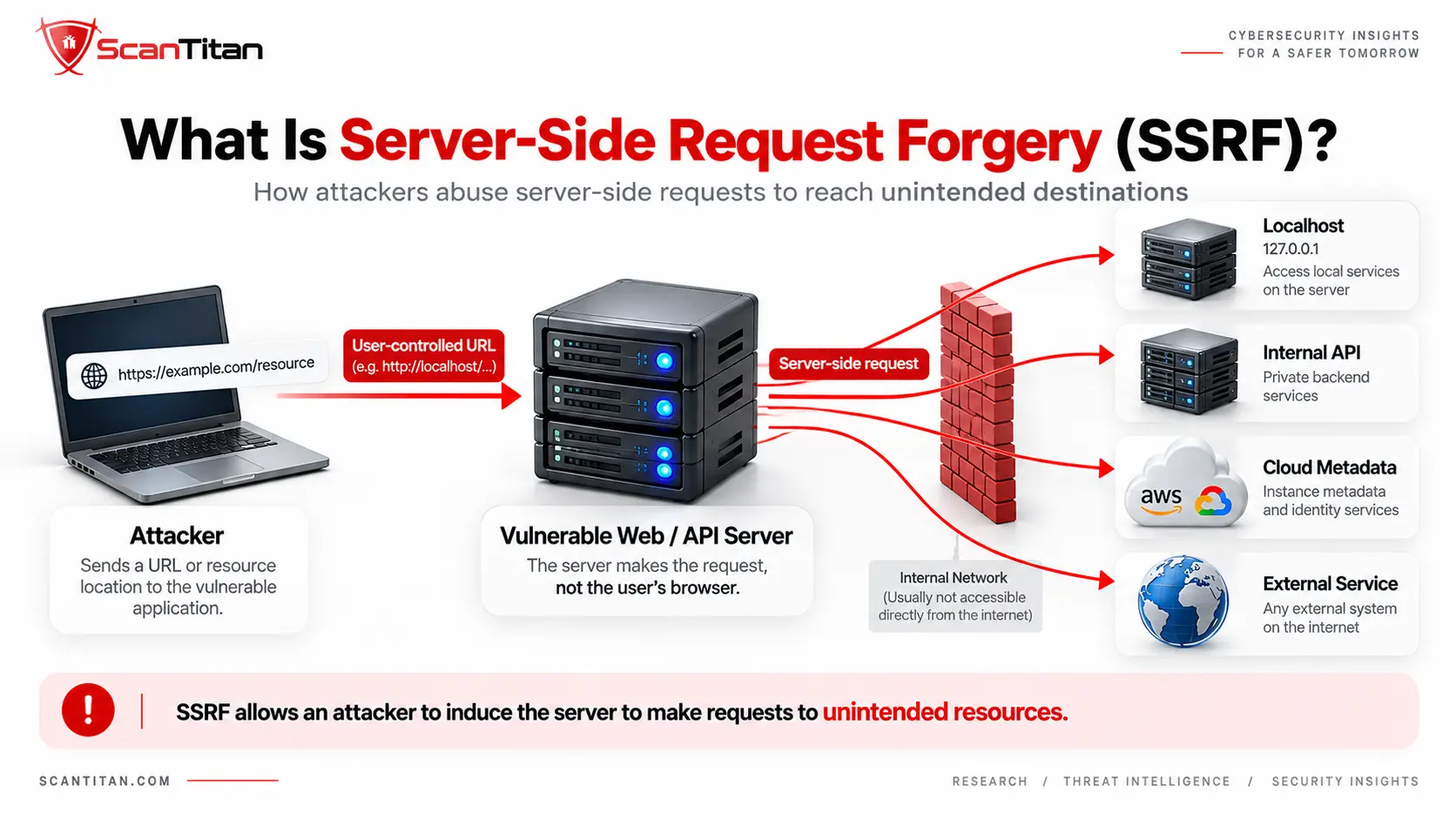
Server-Side Request Forgery (SSRF) is a web application security vulnerability in which attacker-controlled input causes a server-side component to send a network request to an unintended destination. The defining characteristic
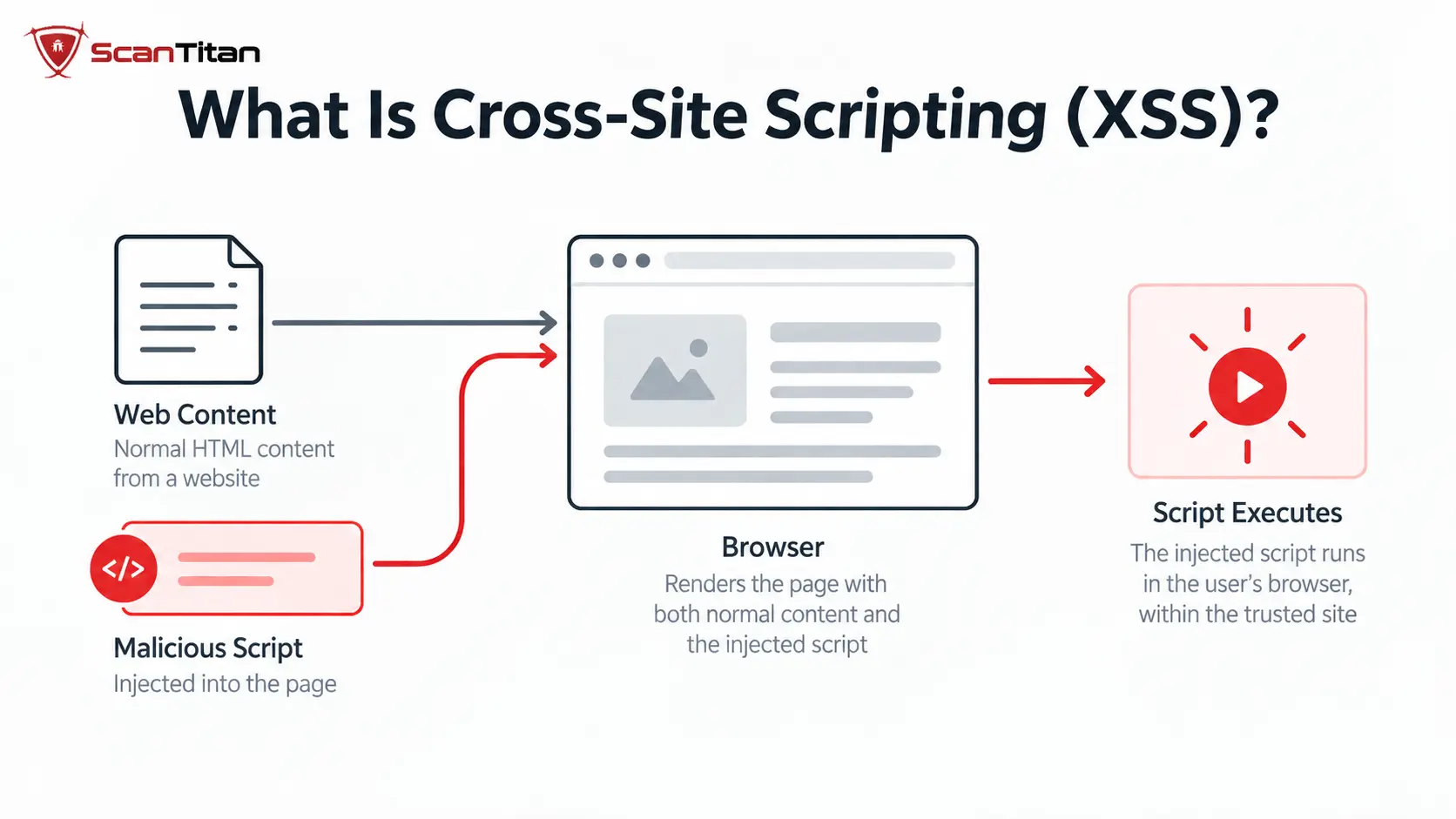
Cross-site scripting (XSS) is a web application vulnerability that allows untrusted data to reach a browser in a context where the browser interprets it as executable code instead of ordinary
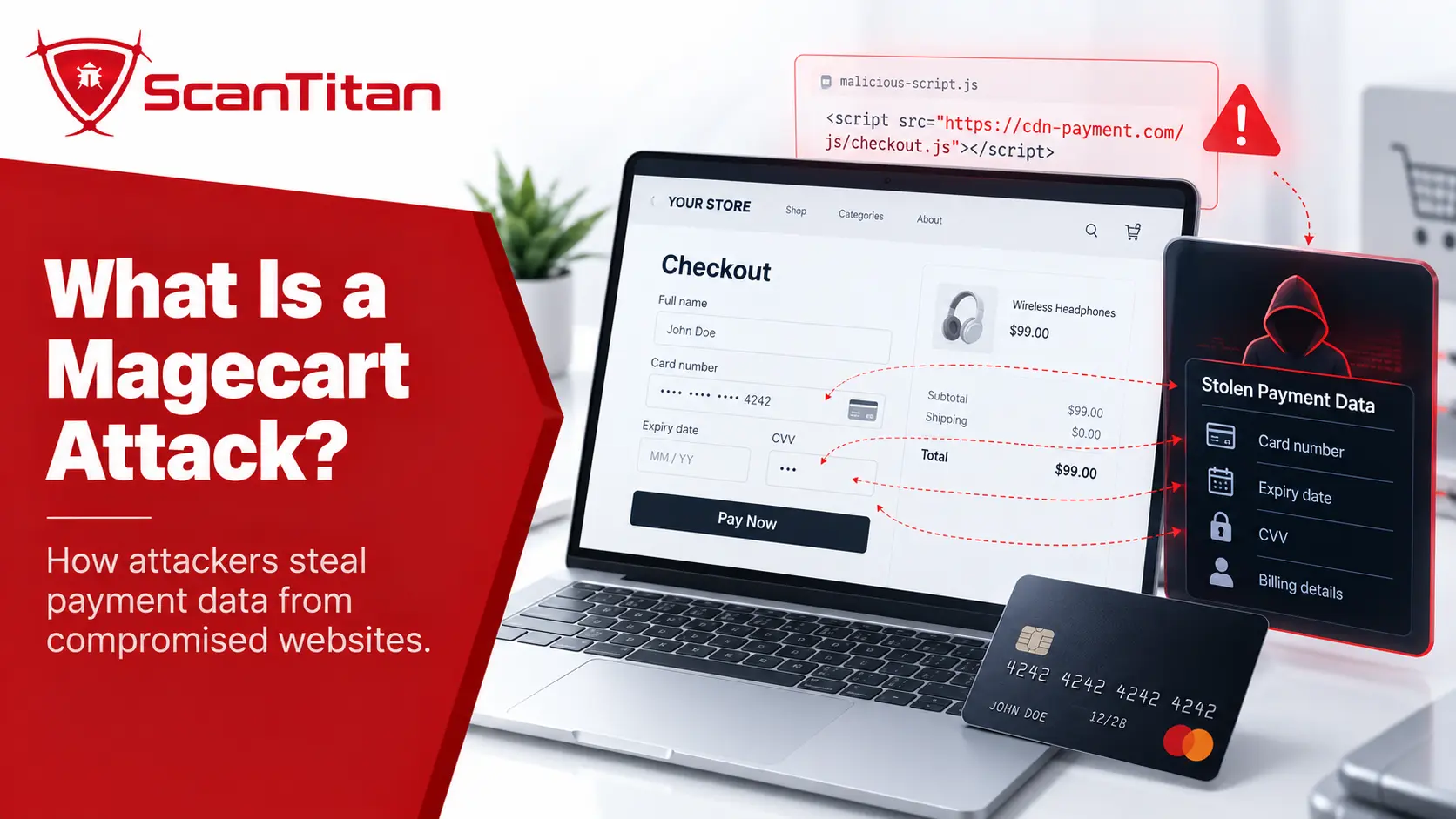
A Magecart attack steals payment and personal data from ecommerce customers by compromising the website, its checkout code, or software that the page trusts. The best-known Magecart technique uses malicious
12+ years in information security. Specialises in web application security, vulnerability management, and external attack surface reduction for SMB and mid-market organisations.
New CVEs, practical guides, and scan methodology updates. One email per week. No sales pitch.
No spam. Unsubscribe any time. GDPR compliant.
Editorial standards: All ScanTitan blog content is reviewed by certified InfoSec professionals before publication. Technical claims are tested against live scan results or cited from primary sources (CVE database, OWASP, NIST NVD). We do not accept sponsored posts or paid placements.
Try a free scan
Run a free vulnerability scan on your domain. No account required.