Website Security Blog: Vulnerability Scanning and Malware Guides
Practical website security guides on vulnerability scanning, malware removal, WordPress, APIs and attack surface management, written by practitioners for teams without a SOC.
Website Security Blog Topics: Scanning, Malware, WordPress and APIs
Each guide explains how an attack or exposure works, how to detect it and how to fix it.
This article will guide you on how to monitor your cyber brand security using ScanTitan cyber brand monitoring to prevent digital image issues, traffic drops, and your customer trust loss.
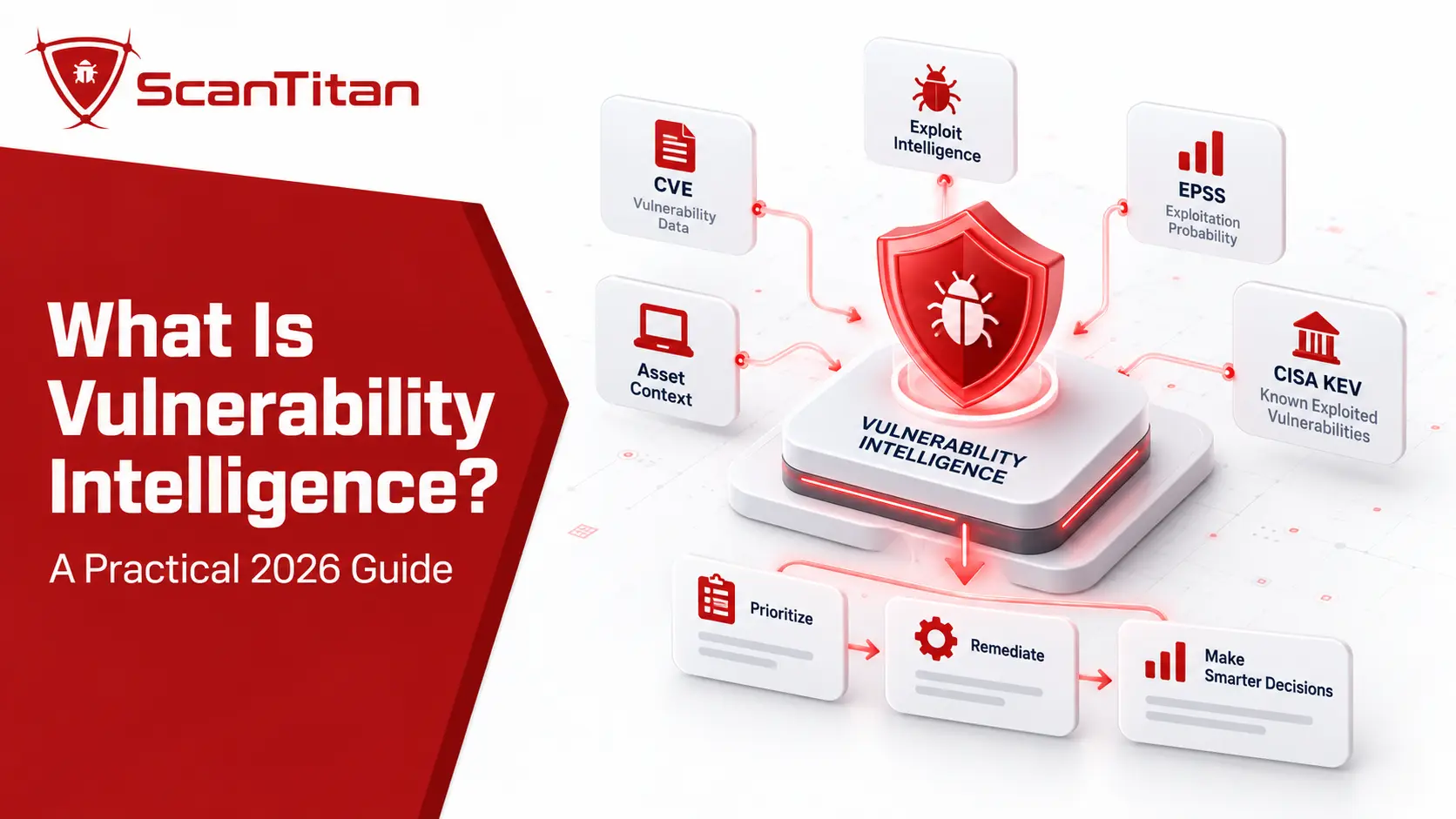
Vulnerability intelligence is the process of turning raw vulnerability data into decisions about what to fix first. It combines CVE records with exploit activity, technical severity, affected products, patch status,
This guide will tell you what is cyber threat intelligence and how it is important to identify relevant threats of your business using ScanTitan Threat Intelligence platform. What is Threat
Archived reportThis digest covers September 2021 and is kept for reference. The details were accurate when it was published and have not been updated. For current data, see our vulnerability
Archived reportThis digest covers August 2021 and is kept for reference. The details were accurate when it was published and have not been updated. For current data, see our vulnerability
Archived reportThis digest covers July 2021 and is kept for reference. The details were accurate when it was published and have not been updated. For current data, see our vulnerability
Archived reportThis digest covers June 2021 and is kept for reference. The details were accurate when it was published and have not been updated. For current data, see our vulnerability
Archived reportThis digest covers May 2021 and is kept for reference. The details were accurate when it was published and have not been updated. For current data, see our vulnerability
Archived reportThis digest covers April 2021 and is kept for reference. The details were accurate when it was published and have not been updated. For current data, see our vulnerability
Archived reportThis digest covers March 2021 and is kept for reference. The details were accurate when it was published and have not been updated. For current data, see our vulnerability
Archived reportThis digest covers February 2021 and is kept for reference. The details were accurate when it was published and have not been updated. For current data, see our vulnerability
Archived reportThis digest covers January 2021 and is kept for reference. The details were accurate when it was published and have not been updated. For current data, see our vulnerability
Archived reportThis digest covers December 2020 and is kept for reference. The details were accurate when it was published and have not been updated. For current data, see our vulnerability
Archived reportThis digest covers November 2020 and is kept for reference. The details were accurate when it was published and have not been updated. For current data, see our vulnerability
Archived reportThis digest covers October 2020 and is kept for reference. The details were accurate when it was published and have not been updated. For current data, see our vulnerability
Archived reportThis digest covers October 2020 and is kept for reference. The details were accurate when it was published and have not been updated. For current data, see our vulnerability
Archived reportThis digest covers September 2020 and is kept for reference. The details were accurate when it was published and have not been updated. For current data, see our vulnerability
Archived reportThis digest covers July 2020 and is kept for reference. The details were accurate when it was published and have not been updated. For current data, see our vulnerability
Archived reportThis digest covers June 2020 and is kept for reference. The details were accurate when it was published and have not been updated. For current data, see our vulnerability
Archived reportThis digest covers May 2020 and is kept for reference. The details were accurate when it was published and have not been updated. For current data, see our vulnerability
Archived reportThis digest covers April 2020 and is kept for reference. The details were accurate when it was published and have not been updated. For current data, see our vulnerability
Archived reportThis digest covers March 2020 and is kept for reference. The details were accurate when it was published and have not been updated. For current data, see our vulnerability
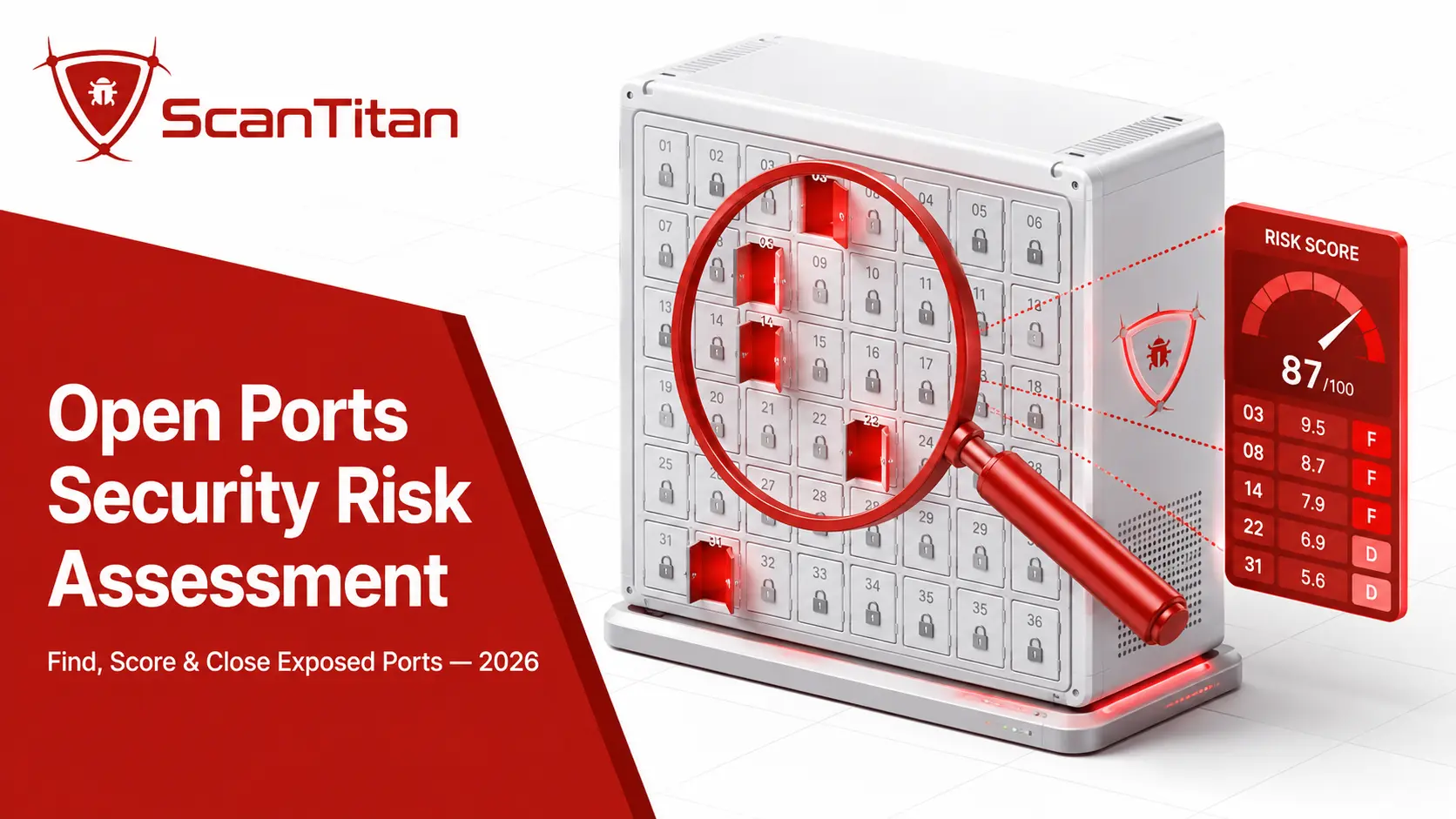
An open ports security risk assessment is the process of finding every internet-facing port, identifying the service behind it, and scoring how likely an attacker is to exploit it. Not
The port 445 vulnerability is the security risk of exposing Server Message Block (SMB) traffic, which runs over TCP port 445, to an untrusted network. Attackers target port 445 for
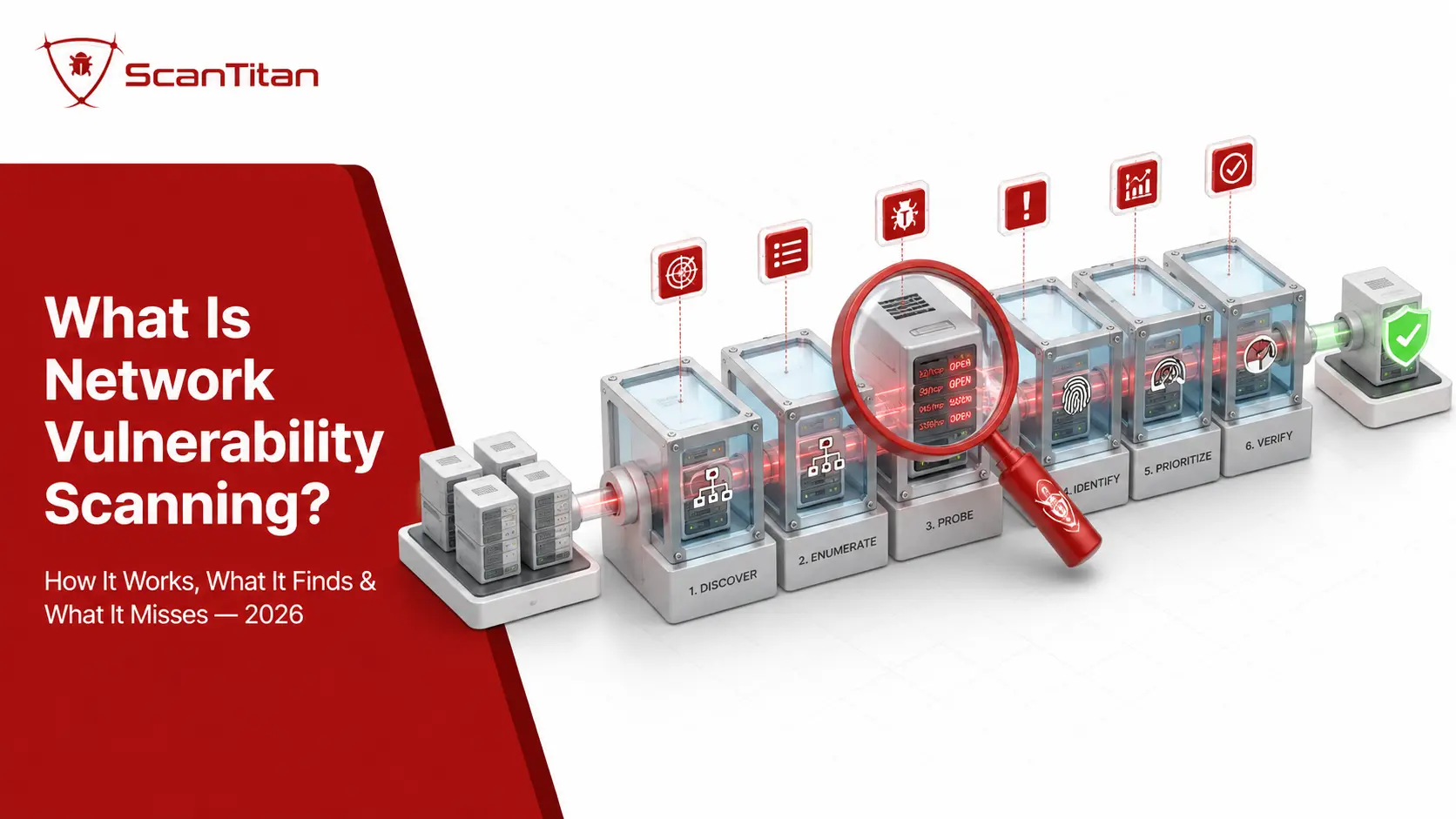
Network vulnerability scanning is the automated process of probing every host on a network, identifying the service behind each open port, and matching what it finds against a database of
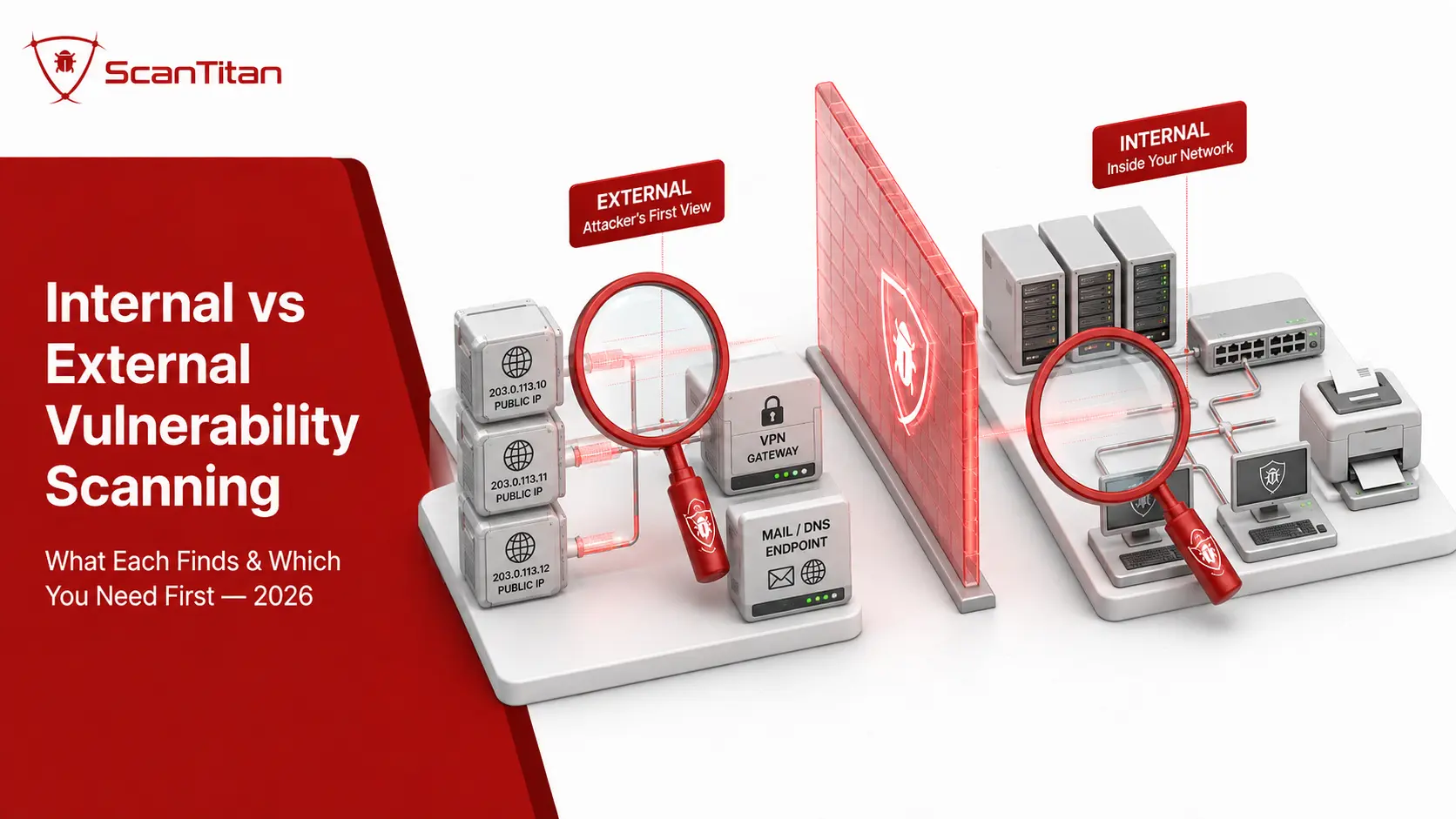
Internal vs external vulnerability scanning is primarily a difference in vantage point. An external scan tests internet-facing systems from outside your network, while an internal scan tests systems reachable from
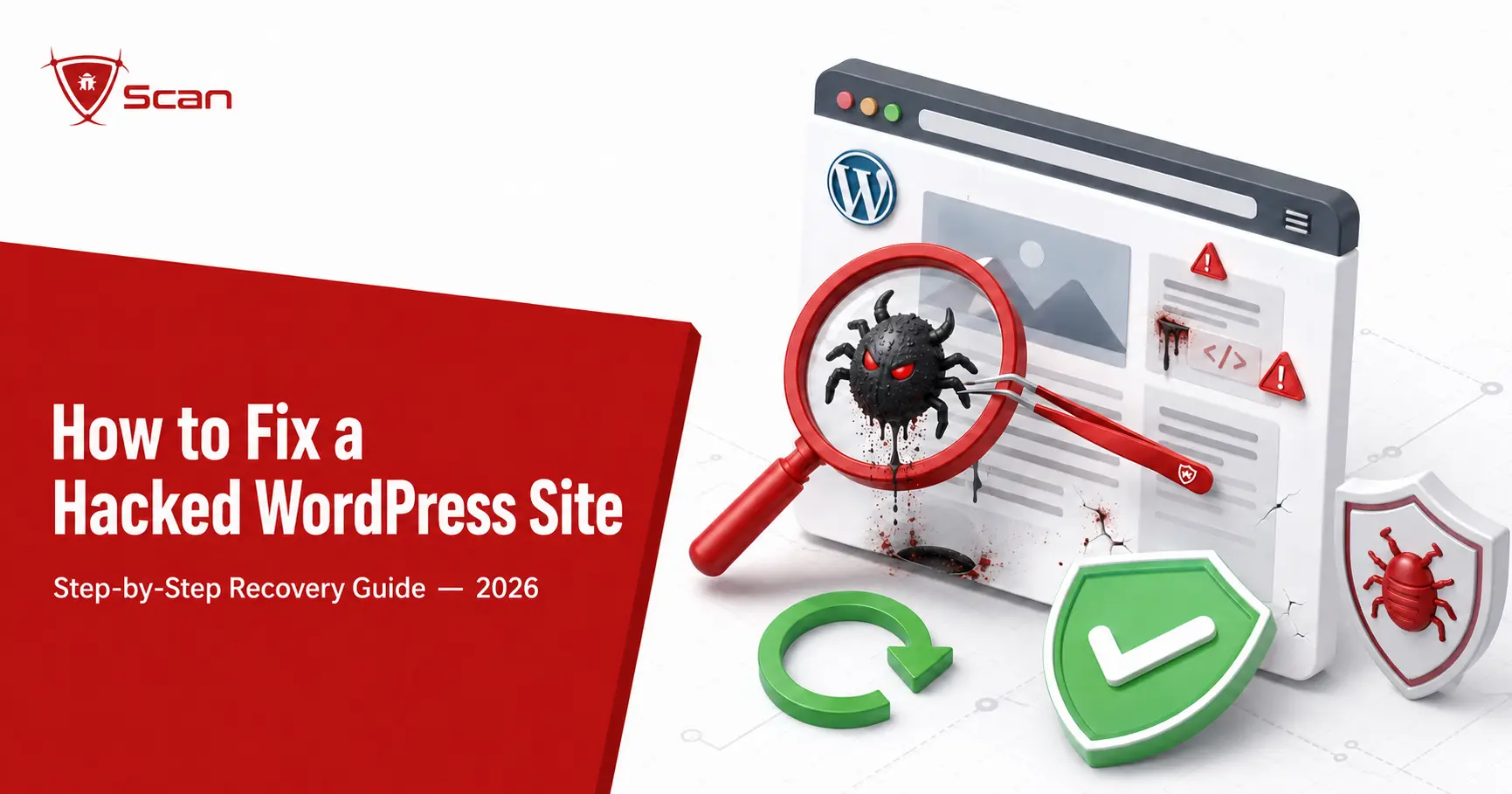
If your WordPress site has been hacked, the fastest way to fix it is to work in order rather than panic: contain the site, find and remove the malware, close
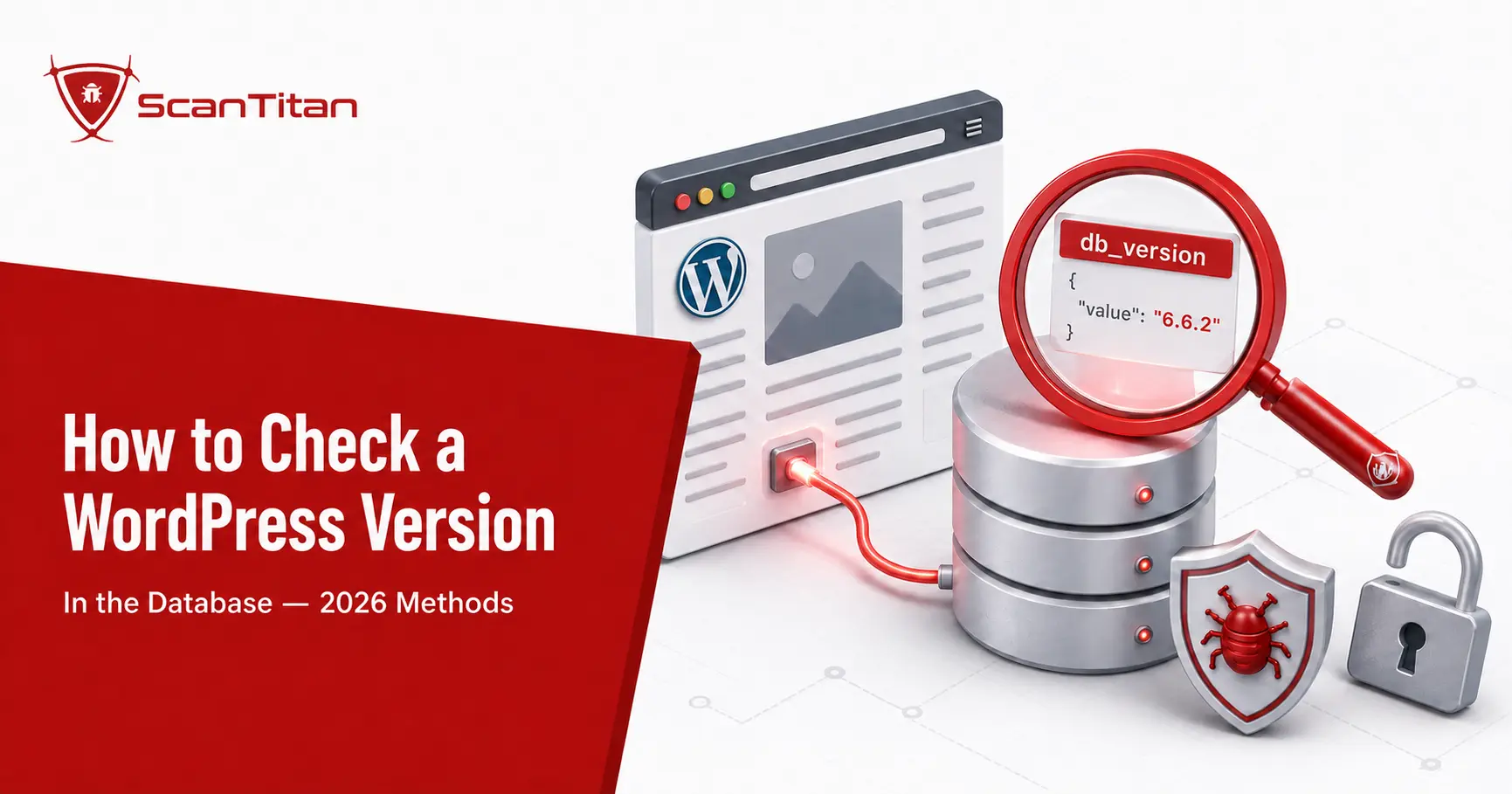
Learning how to check a wordpress version in database is useful when you are locked out of the dashboard, but it comes with a catch most guides get wrong: the
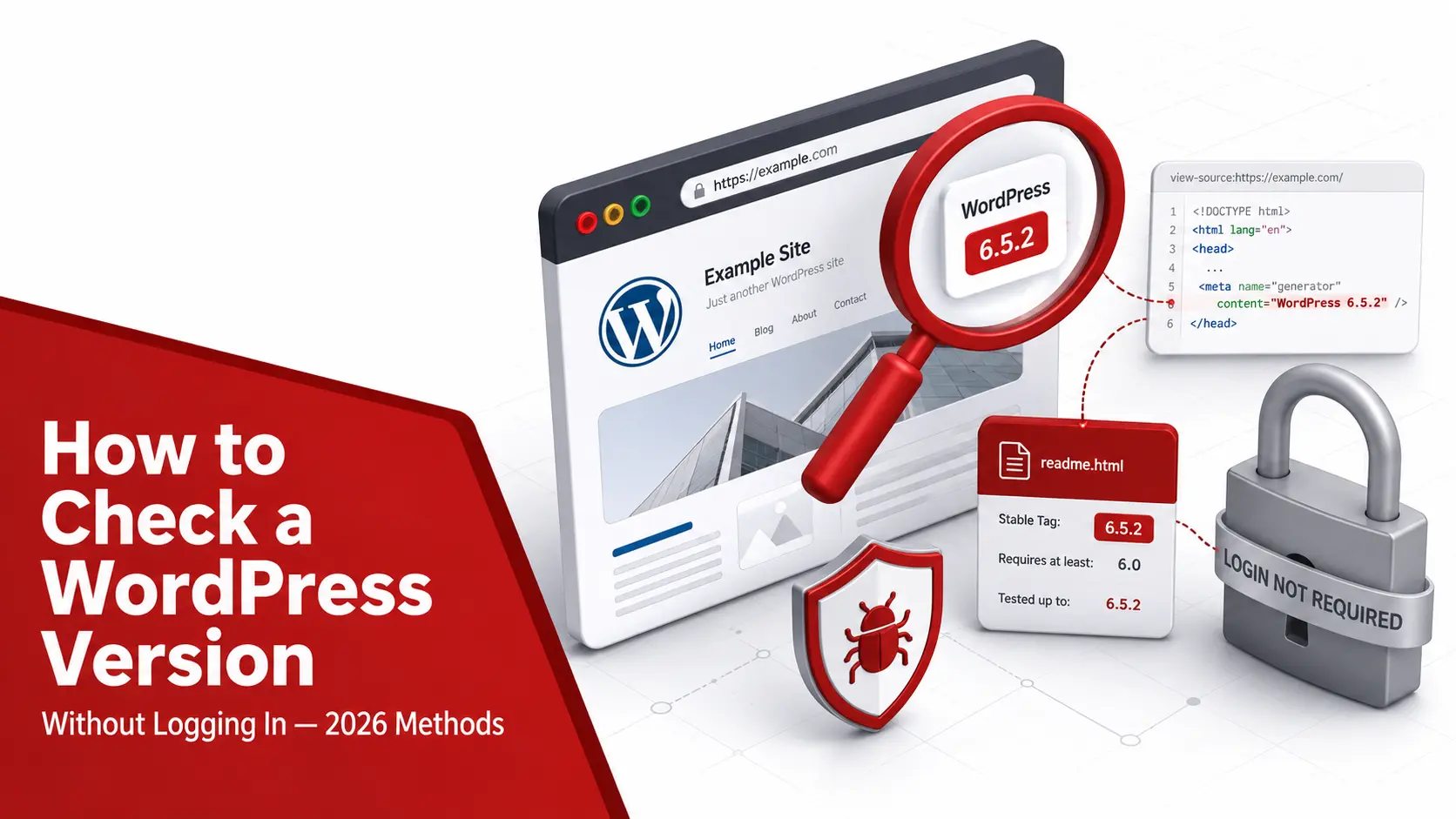
Learning how to check WordPress version without login often takes only a couple of minutes because default or lightly hardened WordPress sites may expose version clues in the page source,
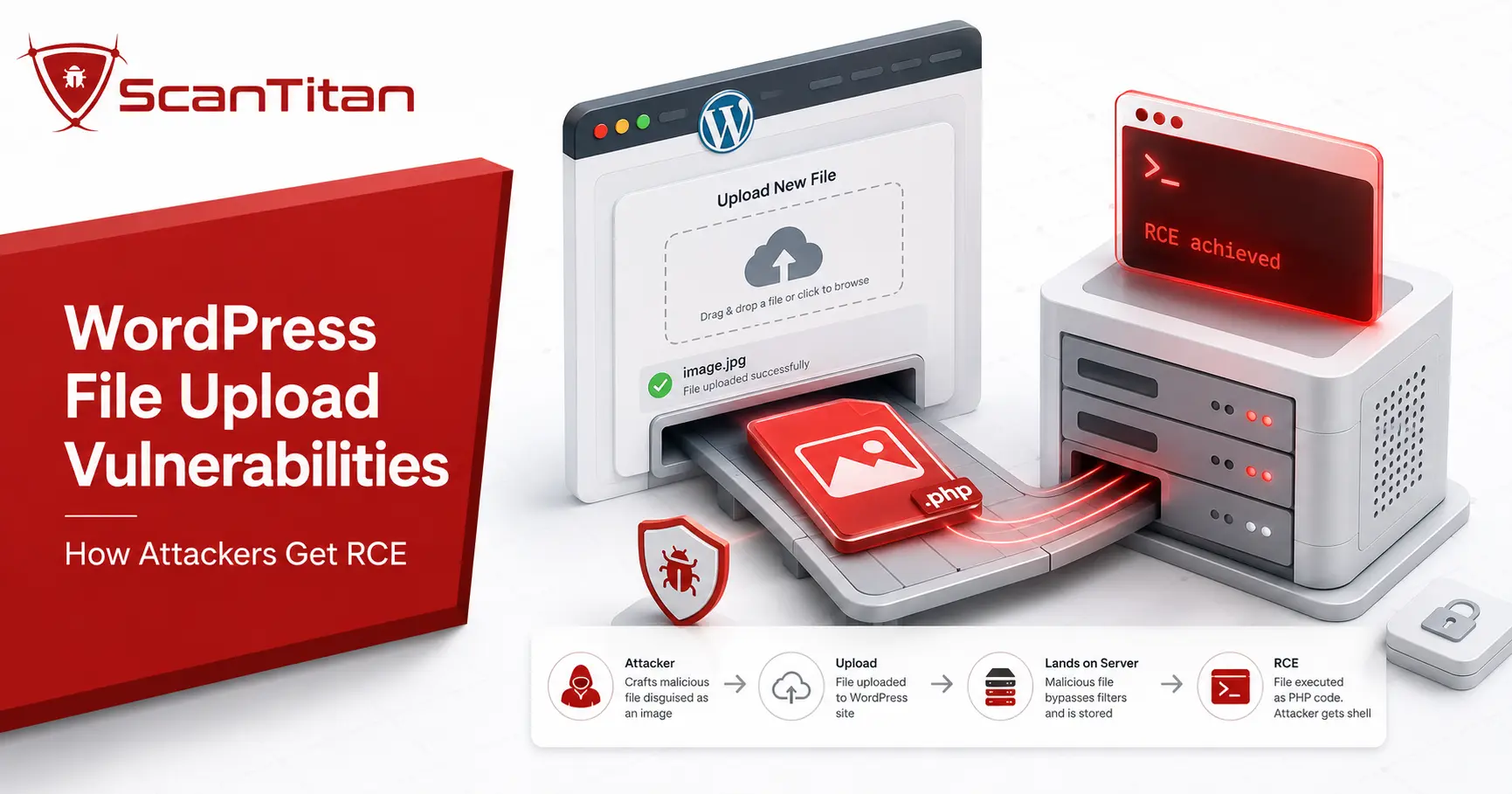
A WordPress file upload vulnerability is one of the most dangerous flaws a site can have, because it can lead straight to remote code execution when an attacker can place
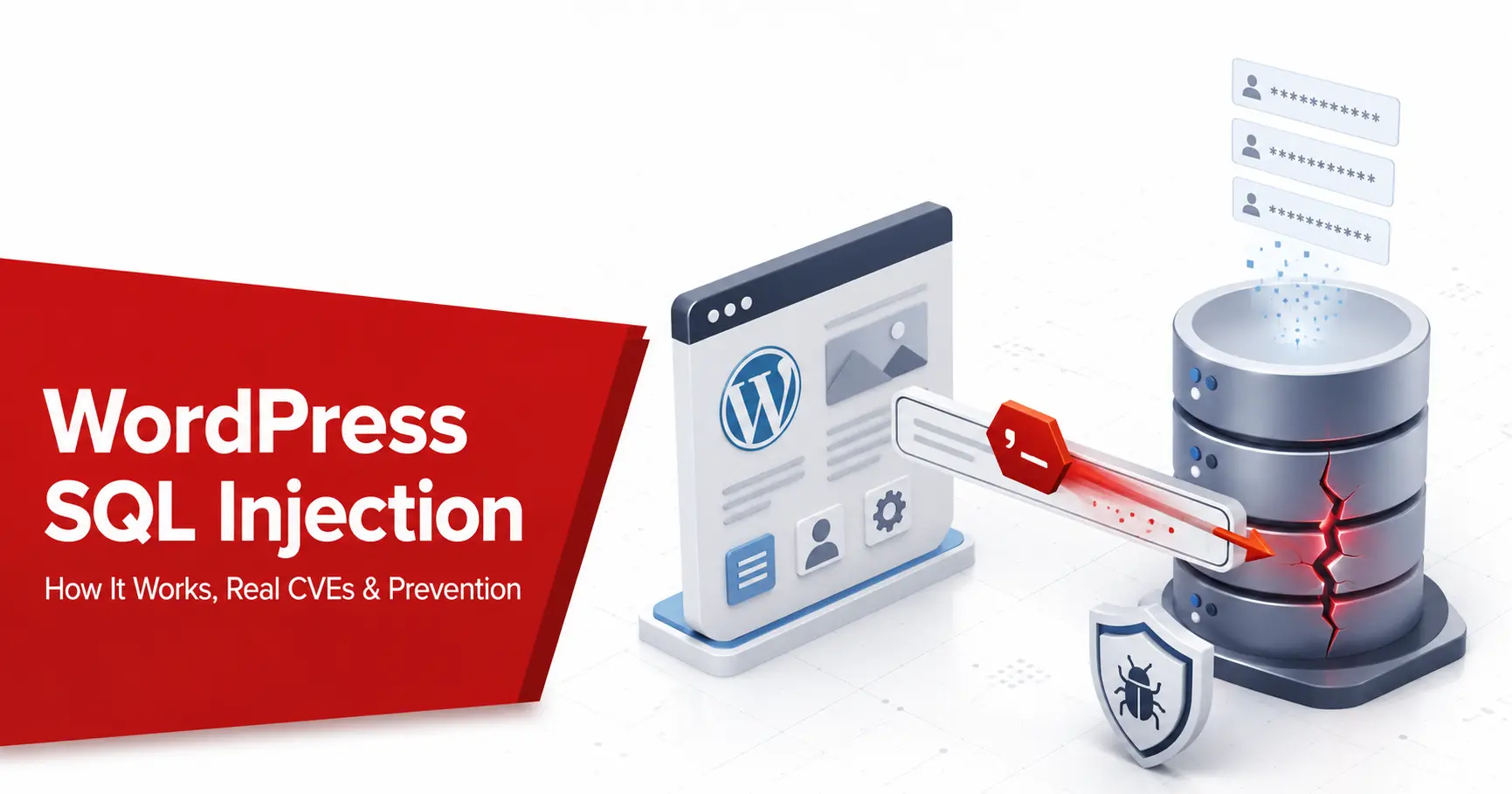
WordPress SQL injection is one of the most damaging ways a WordPress site gets breached, because it reaches the database where everything lives: your users, passwords, settings, and content. The
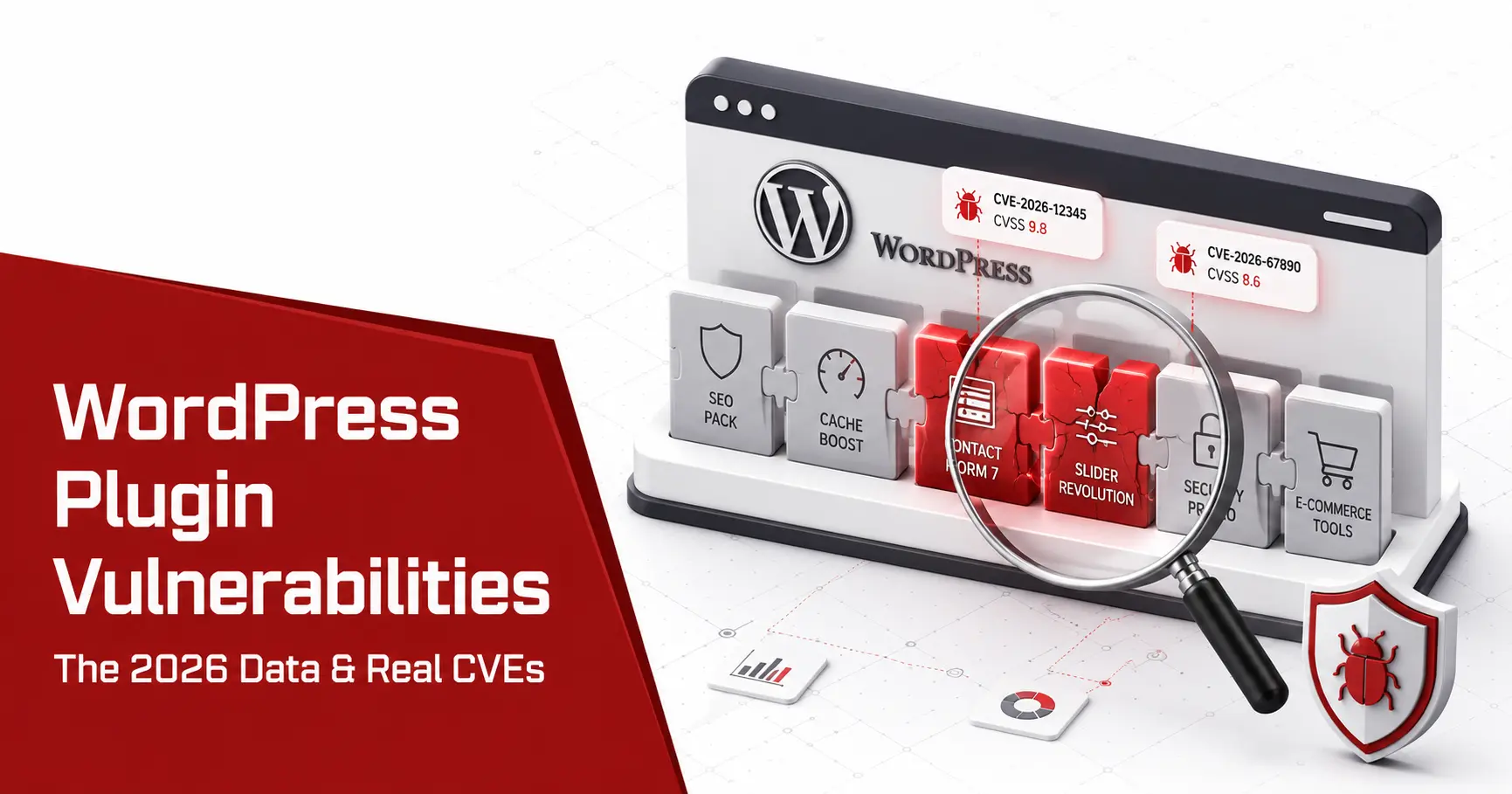
WordPress plugin vulnerabilities are the single biggest reason WordPress sites get hacked, and the problem is growing, not shrinking. Plugins account for more than nine in ten WordPress security flaws,
Learning how to secure Joomla website comes down to a short list of controls applied in the right order, not a hundred obscure tweaks. Patch first, lock down the login,
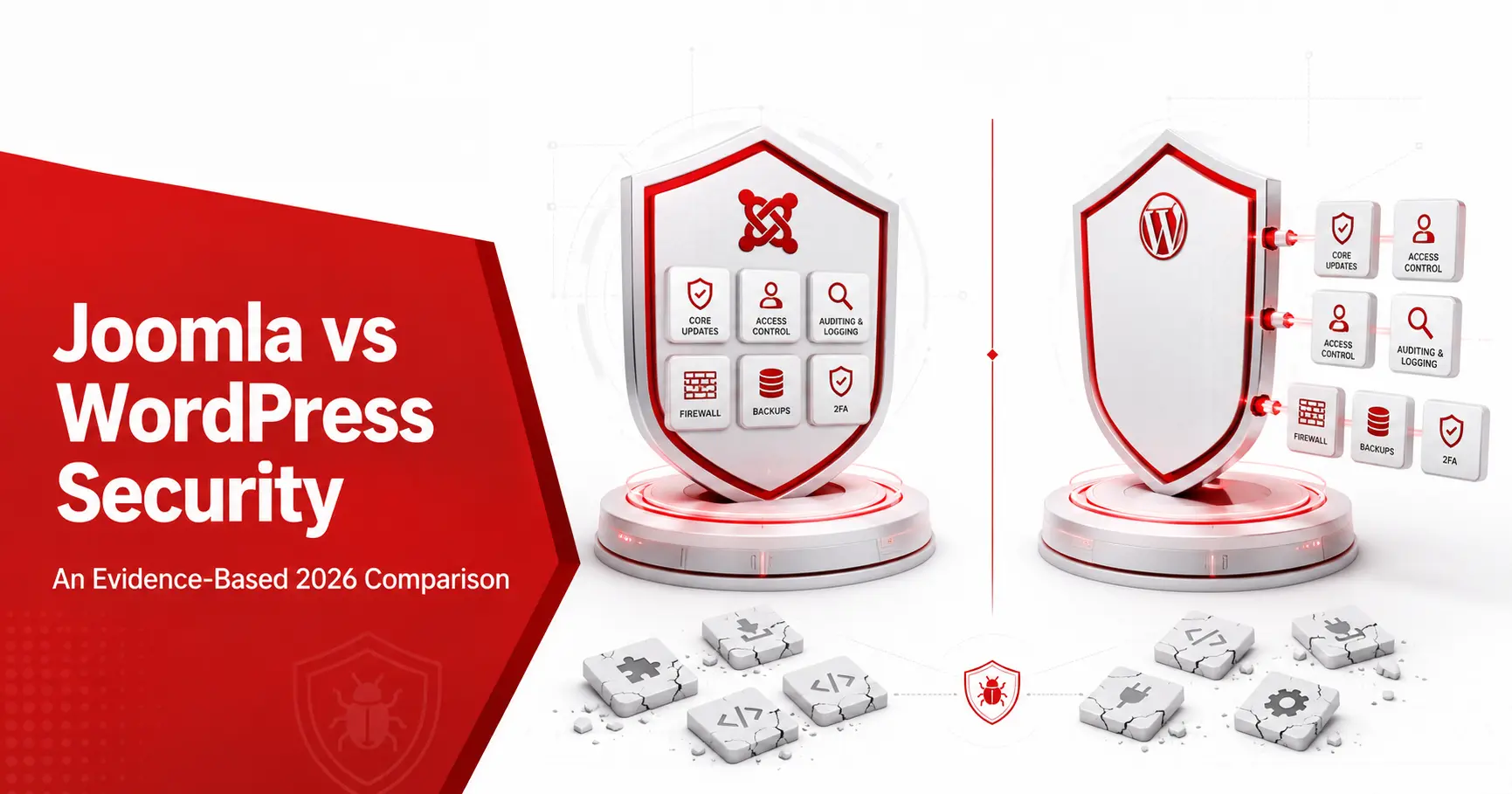
The Joomla vs WordPress security debate usually gets answered with loyalty, not evidence. The honest version is duller and more useful: both platforms ship a secure core, and both get
12+ years in information security. Specialises in web application security, vulnerability management, and external attack surface reduction for SMB and mid-market organisations.
New CVEs, practical guides, and scan methodology updates. One email per week. No sales pitch.
No spam. Unsubscribe any time. GDPR compliant.
Editorial standards: All ScanTitan blog content is reviewed by certified InfoSec professionals before publication. Technical claims are tested against live scan results or cited from primary sources (CVE database, OWASP, NIST NVD). We do not accept sponsored posts or paid placements.
Try a free scan
Run a free vulnerability scan on your domain. No account required.